Surgery can be tough for anyone, but for older people, the time to recover often matters more than the surgery itself. As we get older, our body heals more slowly, our immune system gets weaker, and complications become more likely. That’s why taking care of elderly patients after surgery is not just a normal step, but a very important part of helping them get better and get back to their daily lives.
Many families think that once the surgery is done, the hard part is over. But in reality, the days and weeks after need careful attention, patience, and proper help from professionals. From watching vital signs to giving the right medicines at the right times, every small step helps an older person heal safely. With good follow-up care, an elderly patient can avoid serious problems, regain their ability to move, and feel confident as they recover.
Faster Recovery through Professional Monitoring
One of the biggest benefits of organized after-surgery care is that it allows for regular and timely check-ups. Older adults often find it hard to notice early warning signs because their pain feelings, memory, and awareness can change as they age. Having a nurse, doctor, or trained caregiver regularly check vitals, such as blood pressure, oxygen levels, temperature, heart rate, and blood sugar, helps catch complications before they turn serious.
A slight temperature rise might seem minor, but could signal infection for a senior post-surgery care at home, and a drop in oxygen levels may indicate breathing issues or early pneumonia. Small changes in heart rate can be a sign of dehydration or reactions to medication. Caregivers notice these signs and know when to see a doctor. Checking these signs helps people heal faster.
When vital signs stay steady and problems are found early, there are fewer complications, and recovery is easier. Watching over patients at home can also prevent unnecessary hospital stays, save money, and reduce the chance of catching infections in the hospital.
Pain & Medication Management for Elderly Patients
Pain management is often underestimated, especially for older patients who may downplay discomfort. However, unmanaged pain can slow healing, disturb sleep, limit movement, and increase anxiety. Seniors may also be taking multiple medications already, which makes managing post-surgery drugs more complex.
Proper dosage and scheduling ensure that the medicines work effectively without causing harmful side effects. Because the elderly metabolize drugs differently, they require careful oversight to avoid overdosing or dangerous interactions with existing prescriptions.
Tracking side effects is very important. Caregivers can see symptoms like nausea, dizziness, constipation, swelling, or allergies that seniors might miss. Some medicines need to be taken with food or at specific times, so having a clear plan helps keep everything organized. Proper pain and medication management help the patient stay comfortable, alert, and support recovery.
Preventing Post-Surgery Complications at Home
Recovering at home is comforting, but it also comes with responsibilities. Seniors face a higher risk of complications such as infections, delayed wound healing, breathing problems, and mobility limitations.
- Wound care is one of the most essential parts. Dressings must be changed regularly, and the wound must be kept clean and dry. Any redness, swelling, warmth, or unusual discharge should be reported immediately. A trained professional knows how to identify abnormalities that family members may miss.
- Infection prevention goes beyond wound care. Hand hygiene, clean surroundings, timely bathing, and avoiding exposure to sick individuals are equally important. Elderly patients have weaker immune systems, making them more vulnerable.
- Mobility issues often arise after surgery due to pain, weakness, or fear of falling. Staying in bed for too long can lead to bedsores, blood clots, constipation, and muscle stiffness. A caregiver encourages safe movement, assists with posture changes, and ensures the patient walks at the proper intervals.
- Breathing problems are common after chest or upper abdominal surgeries. Seniors may need breathing exercises, steam inhalation, or incentive spirometry to maintain lung health. These simple steps make a big difference in preventing pneumonia and ensuring proper lung function.
Rehabilitation: Physiotherapy & Mobility Support
Regaining strength and mobility is a significant part of post-operative recovery. Physiotherapy plays a central role here, especially for seniors who are already dealing with age-related muscle weakness. Without guided rehabilitation, they may gradually lose the confidence or ability to walk independently again.
A physiotherapist assists patients with gentle exercises tailored to their surgery, health, and stamina. Additionally, consulting a doctor on call Dubai can provide extra guidance. These exercises help move joints better, ease stiffness, improve blood flow, and aid healing. Techniques such as walking with support, balance exercises, and stretching help prevent falls and make muscles stronger.
Mobility support, whether with walkers, canes, or assistance from a caregiver, provides seniors with the stability they need during the transition phase. Regular physiotherapy sessions also boost mental well-being because seniors can visibly track their progress, feel more in control, and regain independence faster.
Emotional Support & Family Involvement in Healing
Recovery isn’t just about the body; it’s also about feelings. Older people often feel scared, worried, or unsure after surgery. Relying on others suddenly can be hard for someone who has been independent for many years. That’s why emotional support is very important during recovery at home.
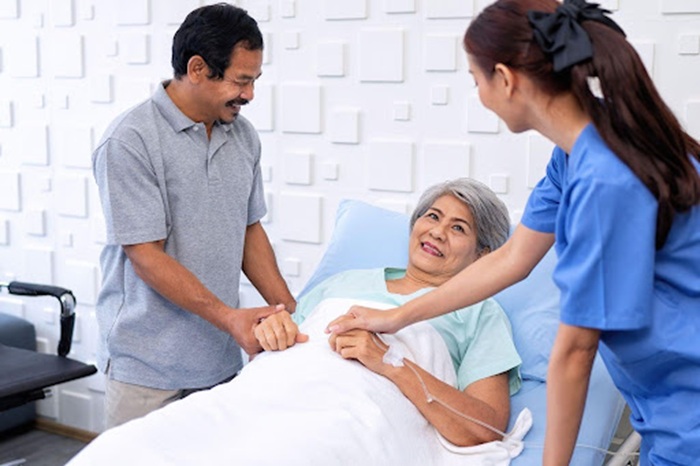
A supportive caregiver provides reassurance, companionship, and patience—all of which help reduce stress and speed up healing. Even simple acts like helping with meals, encouraging small walks, or maintaining a calm routine make seniors feel secure.
Family involvement matters just as much. A familiar voice, regular conversations, or a shared meal can uplift their mood instantly. When seniors feel cared for and valued, they cooperate better with their healing plan and stay motivated to recover. Emotional stability often leads to better appetite, improved sleep, and a more positive outlook.
Conclusion
Post-operative care for senior citizens is of paramount importance. It encompasses medical examinations, physiotherapeutic interventions, psychological support, and daily assistance. These measures collaborate to facilitate a safe and confident recovery process for elderly individuals. Through consistent monitoring, adherence to prescribed medication, prevention of complications, physiotherapy, and familial support, seniors can achieve more rapid healing and a return to their routine activities.
Allocating time and attention during this phase not only promotes recovery but also preserves dignity, provides comfort, and offers peace of mind to both the elder and their family members.