
The commercial real estate market in the US is set for steady growth, driven by urbanization and evolving workplace trends. A Yahoo article cites some impressive numbers, stating that its value will reach a whopping $95.86 billion by 2032. Competition is likely to be stiff in this niche in the years ahead.
If you want your property to stand apart, you need to ensure it is better than competing real estate. Whether you have to search for commercial roof repair near me or look for design professionals, landscapers, or electricians, you should not skimp on upkeep and improvement.
Increasing the rental potential of a commercial property comes down to just one core idea: make the space more attractive, more efficient, and more profitable for the right tenants in your market. You can achieve this goal by combining smart upgrades, proactive maintenance, and targeted positioning.
Once you have an attractive place, you can justify higher rents, reduce vacancy, and boost long‑term ROI. Here are a few proven tips to maximize the rental potential of your commercial property.
Invest in Aesthetic Enhancements
First impressions heavily influence whether a business wants to lease your space and how much it is willing to pay. Simple upgrades like fresh exterior paint, modern signage, landscaping, and better lighting can improve curb appeal and perceived value. Inside, focus on clean, contemporary finishes with quality flooring and neutral wall colors.
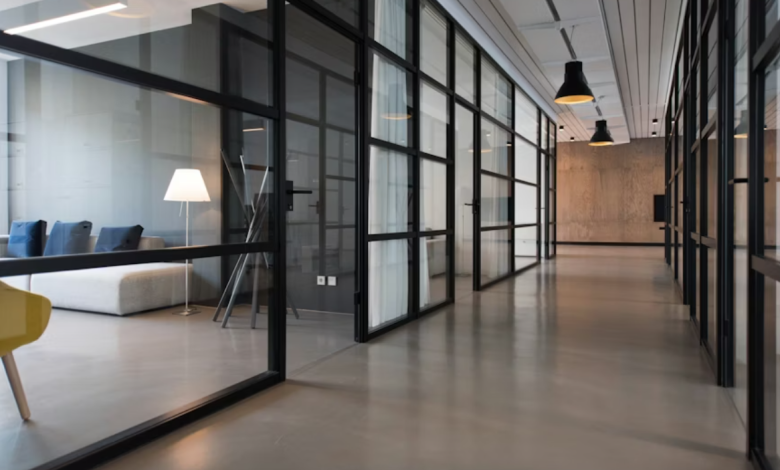
Add updated restrooms and well‑designed reception or common areas to make the premises feel professional and move‑in ready. Consider flexible, modern layouts instead of dated, highly segmented spaces. Open plan areas, glass partitions, and modular fittings help tenants customize the premises without major construction.
These upgrades increase the number of businesses that can see themselves operating in your commercial space. Adding shared amenities like a meeting room, lounge, or business‑center style space that can be rented by the hour is a good idea. Besides enhancing appeal, it creates additional income streams.
Stay on Top of Maintenance
According to a McKinsey article, the average lease period for office spaces in the US is ten years. For retail spaces, it is around five to seven years. A renter who expects to run a business from a commercial space wants it to be in top shape, with minimal maintenance issues. No one wants to bear the expense or hassle of unwanted maintenance and repairs after moving in.
Well‑maintained buildings attract better tenants and reduce disputes at renewal time. Regular inspections of roofs are a must, notes Integrity Pro Roofing. The smallest issues should not be overlooked, as they can lead to damage and lower the rental potential of commercial spaces. Facades, plumbing, fire systems, elevators, and HVAC systems should also be checked.
Inspections help you identify issues early and prevent breakdowns that disrupt tenant operations. Keeping visible elements in good condition also signals professional management and justifies stronger asking rents. Additionally, planned, preventative maintenance also protects your long‑term asset value.
Enhance Tenant Appeal
IBISWorld shares some alarming statistics related to office vacancy rates in the US. Even after the pandemic is long gone, office rental vacancy rates climbed to 20.7% in 2025. This reflects a consistent increase in unoccupied commercial rental real estate across American markets. To increase rent and reduce vacancy, think like your ideal tenant.
Many commercial tenants prioritize convenient parking, visible frontage, good signage rights, and easy access to public transport. These factors affect their customer and staff experience. High‑speed connectivity, secure entry systems, CCTV, and after‑hours access are also non‑negotiable for office and flexible workspace users.
Extra amenities such as shared kitchens, outdoor breakout areas, on‑site cafés, gyms, or concierge‑style services are impressive add-ons. They can help differentiate your building, attract premium tenants, and support higher rents.
Prioritize Energy Efficiency
Energy efficiency is now a core driver of both demand and rental rates in commercial real estate, not just a “nice‑to‑have.” Energy Star highlights the business case of energy-efficient spaces. Energy management can boost an organization’s value, lower risk, and offer additional business benefits like cost savings.
Making your commercial space attractive is about upgrades such as LED lighting, smart controls, high‑efficiency HVAC systems, insulation improvements, and energy‑efficient windows. These can cut tenants’ utility bills and operating costs. With these savings flowing directly to tenants’ bottom lines, they are willing to pay higher base rent for buildings.
Efficient buildings also tend to have higher occupancy and asset values. In many markets, owners can also access tax benefits, rebates, or other incentives for energy‑efficient retrofits. This improves the payback period and overall ROI of these upgrades.
FAQs
Which commercial property is most profitable?
Profitability varies by market, but broad benchmarks show that industrial and warehouse properties often achieve some of the strongest risk‑adjusted returns. Well‑located office buildings and retail centers can also be highly profitable. Ultimately, the most profitable asset depends on local demand, purchase price, lease terms, and property appeal.
Is it worth investing in commercial property?
Commercial property can be worth investing in because it offers the potential for higher yields than many residential properties. There are longer lease terms, and tenants who often cover a greater share of operating costs. However, there are specific risks, including more sensitivity to economic cycles, potentially longer vacancy periods, and higher entry costs.
What is a good ROI on commercial property?
Around 6% to 12% range is considered good ROI on commercial property, depending on asset type, location, and risk level. Safer, prime assets in top locations usually sit toward the lower end of that range, trading yield for stability. Secondary or value‑add properties might offer higher ROI but come with more leasing, capex, or market risk.
As vacancy rates climb and commercial real estate markets become competitive, owners need to do more to stay afloat. These smart and strategic measures can help you make your property more attractive to business tenants. You will be able to demand optimal rent and retain your tenants for the long haul.