

Hearing challenges seldom come all at once. Instead, they construct silently with missed words, repeated questions, and conversations that become increasingly exhausting.
You may find that you are avoiding group discussion, cranking the volume up more than before, or feeling drained mentally from social hybridity. Over time, these small frustrations can impact confidence, relationships, and daily comfort.
At the same time, these problems can seem overwhelming when trying to find the right solution. Technology changes rapidly, options are seemingly endless, and not everyone wants the same things in their lifestyle. That is why understanding how modern hearing aid technology works and how local hearing care supports it matters more than ever.
This article examines how today’s hearing solutions blend both high-tech and individualized care to enable you to hear more clearly and live more comfortably.
Evolution Of Hearing Aid Technology
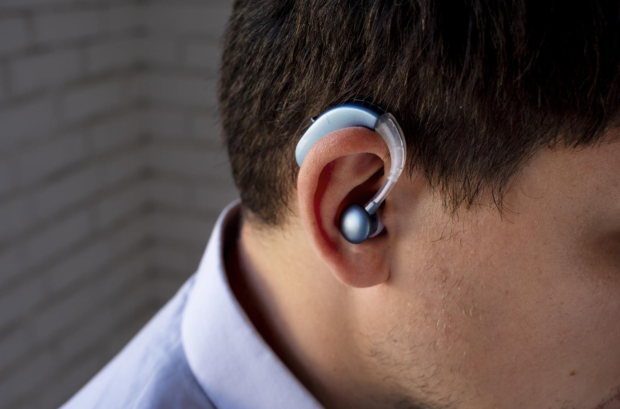
In the past, hearing aids were bulky devices that were not very adaptable. Today, they have been altered by technology to become compact smart devices intended to collaborate with your surroundings instead of against them.
Across different regions, access to modern hearing solutions has improved significantly. In markets such as Malaysia, advancements in technology and professional care have made hearing aids Malaysia solutions more accessible, effective, and easier to incorporate into daily life for people experiencing hearing loss at different stages.
Modern devices are concerned with clarity instead of just amplification. Instead of exaggerating all sounds, they examine sound patterns and highlight speech and minimize irrelevant background sound. As a result, conversations are more natural, and listening takes less effort throughout the day.
Additionally, hearing aids of today automatically adjust to changes in the environment. When you transition from a quiet home environment to a busy public space, the device adjusts itself in real time. This seamless transition makes it easy to stay engaged without having to constantly change settings, resulting in more comfortable, reliable everyday listening.
Smarter Sound Processing for Everyday Environments
One of the most obvious changes in current hearing aid use is in the area of intelligent sound processing. Instead of amplifying all sounds equally, the modern devices analyze what you’re listening to and prioritize speech.
For instance, when to switch from a silent room to a crowded cafe, the device automatically changes the settings. Background noise is faded while voices remain clear. Consequently, the conversations are easier to follow without the need to make constant manual adjustments.
Additionally, directional microphones help to focus on sounds in front of you. This can be a useful feature, particularly during meetings or social events, when there may be several conversations simultaneously. Because the device is always working in the background, you can focus on listening instead of managing settings.
Comfort, Discretion, and Wearability Improvements
Comfort plays a major role in how consistently hearing aids are used. Fortunately, modern designs place an emphasis on wearability without limiting the performance. Devices now are lighter, smaller, and shaped to comfortably fit in or behind the ear.
Equally important, materials have improved to reduce irritation during long wear. This gives you the ability to use the device throughout the day without discomfort. As a result, regular use results in improved hearing outcomes as well as faster adaptation.
Discretion is also important to many users. Today’s hearing aids blend in perfectly with the natural appearance of people’s ear shapes and skin tones. For this reason, they are less noticeable and more confidence-friendly, especially in a professional or social setting.
Connectivity and Lifestyle Integration
Hearing aids are no longer devices that operate individually. Instead, they can blend in with modern lifestyles with wireless connectivity. Many models now connect directly to smartphones, televisions, and various other audio devices.
This connectivity allows phone calls, music, and media to be streamed directly to your hearing aids. As a result, there is improved sound quality and less external noise. You are also able to adjust settings discreetly via mobile apps and give yourself more control without drawing attention to yourself.
Furthermore, software updates help maintain the current state of devices as technology develops. This means that your hearing solution continues to work better even after purchase, adding long-term value and convenience.
Role of Local Hearing Care in Better Outcomes
Technology alone is not sufficient to provide meaningful results. Local hearing care plays a critical role in ensuring the right fitting, adjustments, and support of devices. A professional assessment helps to identify your specific hearing needs instead of using a generalized solution.
During the evaluations, various factors are considered, such as hearing patterns, daily routines, and listening environments. This individual approach is to make sure the technology fits the way you live. Moreover, proper fitting eliminates any discomfort, which improves sound clarity from the very beginning.
Ongoing support is equally important. Follow-up sessions enable fine-tuning as your hearing adapts. Over time, these adjustments help you reach consistent comfort and performance in real-world situations.
Long-Term Hearing Health and Continuous Support
Modern hearing care focuses not only on immediate improvement but also on long-term hearing health. Regular check-ups help track changes and adjust settings accordingly. This proactive approach prevents small issues from becoming larger problems.
In addition, professional guidance helps you understand how to care for your devices properly. Cleaning routines, maintenance tips, and usage advice all contribute to better performance and longer device lifespan.
Most importantly, continued support builds confidence. Knowing that expert help is available encourages consistent use, which leads to better hearing clarity, stronger communication, and improved overall well-being.
Conclusion
Modern hearing aid technology has transformed how hearing challenges are managed. With smarter sound processing, improved comfort, seamless connectivity, and personalized local care, today’s solutions offer more than amplification—they offer clarity and confidence.
When technology and professional support work together, hearing becomes less of a struggle and more of a natural part of everyday life.