Foundation design plays a critical role in the success of any construction project, particularly when ground conditions are complex or variable. In many residential, commercial and infrastructure developments, continuous flight auger piling has become a preferred solution due to its efficiency, strength and adaptability. This is why project teams often choose to explore CFA pile installation expertise at Elite Piling when planning reliable foundation systems. CFA piling offers a balance of structural performance and controlled installation that suits a wide range of Sydney construction environments.
Understanding how CFA piling works, where it is best applied and why experienced installation matters helps ensure foundations are designed and delivered with confidence.
What CFA Piling Is and How It Works
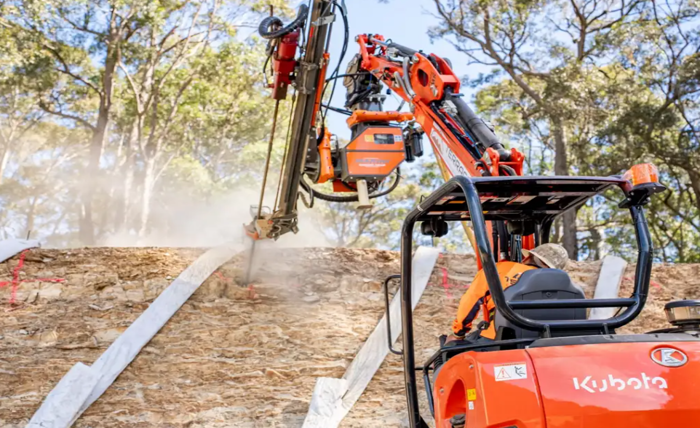
CFA piling, also known as continuous flight auger piling, is a bored piling method where a hollow auger is drilled into the ground to the required depth. Once the target depth is reached, concrete is pumped through the hollow stem as the auger is slowly withdrawn. This process forms a continuous column of concrete within the ground.
Steel reinforcement is then inserted into the wet concrete to provide structural strength. The result is a cast-in-place pile that transfers building loads safely into deeper, more stable soil layers. Because the bore is supported by the auger and concrete throughout installation, CFA piling reduces the risk of bore collapse in unstable soils.
Why CFA Piling Is Widely Used
CFA piling is widely used because it offers several practical advantages over other foundation methods. One of the key benefits is its ability to be installed with minimal vibration and noise compared to driven piles. This makes it suitable for urban and residential areas where surrounding structures and neighbours must be protected.
The method also allows for faster installation than some traditional bored pile techniques. Because drilling and concreting occur in a continuous process, construction timelines can be reduced without compromising structural integrity. This efficiency supports project schedules and helps manage costs.
Suitability for Different Ground Conditions
Sydney’s geology includes a mix of clay, sand, silt and weathered rock, often within the same site. CFA piling performs well in many of these conditions, particularly where soils are soft, loose or variable with depth.
Because the auger supports the bore during drilling, CFA piles are effective in soils that may otherwise collapse when unsupported. This makes them a reliable choice for sites with groundwater presence or layered soil profiles. However, successful performance depends on accurate geotechnical assessment and correct pile design.
The Importance of Accurate Site Investigation
Before CFA piling begins, detailed site investigation is essential. Geotechnical reports provide information about soil strength, groundwater levels and load-bearing capacity. This data informs pile diameter, depth and reinforcement requirements.
Accurate investigation reduces uncertainty and ensures the selected piling solution is appropriate for site conditions. It also helps avoid over-engineering or under-designing foundations, both of which can lead to increased costs or long-term performance issues.
Load Transfer and Structural Performance
CFA piles transfer structural loads through a combination of end bearing and skin friction along the length of the pile. The concrete column interacts with surrounding soil, allowing loads to be distributed efficiently.
This load transfer mechanism makes CFA piles suitable for supporting buildings with moderate to heavy loads. When designed correctly, they provide consistent performance and long-term stability. Structural engineers rely on precise installation to ensure piles achieve their intended load capacity.
Installation Precision and Quality Control
The quality of a CFA pile depends heavily on installation technique. Key factors include drilling speed, concrete pressure, withdrawal rate of the auger and timing of reinforcement placement. Poor control during any of these stages can compromise pile integrity.
Experienced piling contractors monitor these parameters closely during installation. Real-time data tracking allows adjustments to be made as conditions change, ensuring piles are formed consistently and to specification. Quality control during installation is essential for achieving reliable outcomes.
Minimising Disruption on Construction Sites
One of the advantages of CFA piling is its ability to minimise disruption on site. Reduced vibration helps protect adjacent structures and underground services. Lower noise levels make it suitable for projects in residential areas, schools and inner-city locations.
CFA rigs also tend to have a smaller footprint than some piling equipment, improving access on constrained sites. This flexibility allows piling to proceed efficiently even in tight urban environments.
Integration With Other Foundation Systems
CFA piling can be used as a standalone foundation solution or integrated with other ground engineering systems. In some projects, CFA piles work alongside retaining walls, ground anchors or other piling types to address varying site conditions.
This adaptability allows engineers to design foundation systems that respond precisely to structural and environmental demands. Coordinated planning ensures all elements work together to provide stability and performance.
Safety Considerations During CFA Piling
As with all foundation work, safety is a critical consideration. CFA piling involves heavy machinery, pressurised concrete delivery and deep ground penetration. Professional contractors implement strict safety procedures to protect workers and surrounding property.
This includes equipment maintenance, operator training, exclusion zones and continuous monitoring during operations. Adherence to safety standards supports efficient progress while reducing the risk of incidents or delays.
Supporting Project Timelines and Budget Control
Foundation works set the pace for subsequent construction activities. Delays at this stage can impact the entire project timeline. CFA piling’s efficiency supports predictable scheduling, allowing follow-on trades to proceed without unnecessary interruption.
Clear planning, accurate cost estimation and professional execution help control budgets and reduce variations. When piling is completed correctly the first time, it prevents costly remedial works later in the build.
Long-Term Durability and Asset Protection
CFA piles are designed to perform over the full lifespan of a structure. Properly installed piles resist settlement, movement and degradation, protecting the building above from structural stress.
Long-term durability depends on correct concrete quality, reinforcement placement and installation control. Professional expertise ensures these factors are addressed from the outset, safeguarding the value of the asset.
Choosing the Right CFA Piling Contractor
Selecting a contractor with proven CFA piling experience is essential. Technical knowledge, modern equipment and familiarity with local ground conditions all contribute to successful outcomes. A reliable contractor will engage early with engineers and builders to align piling design with project requirements. Transparent communication and documented quality processes further support confidence in foundation performance.
Conclusion
CFA piling is a versatile and efficient foundation solution suited to a wide range of construction projects. By choosing to explore CFA pile installation expertise at Elite Piling, project teams gain access to professional knowledge, precise installation and ground engineering insight that supports structural performance and long-term stability. From site investigation through to quality-controlled installation, expert CFA piling helps ensure foundations are delivered safely, efficiently and with confidence.
In modern construction, where timelines, budgets and site constraints are closely managed, CFA piling continues to play a vital role in building dependable structures from the ground up.