Struggling to build a strong Pilates foundation? Floor-based training is the backbone of mastering core strength, breath control, and movement basics. This blog will show you why starting with mat Pilates sets you up for success in teaching or personal practice.
Keep reading; the essentials might surprise you!
Core Principle Immersion in Floor-Based Pilates
Floor-based Pilates teaches control and awareness using simple, grounded movements. It builds a strong connection between breath, muscles, and flow.
Building core strength and stability
Core strength starts with the abdominis muscles, including the transversus abdominis and rectus abdominis. Mat Pilates uses body weight to target these deep muscles. Exercises like “the hundred” strengthen the lower abdomen and promote better posture.
Strong core stability improves balance, protects the back, and reduces pain in areas like the lumbar spine. Regular practice also helps engage stabilizing muscles such as the gluteus maximus and internal obliques.
This foundation is crucial for advanced forms like reformer Pilates or barre workouts.
Mastering breath control and flow
Breath is the engine of Pilates. Controlled breathing steadies focus, powers movements, and boosts flow in mat Pilates exercises. Exhaling during exertion engages the core muscles more deeply.
For example, breathing out fully during “The Hundred” fires up the transversus abdominis muscle and strengthens abdominal control.
Proper breath work also helps clients move with intention rather than rushing through motions. It guides balance between effort and relaxation by syncing respiration with movement patterns like spinal flexion and extension.
Pilate instructors teach this skill to ensure safe modifications for clients with low-back pain or chronic issues like lumbar lordosis while improving physical fitness overall.
Understanding Fundamental Movement Mechanics
Good movement starts with understanding how your body works. Floor-based Pilates teaches you to notice alignment, control, and balance like never before.
Insights into body alignment and movement patterns
Body alignment is the backbone of Pilates practice. Mat Pilates sharpens a teacher’s eye to spot imbalances in posture and movement. This awareness helps prevent injuries like low back pain or strain on the shoulder girdle.
By focusing on alignment, instructors guide clients toward safer, more effective exercises.
Movement patterns reveal how muscles work together during activity. For instance, observing core musculature engagement or pelvis positioning ensures proper form in abdominal exercises like “The Hundred.” A deep understanding of these basics allows teachers to adapt for all levels of fitness.
Perfecting this paves the way for exploring diverse client needs next.
Adaptation for diverse client needs
A deep understanding of movement helps instructors adapt Pilates exercises for all sorts of bodies. Some clients have tight backs, some deal with long legs or injuries like scoliosis.
Prenatal and osteoporosis conditions also need special planning. Mat Pilates training helps teachers work with both beginners and advanced students, using clear verbal cues to guide safely.
Pilates educators train instructors to modify workouts without risking harm. For example, they learn when a student might need medical advice before continuing their practice. On the final day of instructor courses, trainers focus on serving people from special populations.
This builds confidence in handling diverse needs while keeping sessions effective and safe.
Accessibility and Versatility for Instructors
Floor-based Pilates teaches adaptability, helping instructors think outside the box. It proves you don’t need fancy gadgets to guide clients toward strength and confidence.
Teaching without reliance on equipment
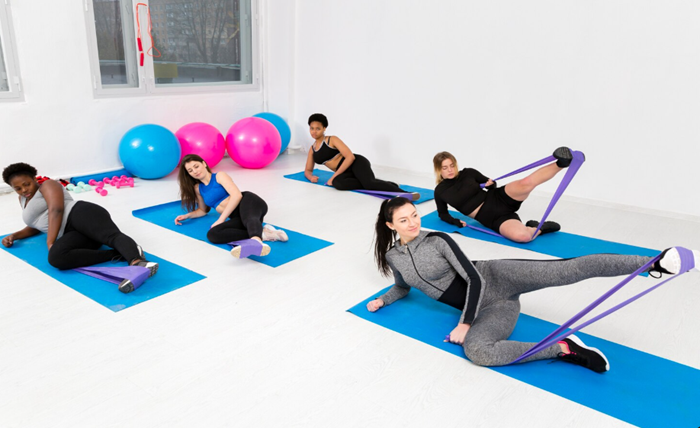
Mat Pilates relies only on body weight and a simple mat. It skips machines like the reformer, making it accessible anywhere. Instructors can teach in small spaces, at parks, or even during home sessions.
This flexibility allows them to reach more clients who might not have access to traditional equipment.
Teaching without big machines pushes instructors to focus on key skills. They learn how to guide clients using clear cues and hands-on adjustments instead of relying on apparatus support.
This builds confidence in both teachers and students while staying true to Joseph Pilates’ vision of movement with minimal props or tools.
Applying mat principles across all Pilates apparatus
Core principles from mat Pilates flow into every apparatus, like reformer and barre. Mastering body alignment and controlled breathing on the mat builds a teacher’s foundation. This helps instructors guide movements with precision on equipment.
The Hundred, a key mat exercise, translates seamlessly to the reformer for core strengthening.
Mat training offers structure for teaching across tools like bands or circles. It gives instructors clear cues, ensuring clients stay safe during strength training. Strong abdominal control learned in floor work aids exercises on unstable surfaces like barrels or chairs.
These shared techniques create smoother transitions between apparatuses while sticking to Joseph Pilates’ original method.
Enhancing Safety and Effectiveness in Teaching
Teaching on the mat helps instructors fine-tune movement without distractions. It sharpens skills to modify exercises for every body type and need.
Preventing over-reliance on machines
Relying too much on equipment can make instructors less adaptable. Floor-based Mat Pilates pushes teachers to focus on core strength, breath control, and movement precision without machines.
Many aspiring instructors find that obtaining a mat pilates certification helps deepen their understanding of the method and its principles.
This builds a deeper understanding of the pilates exercises’ purpose.
Practicing floor-based pilates can significantly enhance your understanding of body mechanics and alignment.
Learning mat principles equips teachers with skills that work in any setting, whether there’s fancy apparatus or just an open space. It keeps teaching effective while encouraging creativity in modifications for different clients.
Creating precise modifications for clients
Tailoring Pilates exercises for each client is a key skill. Instructors must observe, adapt, and guide clients safely while boosting their progress.
- Focus on body alignment first. For example, check the rib cage and pelvis positioning during exercises like the hundred or sit-ups to avoid strain.
- Adapt movements for unique needs. Clients with scoliosis may require asymmetrical adjustments to balance both sides of the spine effectively.
- Watch out for chronic low back pain cases. Use gentle core strength work like engaging the lumbar multifidus muscle to build stability without overloading muscles.
- Simplify for prenatal clients to protect their lower back and hips. Side-lying positions or modified shoulder flexion are safer options during pregnancy.
- Address conditions like osteoporosis carefully. Avoid flexed spine poses to reduce risks in those with fragile vertebrae, focusing on extension-based movements instead.
- Cue breathing techniques clearly. Emphasize controlled expiration using expiratory muscles like the diaphragm for enhanced core activation during physical exercise.
- Observe flexibility limits in lower limbs and adjust stretches accordingly; long-legged individuals may benefit from wider hip angles in classical Pilates or mat Pilates routines.
- Modify upper-body exercises if there’s shoulder weakness, such as using smaller ranges of motion during tasks like elbow lifts or planks.
- Provide alternatives based on age or mobility levels by simplifying transitions between movements; this prevents stress on joints in hips and knees.
- Customize motor control challenges for those in rehabilitation programs, especially cardiac patients needing gradual progressions in their physical training sessions.
Conclusion
Floor-based Pilates lays the groundwork for every other method. It strengthens teaching skills, sharpens observation, and builds confidence. With just a mat, anyone can learn core principles that shape better movement and deeper understanding.
Mat training keeps things simple yet effective while opening doors to growth as an instructor. For both students and teachers, it’s where strong practices truly begin.