
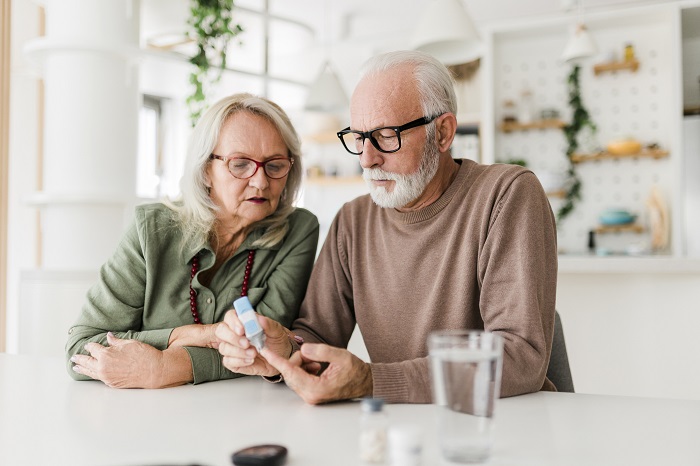
Oral diabetes pills can feel like a simple, manageable solution for seniors who want steadier blood sugar without adding extra steps to daily life. In retirement communities, many seniors take these medications as part of a routine that also includes regular meals, light activity, and periodic health checks.
Still, “enough” depends on the kind of diabetes a senior has, overall health, and how the body responds over time. For some seniors, pills work well for years. For others, pills are only one piece of the plan, and additional support may be needed to protect long-term health.
What Oral Diabetes Pills Can Do Well for Seniors
Oral diabetes medications are designed to help seniors lower blood sugar in different ways, such as improving how the body uses insulin, reducing how much sugar the liver releases, or helping the body remove extra glucose through urine. When the medication matches a senior’s needs, pills can reduce A1C levels, smooth out daily highs and lows, and make symptoms like excessive thirst or frequent urination less bothersome.
Pills can also be easier for seniors who feel nervous about injections, have vision changes, or have dexterity issues that make handling needles more difficult. However, even when pills work well, seniors still benefit from monitoring patterns, because stress, illness, travel, appetite changes, and sleep disruptions can all shift blood sugar in unpredictable ways. A medication that once felt “perfect” may need adjustment as the body ages or as other conditions develop.
When Pills May Not Be Enough for Steady Blood Sugar
Some seniors find that oral medications stop working as effectively over time, especially when the pancreas produces less insulin or when insulin resistance increases. Blood sugar may remain high in the mornings, spike after meals, or stay elevated despite consistent habits. Seniors may also deal with situations where pills are not ideal, such as reduced kidney function, liver concerns, repeated low blood sugar episodes, or medication interactions caused by treatments for heart disease, blood pressure, or other chronic issues.
In these cases, a senior’s care team may recommend changes like adjusting the dose, switching to a different class of medication, combining more than one pill, or adding an injectable medication. The goal is not to “graduate” to something scarier, but to keep seniors safe, stable, and protected from complications that can affect eyesight, nerves, circulation, and energy levels.
Safety Concerns Seniors Should Watch For
For seniors, safety is just as important as effectiveness. Some oral diabetes pills can cause low blood sugar, especially if meals are skipped or delayed, which can be risky for seniors who already face balance concerns or dizziness. Other medications may increase bathroom trips or dehydration, which can affect seniors who struggle with fluid intake. Digestive side effects can also make it harder for seniors to eat regularly, and inconsistent eating often leads to inconsistent blood sugar.
Because seniors commonly take multiple prescriptions, medication interactions matter, and even over-the-counter cold medicines or supplements can interfere with glucose control. Regular lab work, blood pressure checks, and conversations about side effects help seniors and clinicians make smart adjustments before small problems turn into urgent ones.
The Best Results Usually Combine Medication and Daily Habits
Even when oral pills are effective, seniors usually get the best blood sugar control when medication is paired with realistic daily habits. Balanced meals with steady protein, fiber, and hydration can reduce big swings, and gentle movement like walking or chair exercises can help the body use glucose more efficiently. Consistent sleep and stress management also matter, because poor rest and chronic stress hormones can raise blood sugar.
Seniors benefit from routines that are easy to repeat, rather than strict plans that feel punishing. When seniors track readings, note patterns, and share them during appointments, adjustments become more precise. Over time, the best plan is the one that supports a senior’s quality of life while keeping blood sugar in a safer range.
Conclusion
Oral diabetes pills can be enough for blood sugar control in many seniors, especially when the medication matches the senior’s health needs and daily routine. However, pills are not a one-size-fits-all solution, and some seniors will need changes, combinations, or additional therapies as their bodies and health conditions evolve.
With regular monitoring, attention to side effects, and supportive habits, seniors can build a plan that feels manageable and keeps blood sugar control moving in the right direction.