
Solar energy investment creates a ripple effect that extends far beyond kilowatt hours and carbon reduction metrics. When communities commit to renewable infrastructure, they initiate a transformation that touches employment rates, local business revenue, skill development programs, and municipal budgets. The connection between installing solar panels and strengthening economic foundations may not be immediately obvious, yet the evidence reveals patterns that challenge conventional assumptions about clean energy’s primary value proposition.
How Clean Energy Investment Strengthens Local Economies
When communities invest in solar energy infrastructure, they initiate a multiplier effect that ripples through their local economies. Installation projects create immediate demand for skilled labor, requiring electricians, engineers, and construction workers from the surrounding area. These workers spend their earnings locally, supporting restaurants, retail shops, and service providers.
Solar facilities generate property tax revenue that funds schools, emergency services, and infrastructure improvements. Unlike traditional industries that extract resources and relocate profits, solar installations remain fixed assets that contribute consistently to municipal budgets for decades.
Local businesses also benefit through supply chain opportunities, providing materials, equipment maintenance, and professional services. This economic diversification reduces dependence on single industries, creating resilience against market fluctuations while establishing communities as attractive destinations for further clean energy investment.
The Role of Local Solar Farms in Community Development
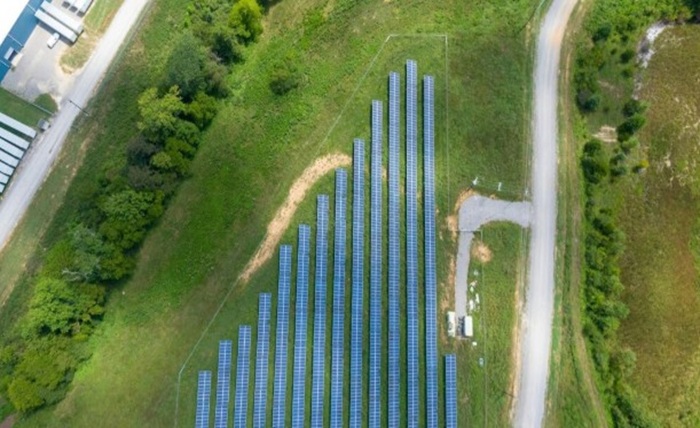
Local solar farms serve as catalysts for extensive community development that extends far beyond electricity generation. These installations create stable employment opportunities across multiple skill levels, from construction and maintenance to project management and administration. Rural areas particularly benefit as solar farms utilize previously underproductive land while generating tax revenue for local governments, funding schools, infrastructure, and public services.
Communities hosting solar farms often experience increased economic activity through local spending by workers and contractors. Additionally, these projects typically include community benefit agreements that may provide reduced electricity rates, educational programs, or direct financial contributions to local initiatives. Solar farms also attract complementary businesses and enhance property values in surrounding areas, creating a multiplier effect that strengthens the entire regional economy.
Expanding Workforce Opportunities Through Solar Jobs Hiring
The solar industry’s rapid growth has created an unprecedented demand for skilled workers across diverse occupational categories. Installation technicians, electrical engineers, project managers, and sales professionals represent just a fraction of the expanding employment landscape. For job seekers searching online for solar jobs hiring near me, this expansion translates into a steady flow of local openings across both technical and non-technical roles.
Local communities benefit as solar companies establish training programs that transform entry-level candidates into certified professionals within months. Many positions require minimal prior experience, offering accessible pathways to middle-class wages for individuals from varied educational backgrounds. This accessibility makes solar jobs hiring near me especially attractive to career changers and recent graduates seeking stable, future-focused employment.
Manufacturing facilities producing solar panels and components generate additional employment opportunities in production, quality control, and logistics. These jobs typically remain geographically stable, as installation and maintenance services must occur where systems are deployed. The multiplier effect extends beyond direct solar employment, stimulating growth in supporting industries including construction, finance, and legal services throughout the community.
Career Pathways and Skill Development in the Solar Industry
Multiple entry points characterize the solar industry’s career landscape, accommodating individuals at various professional stages from high school graduates to mid-career shifts. Technical training programs, community colleges, and apprenticeships provide foundational skills in photovoltaic installation, electrical systems, and project management. These pathways typically require months rather than years, enabling faster workforce integration than traditional four-year degrees.
Advancement opportunities span installation technician roles to specialized positions in system design, engineering, and operations management. Certifications from organizations like NABCEP enhance professional credibility and earning potential.
Cross-training initiatives allow workers to develop complementary skills in energy storage, grid integration, and smart technology systems. Local training partnerships between solar companies, educational institutions, and workforce development agencies facilitate curriculum alignment with industry needs while creating direct pipelines from classroom to employment.
Environmental Benefits That Support Long-Term Community Health
Beyond economic advantages, solar energy deployment reduces air pollution that disproportionately affects vulnerable populations in communities hosting fossil fuel infrastructure. Traditional power generation releases particulate matter, nitrogen oxides, and sulfur dioxide, contributing to respiratory diseases, cardiovascular problems, and premature deaths. Solar installations eliminate these emissions at the source, delivering measurable health improvements within years of implementation. Communities shifting to solar power experience fewer asthma-related hospitalizations and reduced healthcare expenditures.
Children attending schools near solar arrays benefit from cleaner air during critical developmental periods. Lower pollution levels also decrease absenteeism from work and school, strengthening local productivity. These environmental gains compound over decades, creating healthier populations with enhanced quality of life. Solar energy therefore represents preventive healthcare infrastructure, protecting community well-being while simultaneously advancing climate objectives.
Land Use, Infrastructure, and Sustainable Growth Considerations
While solar installations deliver environmental and health advantages, their physical footprint requires careful planning to balance energy generation with competing land needs. Large-scale solar farms can occupy hundreds of acres, prompting communities to assess how energy infrastructure fits alongside agriculture, housing, and conservation priorities. This balance is especially relevant as solar farms in Illinois expand across both rural farmland and repurposed industrial zones, increasing the importance of coordinated land-use policies.
Strategic placement minimizes conflicts. Rooftop installations and parking canopies utilize existing structures without consuming additional land. Brownfield sites and contaminated properties gain productive use through solar development, transforming liabilities into revenue generators. Many solar farms in Illinois leverage former industrial sites, aligning clean energy expansion with land remediation efforts.
Agrivoltaics demonstrates innovative land sharing, allowing crop cultivation beneath elevated panels while reducing water evaporation. This dual-use approach preserves agricultural output while generating clean electricity. Infrastructure upgrades accompanying solar projects strengthen electrical grids and create distribution improvements benefiting entire regions. Thoughtful planning guarantees solar development supports rather than compromises community growth objectives and resource preservation.
Building Resilient Communities Through Renewable Energy Adoption
Solar energy’s contribution to community resilience extends far beyond environmental benefits, establishing power security that protects residents during grid failures and natural disasters. Distributed solar installations with battery storage enable critical facilities like hospitals, emergency shelters, and water treatment plants to maintain operations when centralized grids collapse. Communities investing in renewable infrastructure reduce vulnerability to fuel supply disruptions and price volatility that destabilize conventional power systems.
Microgrids powered by local solar arrays create energy independence, allowing neighborhoods to island themselves during emergencies while supporting vulnerable populations. This decentralized approach distributes risk across multiple generation points rather than concentrating it in distant facilities. Additionally, communities developing renewable portfolios strengthen economic resilience by retaining energy spending locally, building technical workforce capacity, and creating diversified revenue streams that buffer against economic downturns affecting traditional industries.