
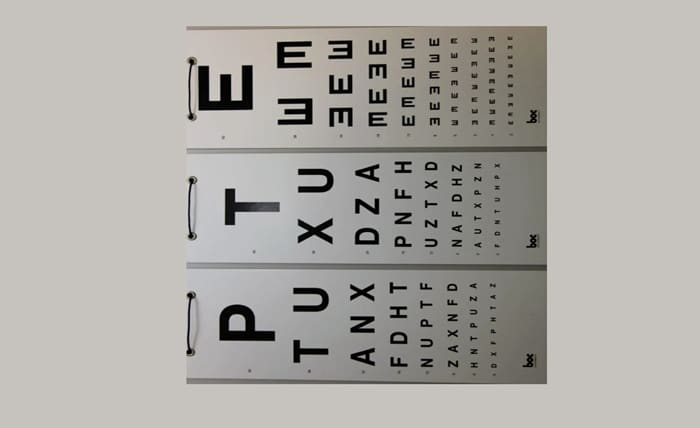
Accurate vision screening depends not only on the chart being used, but also on how the test is administered. Clinics, schools, occupational health providers and community health services rely on consistent procedures to ensure results are reliable and repeatable. When using 3 metre eye charts from BOC Instruments, following best-practice testing methods helps ensure visual acuity assessments are performed correctly and reflect true patient outcomes rather than environmental or procedural variables.
Understanding the Purpose of 3 Metre Eye Charts
Three metre eye charts are designed for settings where space is limited but accurate distance vision testing is still required. They are commonly used in consulting rooms, mobile clinics, schools and workplace screening programs where traditional six metre testing distances are not practical.
When used correctly, 3 metre charts provide reliable visual acuity measurements that align with recognised testing standards. The key is ensuring the test environment and administration process match the chart’s intended design.
Preparing the Testing Environment
The testing environment plays a significant role in the accuracy of vision assessments. Before administering any test, the space should be assessed for lighting, distance and visual distractions.
Lighting should be even and sufficient, without glare or shadows falling across the chart. Natural light can be acceptable if it is consistent, but controlled artificial lighting is often preferred to reduce variability. The chart should be clearly visible without reflections or obstructions.
The testing distance must be measured precisely at three metres from the chart to the patient’s eye position. Even small deviations can affect results, so marking the floor or using a fixed chair position helps maintain consistency between tests.
Correct Chart Placement and Setup
Proper placement of the eye chart ensures results reflect the patient’s vision rather than positioning errors. The chart should be mounted at eye level for the patient when seated or standing, depending on the testing protocol.
If multiple patients of different heights are tested, adjust seating rather than moving the chart where possible. This helps maintain a consistent reference point and reduces setup time between tests. Charts should be securely mounted or displayed flat against the wall to prevent movement during testing. Any curvature or instability can distort letter perception and compromise accuracy.
Standardising Patient Positioning
Consistent patient positioning is essential for reliable testing. The patient should face the chart directly, with their head upright and eyes level. Leaning, tilting or turning the head can change viewing angles and affect results.
Patients should be instructed to keep both feet flat on the floor if seated and avoid leaning forward or backward during the test. Clear instructions at the beginning of the assessment help minimise the need for repeated corrections during testing. For children or individuals with limited attention spans, maintaining engagement while reinforcing correct positioning improves cooperation and test reliability.
Administering the Test Consistently
Clear, calm communication helps patients understand what is expected during the test. Explain the process briefly before starting, including whether they should read letters from top to bottom or line by line. When testing monocular vision, ensure the non-tested eye is properly occluded without pressure that could blur vision when uncovered. Occlusion should be gentle and comfortable, particularly for children.
Encourage patients to guess letters rather than skip them, as this provides a more accurate representation of functional vision. However, avoid coaching or prompting that could influence responses. Maintaining a neutral tone and consistent pacing ensures the test reflects the patient’s visual ability rather than examiner influence.
Managing Common Testing Challenges
Certain challenges frequently arise during vision testing and should be managed proactively. Patients may memorise charts if tested repeatedly, particularly in workplace or school settings. Rotating chart versions or using alternative optotypes helps reduce this risk. Fatigue can also affect results, especially in long screening sessions. Allowing brief rest periods between eyes or tests helps maintain accuracy.
For patients with language barriers or literacy challenges, alternative chart formats may be required. Ensuring the chosen chart aligns with patient needs supports inclusive and accurate testing.
Recording and Interpreting Results Accurately
Accurate documentation is just as important as the test itself. Record results immediately, noting the smallest line read correctly and whether any errors occurred. Include contextual information such as lighting conditions, patient cooperation and any observed difficulties. These notes provide valuable reference points for follow-up assessments or referrals.
Results should be interpreted within the context of screening rather than diagnosis. Vision screening identifies potential issues but does not replace comprehensive eye examinations conducted by qualified eye care professionals.
Maintaining Equipment and Chart Quality
Over time, charts can fade, become damaged or lose contrast, affecting legibility. Regular inspection ensures charts remain fit for purpose.
Clean charts according to manufacturer guidelines and replace them if letters are no longer crisp or evenly visible. Consistent chart quality supports consistent results across testing sessions. Using professionally manufactured charts from reputable suppliers such as BOC Instruments helps ensure compliance with visual acuity standards and long-term durability.
Ensuring Compliance With Screening Standards
Vision screening protocols vary across clinical, educational and occupational settings, but consistency remains a core requirement. Aligning testing methods with recognised guidelines helps ensure results are defensible and meaningful.
Staff administering tests should be trained in correct procedures and refreshed regularly on best practices. Standard operating procedures help maintain quality control, particularly in environments with multiple testers. Consistent administration also supports reliable comparison of results over time, which is essential for monitoring vision changes or identifying emerging concerns.
Supporting Patient Confidence and Comfort
A calm, respectful testing experience helps patients feel at ease and improves cooperation. This is particularly important for children, older adults or individuals unfamiliar with vision screening.
Explaining results in simple terms and outlining next steps when concerns are identified helps build trust and clarity. Patients are more likely to engage with follow-up care when they understand the purpose and outcome of the screening.
Conclusion
Accurate vision screening depends on more than the chart alone. By following best practices in setup, administration and documentation, practitioners can ensure reliable results when using 3 metre eye charts from BOC Instruments. Attention to environment, positioning, communication and consistency supports high-quality assessments across clinical, educational and workplace settings.
When administered correctly, 3 metre eye charts provide a practical and dependable solution for vision screening where space is limited. Combined with professional standards and regular equipment maintenance, they help support early identification of visual concerns and promote better eye health outcomes.