
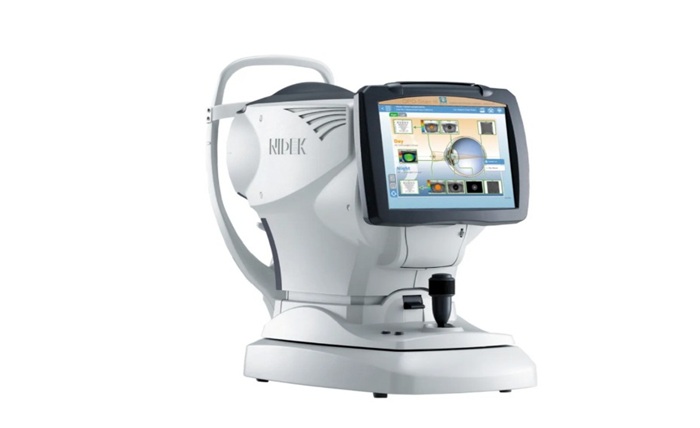
Efficiency, accuracy, and patient comfort are essential in modern optometry practices, which is why many clinics explore auto refractors for sale by BOC Instruments when upgrading their diagnostic equipment. Auto refractors are designed to quickly measure a patient’s refractive error, providing an accurate starting point for eye examinations while reducing the time required for manual testing. By automating a key part of the refraction process, these devices allow clinics to operate more smoothly without compromising the quality of care provided to each patient.
In busy eye clinics where multiple patients are seen daily, even saving a few minutes per appointment can significantly improve overall workflow. Auto refractors streamline the early stages of testing, enabling practitioners to gather essential data rapidly and move efficiently into more detailed assessments and patient consultations.
Faster Initial Measurements for Every Patient
One of the most noticeable benefits of auto refractors is the speed at which they capture refractive data. Instead of starting examinations with manual lens changes and subjective questioning, practitioners can obtain accurate baseline readings within seconds. This immediate information provides a clear starting point for the rest of the eye test.
This speed helps appointments run on time and reduces waiting periods, especially during peak clinic hours. When the first stage of the examination is efficient, the entire consultation flows more smoothly from start to finish.
Improving Accuracy and Consistency in Testing
Manual refraction methods depend heavily on patient responses and practitioner technique, which can introduce minor inconsistencies. Auto refractors provide objective, repeatable measurements that serve as a reliable foundation for further testing. This consistency ensures every patient begins the examination with accurate data, reducing the chance of error and improving the quality of the final prescription.
Reducing Patient Fatigue During Examinations
Traditional eye tests can feel long and repetitive for patients, particularly children, elderly individuals, or those with limited attention spans. Auto refractors simplify the early stages of testing, reducing the number of lens changes and questions needed. A quicker process helps patients feel more comfortable and relaxed, leading to more reliable responses during the remainder of the examination.
Supporting Staff Efficiency and Workflow
Auto refractors are designed to be user-friendly once staff are trained. This allows assistants or technicians to perform the initial measurements before the optometrist conducts the detailed evaluation. Delegating this step improves workflow and reduces the pressure on practitioners.
By incorporating auto refractors into daily routines, clinics create a smoother process that benefits both staff productivity and patient experience.
Enhancing Record Keeping and Data Integration
Modern auto refractors often include digital displays, data storage, and printing features. Some units integrate directly with practice management software, reducing the need for manual data entry. This automation improves record accuracy and saves administrative time, contributing to overall operational efficiency.
Improving Outcomes for Complex Prescriptions
Patients with complex prescriptions or communication challenges can be difficult to assess using only manual methods. Auto refractors provide clear objective readings that guide the examination process more effectively. This support allows optometrists to approach complex cases with greater confidence and precision.
Shortening Appointment Times Without Compromising Care
Efficiency in the clinic does not mean rushing patients through their appointments. Instead, auto refractors reduce time spent on repetitive manual tasks, giving optometrists more opportunity to focus on explaining results and discussing eye health. This balance improves productivity while enhancing the patient experience.
Keeping Up With Modern Optometry Standards
Patients increasingly expect clinics to use advanced technology as part of their care. Auto refractors demonstrate a commitment to modern practices and professional standards. Clinics equipped with this technology present a more advanced and trustworthy image to their patients.
Improving Overall Clinic Productivity
When each appointment runs smoothly and efficiently, the clinic can accommodate more patients without extending working hours. This improved productivity benefits both the business and the patients by reducing wait times and increasing availability. Auto refractors contribute directly to this improvement by optimising the examination process.
Conclusion
Auto refractors play a crucial role in improving eye clinic efficiency by speeding up examinations, increasing accuracy, and supporting better workflow management. They reduce patient fatigue, improve record keeping, and allow practitioners to focus on providing high-quality care. By integrating auto refractors into daily operations, clinics create a more efficient, comfortable, and professional environment for both staff and patients while maintaining the highest standards of eye care.