
Fine motor skills play a critical role in how young children interact with their world, learn new tasks, and build independence as they grow. Many parents and educators begin to understand their importance when professionals assess hand strength, dexterity and coordination as part of early childhood development reviews. These skills involve the small muscles of the hands and fingers and are essential for everyday activities such as drawing, writing, dressing, and using utensils. When fine motor development is well supported, children are better equipped to succeed both at home and in early learning environments.
During early childhood, the brain and body are developing rapidly. Fine motor skills develop alongside cognitive, social, and emotional abilities, making them a foundational part of overall growth. Supporting these skills early helps children feel confident, capable, and ready to take on new challenges as they progress through different developmental stages.
Understanding What Fine Motor Skills Are
Fine motor skills refer to the ability to use the small muscles in the hands, fingers, and wrists in a controlled and coordinated way. These skills allow children to perform precise movements, such as picking up small objects, manipulating toys, or holding a pencil correctly.
Unlike gross motor skills, which involve larger muscle groups and whole-body movements, fine motor skills require careful coordination between the hands and eyes. This coordination develops gradually and improves through practice, play, and daily activities.
How Fine Motor Skills Support Independence
As children grow, fine motor skills enable them to become more independent in everyday tasks. Simple activities such as buttoning clothes, zipping bags, brushing teeth, or feeding themselves all rely heavily on hand strength and coordination.
When children can manage these tasks on their own, it builds confidence and reduces frustration. Independence in self-care also allows children to participate more fully in family routines and early learning environments.
The Link Between Fine Motor Skills and School Readiness
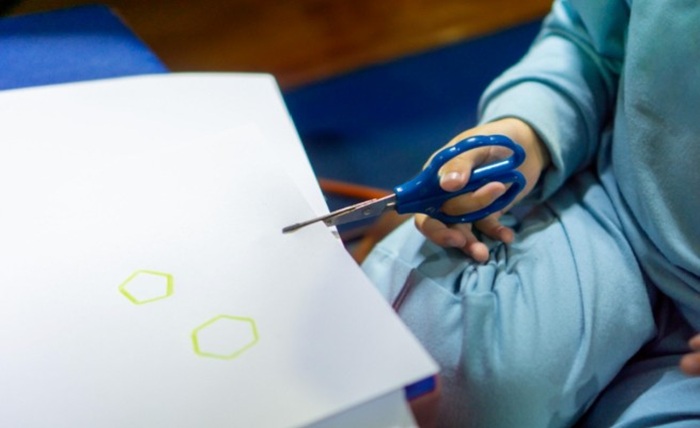
Fine motor development is closely linked to school readiness. Many classroom activities require children to use their hands for writing, cutting, colouring, and manipulating learning materials. Without well-developed fine motor skills, these tasks can become tiring and discouraging.
Children who struggle with hand control may avoid activities that involve writing or drawing, which can impact their learning experience. Strong fine motor skills help children focus on learning concepts rather than struggling with the physical demands of tasks.
Supporting Early Writing and Drawing Skills
Writing and drawing are complex activities that require strength, coordination, and endurance in the hands. Fine motor skills allow children to hold writing tools properly, control pressure, and form shapes and letters. Early exposure to fine motor activities supports the gradual development of these skills, making the transition to formal writing smoother and less stressful.
Fine Motor Skills and Cognitive Development
Fine motor activities often involve problem-solving, planning, and concentration. Tasks such as building with small blocks, completing puzzles, or threading beads require children to think, adjust their movements, and learn from trial and error.
These experiences support cognitive development by strengthening attention, memory, and reasoning skills. Fine motor play encourages children to explore cause-and-effect relationships and develop persistence.
Social and Emotional Benefits of Fine Motor Development
Children who feel capable of completing tasks independently often experience a boost in self-esteem. Successfully using fine motor skills in play or learning situations helps children feel proud of their achievements. Conversely, difficulties with fine motor skills can sometimes lead to frustration or withdrawal in group settings. Supporting these skills early helps children engage more confidently with peers and activities.
Recognising Signs of Fine Motor Skill Challenges
Some children may show signs that fine motor development needs extra support. These signs can include difficulty holding crayons or utensils, avoiding drawing or writing tasks, or struggling with buttons and zippers. Early recognition allows parents and educators to seek guidance and provide targeted support before challenges affect learning or confidence.
The Role of Play in Developing Fine Motor Skills
Play is one of the most effective ways to develop fine motor skills in young children. Activities such as playdough, puzzles, drawing, and construction toys naturally strengthen hand muscles and coordination. Through play, children practice skills in a fun and engaging way, making learning feel enjoyable rather than demanding.
How Assessments Help Identify Developmental Needs
Professional fine motor assessments help identify a child’s strengths and areas that may need support. These assessments provide valuable insight into how a child uses their hands during tasks and whether development is progressing as expected. Early assessment allows for tailored strategies that support development in a positive and structured way.
Supporting Fine Motor Skills at Home and in Early Learning
Parents and caregivers play an important role in supporting fine motor development. Providing opportunities for hands-on play, encouraging creativity, and offering tasks that involve manipulation help strengthen these skills over time. Consistency and patience are key. Small, regular activities can have a significant impact on development.
The Importance of Early Intervention
When fine motor challenges are identified early, intervention can be highly effective. Early support helps children develop necessary skills before academic and social demands increase. Addressing difficulties early reduces the risk of ongoing challenges and supports a smoother developmental journey.
Conclusion
Fine motor skills are a vital part of early childhood development, influencing independence, learning, confidence, and overall wellbeing. From self-care tasks to school readiness, these skills play a role in nearly every aspect of a child’s daily life.
By understanding their importance and supporting development early, parents and educators can help children build a strong foundation that supports success at every stage of growth.