
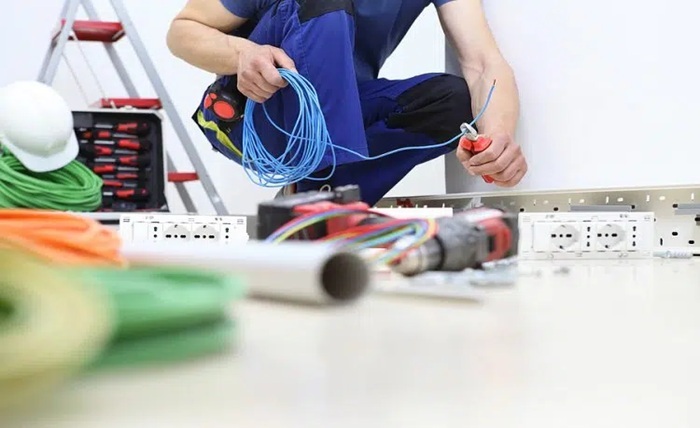
When electrical work is required at your home or business, it’s important to know that not all electricians are authorised to perform the same tasks. In situations involving power connections, meters, or work on the electricity network, homeowners often require a Level 2 electrician Sutherland Shire by Skyco Trades rather than a standard electrician. Understanding the difference between standard electricians and Level 2 electricians helps ensure the right professional is engaged for the job, protecting both safety and compliance.
Electrical systems are regulated for good reason. The work performed on or near live supply networks carries higher risk and requires specialised training and accreditation. Knowing who is qualified to handle which type of work can prevent delays, legal issues, and unsafe installations.
What Is a Standard Electrician?
A standard electrician, sometimes referred to as a licensed electrician, is qualified to carry out general electrical installation, maintenance, and repair work within a property. This includes tasks such as installing lighting, replacing power points, upgrading switchboards, wiring renovations, and repairing electrical faults inside the building.
Standard electricians complete rigorous training and apprenticeships to obtain their licence. They are highly skilled in working within the internal electrical systems of homes and commercial properties. However, their authorisation typically stops at the main power supply point.
What Is a Level 2 Electrician?
A Level 2 electrician is a specially accredited electrical professional who has additional qualifications allowing them to work on or near the electricity network. This includes handling tasks that involve connection to the power grid, such as installing or repairing overhead and underground service lines.
Level 2 electricians are authorised by energy distributors to perform work that standard electricians are not legally permitted to undertake. Their training includes advanced safety procedures, live work protocols, and knowledge of network infrastructure.
Key Differences in Scope of Work
The most significant difference between standard and Level 2 electricians lies in the scope of work they are legally allowed to perform. Standard electricians focus on internal wiring and fixtures within a property boundary.
Level 2 electricians, on the other hand, are authorised to work on the consumer mains, service lines, and connections between the property and the electricity supply network. This distinction is critical when projects involve meter installations, power upgrades, or reconnecting services after disconnection.
When You Need a Standard Electrician
For most everyday electrical tasks, a standard electrician is sufficient. Common examples include installing ceiling fans, upgrading lighting systems, adding new circuits for appliances, or troubleshooting faulty wiring. These professionals are well-equipped to manage residential and commercial interior electrical needs safely and efficiently. If the work does not involve direct interaction with the main supply network, a standard electrician is typically appropriate.
When You Need a Level 2 Electrician
There are specific scenarios where only a Level 2 electrician can legally perform the required work. These include upgrading or relocating an electricity meter, repairing damaged overhead service lines, connecting new properties to the grid, and handling defect notices issued by energy providers.
If your property requires changes to the connection between your home and the street power supply, a Level 2 electrician is essential. Engaging the correct professional ensures compliance with network regulations and safety standards.
Understanding Consumer Mains and Service Lines
Consumer mains are the cables that connect your property’s switchboard to the electricity network. Service lines may be overhead or underground and deliver power from the street to your home. Only Level 2 electricians are authorised to install, repair, or replace these components. Attempting such work without proper accreditation is illegal and highly dangerous.
Handling Electrical Defect Notices
Energy providers may issue defect notices if your electrical installation does not meet safety standards. Common reasons include damaged service cables, outdated meters, or unsafe connections. A Level 2 electrician is typically required to rectify these defects and certify that the work complies with regulations. Prompt action ensures your power supply is not disconnected or interrupted.
Safety and Risk Considerations
Working on live power networks presents higher risks than internal electrical work. Level 2 electricians undergo specialised safety training to handle these risks responsibly. They follow strict protocols to minimise hazards when working on live or high-voltage connections. While standard electricians also prioritise safety, the additional accreditation for Level 2 work reflects the increased complexity and danger involved in supply-side electrical tasks.
Accreditation and Authorisation Requirements
Level 2 electricians must obtain accreditation from local energy distributors in addition to holding a standard electrical licence. This accreditation confirms they are authorised to perform contestable network work. Homeowners should always verify accreditation before engaging someone for supply-related tasks. Proper authorisation protects you from non-compliant work and potential legal consequences.
Meter Installation and Relocation
Upgrading or relocating your electricity meter often requires a Level 2 electrician. This may occur during major renovations, new builds, or switchboard upgrades. Meter work involves coordination with the electricity distributor and strict compliance with network standards. Only accredited professionals can manage this process correctly.
Power Upgrades and Capacity Increases
As homes adopt electric vehicles, solar systems, and additional appliances, power demand increases. Upgrading your power supply to handle higher capacity may require changes to service lines or consumer mains. Such upgrades typically fall under Level 2 electrical work. Ensuring the supply infrastructure supports increased demand prevents overload and enhances safety.
Emergency Situations Involving Service Lines
Storm damage, fallen trees, or vehicle impacts can damage overhead power lines connected to your property. In these cases, a Level 2 electrician is required to repair or replace damaged service lines safely. Quick response is critical in such emergencies to restore power and eliminate electrical hazards.
Compliance With Local Regulations
Electrical work in Australia is governed by strict safety and compliance standards. Engaging the correct level of electrician ensures adherence to regulations and prevents complications with inspections, insurance claims, or property sales. Using the wrong professional for supply-side work can result in fines, rejected inspections, or safety risks.
Why Choosing the Right Electrician Matters
Selecting the appropriate electrician for your project ensures efficiency, safety, and legal compliance. Hiring a standard electrician for Level 2 tasks may delay your project, while engaging a Level 2 electrician unnecessarily for basic internal work may increase costs. Understanding the distinction allows homeowners to make informed decisions and avoid confusion.
The Importance of Professional Advice
If you are unsure whether your project requires a standard or Level 2 electrician, consulting a qualified professional is the best approach. A knowledgeable electrician can assess your needs and advise whether supply-side work is involved. Clear communication at the start of your project helps streamline the process and avoid costly mistakes.
Conclusion
The difference between standard and Level 2 electricians lies primarily in their scope of work and level of accreditation. While standard electricians handle internal wiring, lighting, and appliance installations, Level 2 electricians are authorised to work on consumer mains, service lines, and electricity network connections.
Understanding these distinctions ensures you engage the right professional for your electrical needs, maintaining safety, compliance, and reliability. Choosing correctly from the outset protects your property and ensures all work meets the highest regulatory standards.