
Accessing global data without hitting geographic roadblocks is the primary hurdle for modern data engineers. The difference between a complete dataset and a fragmented one often comes down to the quality of the connectivity layer. For developers and researchers, the goal is establishing a reliable simply node of connectivity that bridges local development environments with international content. When assessing infrastructure options like simplynode.io, success depends on understanding the nuances between proxy types and the metrics that drive data collection efficiency.
Understanding the Residential Proxy Landscape
Navigating the complexities of web scraping requires a clear distinction between datacenter IPs and residential nodes. Datacenter proxies—while often offering high speeds—typically reside on shared subnets within server farms. Sophisticated firewalls can easily identify and flag these ranges because they lack the digital footprint of a human user.
In contrast, residential proxies route traffic through genuine devices connected to legitimate Internet Service Providers (ISPs). This technical distinction is vital for maintaining a high trust score with target servers. Because these IPs carry the Autonomous System Number (ASN) of a standard household connection, they significantly reduce the likelihood of encountering 403 Forbidden errors or CAPTCHA challenges. For projects requiring precise geolocation, accessing a pool of millions of IPs allows for granular targeting down to the city or carrier level. This ensures the scraper sees exactly what a local user sees, which is essential for verifying localized content or aggregating regional pricing data without triggering anti-bot defense mechanisms.
Key Metrics for Evaluating Proxy Providers
Selecting an infrastructure partner goes beyond just counting IPs; it requires evaluating how the service handles scale and cost. Flexibility is often the deciding factor for long-term project viability. Uptime and request success rates are standard performance indicators, but the economic model of a provider is equally critical. For projects with fluctuating demands, residential proxies pay as you go models offer superior value compared to rigid monthly subscriptions. This structure ensures that budget is spent only on successful data retrieval, preventing wasted overhead during idle development periods. Instead of locking into fixed recurring costs, teams can align their infrastructure spend directly with their data consumption.
When analyzing market feedback or referencing specific simplynode reviews, technical users consistently highlight three features that define a robust scraping infrastructure:
- Flexible Data Validity: A consumption model that does not force “use it or lose it” constraints, allowing data balances to remain valid for extended periods.
- Granular Targeting: The technical capability to route requests through specific geopolitical regions to bypass localized content blocks efficiently.
- Intelligent Auto-rotation: Settings that automatically switch IPs after a set duration or request count to prevent session exhaustion and maintain anonymity
Integrating Proxies into Development Workflows
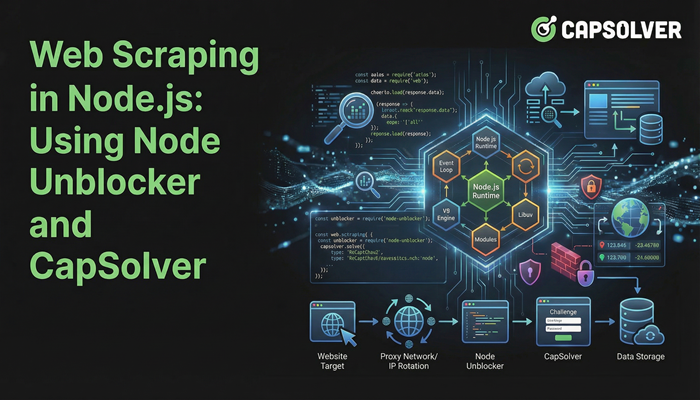
Even the most robust proxy network is ineffective if it disrupts the core scraping logic. The ideal middleware layer should be virtually invisible to the developer. For those working with JavaScript environments, where having node js explained simply in the context of proxy integration is beneficial, the concept is straightforward: the proxy functions as an intermediary agent. It handles the complex handshake protocols and header management in the background, forwarding the client’s request to the target. This abstraction allows developers to focus on the data extraction logic—parsing HTML or handling JSON responses—rather than managing physical hardware or manually rotating IP tables. By prioritizing networks that offer seamless integration and genuine ISP connections, developers can transform the complex task of global data extraction into a routine, manageable process.