
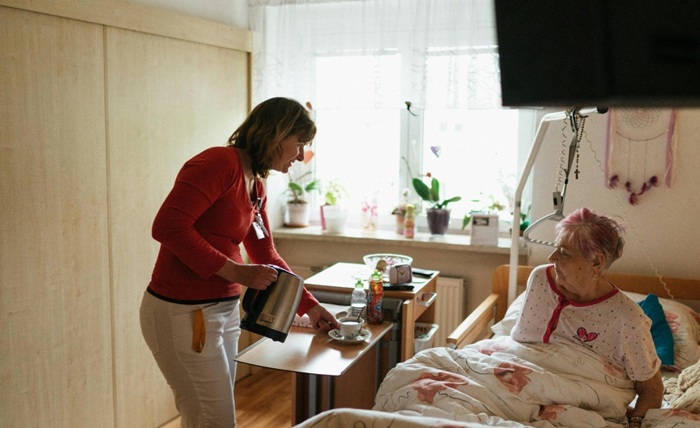
Most families don’t plan to start home care. They arrive there. Sometimes it’s after a fall. Sometimes, after a slow decline, no one wanted to name out loud. Other times, it’s the stark realization that what used to be manageable simply… isn’t anymore.
In those moments, people act fast. They find help. They arrange schedules. They try to make life workable again. What rarely happens after is reflection. That is where most of the trouble begins.
Home care influences overall communication, spending habits, and brings in a sense of responsibility. Those changes are easy to miss until they’re changing daily habits.
It’s Not Just About “Having Someone There”
When families first think about care, they often associate it with the things that we generally come across. Help with bathing, preparing meals, or medication. Useful? Yes. But that’s the surface.
A reliable home care agency brings something less visible and far more important: structure. It ties everything together. Planning, continuity, and holding the right entity accountable when things drift off course.
Without that, families often end up coordinating everything themselves. All this happens while also paying for outside help. Hence, they are not able to fully utilize the services of a caregiver.
That is not support. That is outsourcing labor without reducing responsibility.
AmeriBest Home Care lays emphasis on the role of an ideal home care service. According to them, a caregiver’s role goes beyond scheduled hours. They work with physicians, tailor care plans, and adjust support as conditions change, so families are not left constantly reinventing the system around them.
The Quiet Exhaustion No One Prepares For
Caregiving does not usually collapse dramatically. It erodes quietly.
It starts with shorter sleep. Fewer social plans. A growing sense that everything now revolves around someone else’s needs.
A 2025 study in Frontiers in Aging showed that long-term informal caregivers face significantly higher emotional and physical strain. This generally happens when there is a delay or inconsistency in professional support.
What this looks like in real life is not always tears or breakdowns. More often, it looks like irritability, forgetfulness, silence, or the feeling of being “on” all the time.
Families tend to notice these changes only when something goes wrong. By then, the damage has already begun.
The Money Side Is More Complicated Than It Looks
People usually budget for home care the way they budget for a service: hourly rates, weekly totals, and monthly estimates.
What they forget are the costs that don’t appear on invoices, like:
- Transportation
- Mobility aids
- Home modifications
- Missed workdays
- Backup care when someone cancels
These don’t arrive all at once, which makes them easy to ignore. But together, they shape whether care remains manageable or becomes a source of constant anxiety.
The smartest financial decisions around home care are rarely about finding the lowest rate. They’re about understanding the real cost of sustaining care over time.
Medical Needs Don’t Automatically “Handle Themselves”
There’s a common assumption that once home care starts, medical follow-ups somehow fall into place.
They don’t.
Medications change. Therapy plans evolve. Doctors communicate in fragments. Without active coordination, families often find themselves chasing information instead of receiving it.
That gap is dangerous.
Home care, when done properly, acts as a living bridge between clinical settings and daily life. Without that bridge, families are left balancing healthcare on guesswork and good intentions.
And neither are reliable long-term strategies.
Why Stability Matters More Than Families Expect
Research from Johns Hopkins Bloomberg School of Public Health highlights workforce shortages and rising turnover across many regions. For families, this doesn’t just mean delays. It means inconsistency.
Different caregivers mean different habits, different communication styles, and different interpretations of care routines. Every change resets trust and understanding.
Consistency is not a luxury in home care. It is a safety feature.
Asking how caregivers are trained, supported, and retained is not overthinking. It is protecting the integrity of the care itself.
The Caregiver’s Health Is Not a Side Issue
Families often focus entirely on the person receiving care. Understandably so. But caregivers do not exist outside the system.
According to the Family Caregiver Alliance, long hours of caregiving can increase the risk of chronic illness, depression, and heart-related issues.
When caregivers become unwell, it is an alarm sign. You can see the care quality declines. It happens long before anyone admits something is wrong.
Hence, a sustainable care plan treats caregiver wellbeing as essential.
Care Is Also About Comfort, Not Just Competence
Two people can receive the same care and experience it very differently.
Some value quiet efficiency. Others need conversation. Some want privacy. Others want connection.
Ignoring these personal elements doesn’t cause immediate failure, but it slowly strips care of its humanity.
Good home care respects how someone lives, not just how they survive.
The Cost of Only Thinking Short-Term
Most families take home care services because of a moment. A fall, a diagnosis, a sudden shift. But care does not remain static. It needs change. Conditions evolve. People age.
When families only plan for “right now,” they end up constantly reacting instead of guiding the process. Stress becomes normal. Emergencies become routine.
Those who think ahead, even imperfectly, experience fewer disruptions and far less emotional fatigue.
Care should adapt with life, not chase it.
Families do not struggle with home care because they lack effort or love. They struggle because no one teaches them what to look for before they begin.
When families understand the emotional weight, the financial reality, the medical coordination, the importance of consistency, and the human side of care, home care stops feeling fragile.
It starts feeling like it should be a way to protect dignity, independence, and peace, not just survival.