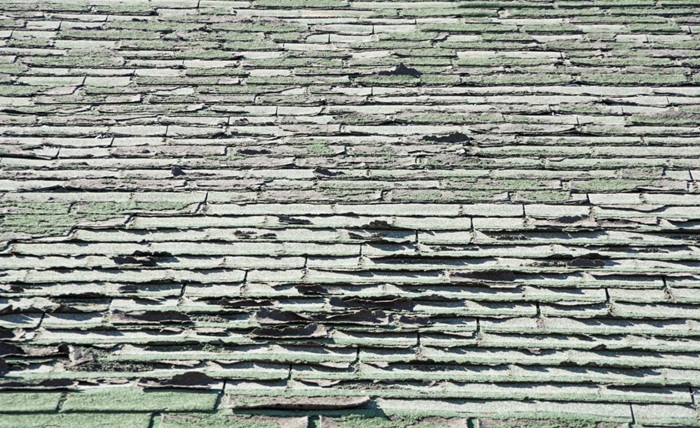
Curling shingles rarely develop without a reason. They may look like a surface-level issue at first, but the shape change often points to stress building within the roofing system itself. Edges that lift, corners that bend, or tabs that start to claw upward can all suggest that the materials below are no longer supporting the roof the way they should. For homeowners researching roofing services ogden, curling shingles are often one of the clearest signs that a closer inspection is worth scheduling.
What makes curling so important is that it affects more than appearance. Once shingles lose their flat seal against the roof, they become easier for the wind to lift and easier for water to slip beneath. That change can expose underlayment, fasteners, decking, and ventilation problems that were hidden for years. In many cases, the visible curl is only the part that finally makes the deeper issue impossible to ignore.
Curling Usually Starts With Stress Inside the Roofing System
Shingles are built to lie flat, shed water, and stay sealed against the surface beneath them. When they begin to curl, something has changed in that balance. Age is one common reason. As shingles get older, they lose flexibility and become more brittle. Heat, sun exposure, and repeated seasonal expansion and contraction gradually dry them out.
That alone does not explain every case. Curling can also develop when attic ventilation is poor and excess heat builds beneath the roof deck. Instead of wearing evenly, the shingles bake from above and below. Moisture can create another version of the same problem. When damp air lingers in the attic or water begins to move into hidden layers, the roofing materials expand and weaken in ways that eventually show up on the surface.
This is why curling shingles deserve more attention than a glance from the driveway. They often reflect conditions that have been developing out of sight.
Poor Ventilation Can Push Shingles Toward Early Failure
Ventilation problems do not always announce themselves with obvious interior damage. Sometimes the first exterior clue is a roof that ages unevenly. Curling shingles can appear sooner than expected when attic heat has nowhere to go or when humid air stays trapped beneath the deck.
In that environment, the underside of the roof remains warmer and damper than it should. Over time, that shifts how the shingles expand, seal, and hold their shape. A homeowner may see curling near the upper slopes, granule loss in scattered sections, or shingles that seem older than the roof’s actual age.
This matters because replacing a few curled shingles without correcting the airflow issue often leads to the same problem returning. The repair may improve appearance for a while, but the system is still under stress.
Moisture Below the Surface Changes More Than the Shingles
Water does not need to pour through the ceiling to create damage. Small amounts of moisture can move through decking, insulation, and underlayment long before interior stains appear. Curling shingles sometimes develop because the roof deck beneath them is no longer dry and stable.
As the substrate changes, the shingles above it begin to move differently. They may lift at the edges, lose adhesion, or show irregular wear patterns across one section of the roof. In some cases, moisture also softens the decking enough that a repair becomes more involved than expected once the shingles are removed.
That is why surface symptoms should not be treated in isolation. A roof can look like it needs a minor patch while the real issue sits one layer below.
Flashing and Transitions Often Contribute to the Problem
Curling is not always caused by broad aging across the whole roof. Sometimes it appears near vulnerable areas where water is more likely to enter. Roof penetrations, valleys, wall intersections, and other transition points depend on flashing to move water away cleanly. If that flashing loosens, corrodes, or was installed poorly, moisture can seep beneath nearby shingles and begin to affect how they perform.
This is where the roof begins to tell a more detailed story. Curling in a single concentrated area may indicate a failed detail rather than general wear. That difference matters because the repair approach differs. A broad age related issue may call for larger replacement planning, while a localized problem may require focused structural correction around the affected section.
Wind Makes Curled Shingles More Vulnerable
Once a shingle starts lifting at the edge, it becomes easier for the wind to get underneath it. That makes curling more than a cosmetic concern. It changes how the roof responds during storms and increases the chance that shingles will crack, tear, or detach.
This creates a compounding problem. The original cause may have been age, moisture, or ventilation, but once the shingle curls, outside conditions accelerate the damage. Water can reach places it could not access before. Adhesive seals break more easily. Neighboring shingles begin to loosen as well.
At that point, the roof is no longer dealing with one isolated symptom. It involves a change in how the entire surface sheds weather.
Inspection Matters More Than a Quick Surface Fix
The biggest mistake with curling shingles is assuming the visible section tells the whole story. A short term patch may flatten the immediate problem or replace a few distorted pieces, but that does not answer why the shingles curled in the first place.
A useful inspection looks at more than the shingle surface. It checks for soft decking, failed flashing, moisture patterns, ventilation imbalance, and signs of heat buildup in the attic. It also considers whether the curling is confined to one area or spread across the roof, suggesting broader material deterioration.
That level of evaluation helps determine whether the roof needs targeted repair or whether the visible damage is part of a larger system breakdown. Homeowners looking into roofing services ogden are better served by a contractor who explains that distinction clearly instead of offering the same solution for every roof.
Curling Shingles Are an Early Warning Worth Taking Seriously
Curling shingles often appear before major interior damage becomes obvious. That makes them one of the more useful warning signs a roof can give. They may point to age, trapped heat, moisture intrusion, failing details, or a mix of problems working together below the surface.
Handled early, the issue may stay limited. Left alone, it can lead to leaks, deck deterioration, and more expensive repairs that extend beyond the shingles themselves. The important step is not guessing from the ground. It is finding out what the curling is revealing and addressing the real cause before the damage spreads.