
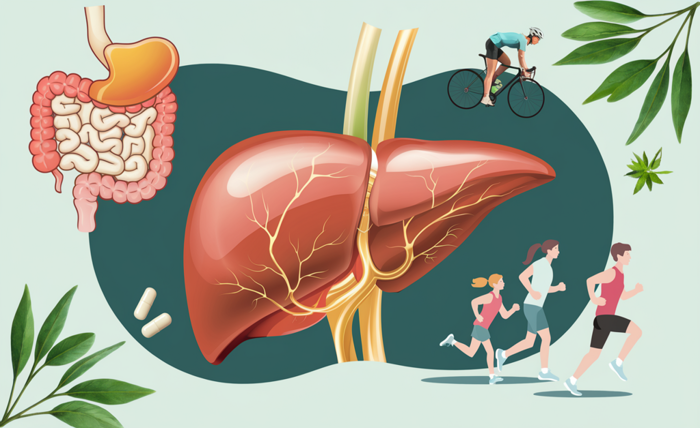
Athletes constantly push their bodies to the limit, placing extraordinary demands on every system—especially the liver and digestive tract. These organs work overtime to process nutrients, eliminate metabolic waste, and maintain the energy levels required for peak performance. Recently, serrapeptase, a proteolytic enzyme derived from silkworms, has emerged as a potential ally in supporting these critical functions.
Originally discovered in the digestive system of silkworms, serrapeptase breaks down proteins and has been studied for its anti-inflammatory properties. While research continues to evolve, early findings suggest this enzyme may offer meaningful benefits for liver function, digestive efficiency, and recovery—areas of particular interest to competitive athletes and fitness enthusiasts.
The Liver’s Central Role in Athletic Performance
The liver performs over 500 distinct functions, making it one of the body’s most metabolically active organs. For athletes, three functions stand out:
- Nutrient Processing: Converting carbohydrates into glycogen for energy storage and synthesizing proteins essential for muscle repair
- Detoxification: Filtering metabolic byproducts, environmental toxins, and waste generated during intense exercise
- Metabolic Regulation: Balancing blood sugar levels and producing bile for fat digestion
When liver function becomes compromised—whether through inflammation, oxidative stress, or excessive toxin load—athletic performance suffers. Recovery slows, energy levels drop, and the risk of injury increases. According to research published in the Journal of Clinical and Translational Hepatology, even subclinical liver dysfunction can impair exercise capacity and metabolic efficiency.
How Serrapeptase May Support Liver Function
Serrapeptase works by breaking down non-living protein structures in the body, including fibrin and damaged tissue. This mechanism has implications for liver health, particularly in reducing inflammation and improving circulation—two factors that directly affect hepatic function.
The enzyme’s potential liver benefits include:
- Reducing Inflammatory Markers: By degrading proteins that contribute to inflammatory cascades, serrapeptase may help protect liver cells from oxidative damage
- Enhancing Microcirculation: Improved blood flow to the liver ensures more efficient nutrient delivery and waste removal
- Supporting Detoxification Pathways: Better circulation and reduced inflammation create optimal conditions for the liver’s natural detoxification processes
Although large-scale clinical evidence is still limited, early research indicates that serrapeptase’s anti-inflammatory effects may offer potential benefits for individuals with elevated liver enzymes or those recovering from hepatic stress. Brands like Liver Medic feature such enzyme-based formulations, while athletes using these supplements often report improved recovery and enhanced energy levels—though outcomes can vary. Comparable options from Doctor’s Best and NOW Foods are also available within this category.
Digestive Health and Nutrient Absorption in Sports
Optimal digestion isn’t just about comfort—it’s fundamental to athletic performance. The digestive system breaks down macronutrients, absorbs micronutrients, and maintains the gut barrier that prevents systemic inflammation. When digestion falters, even the most carefully planned nutrition strategy fails to deliver results.
Serrapeptase may support digestive health through several mechanisms:
- Protein Breakdown: As a proteolytic enzyme, serrapeptase assists in breaking down dietary proteins into absorbable amino acids
- Reducing Gut Inflammation: By targeting inflammatory proteins in the intestinal lining, the enzyme may help maintain gut barrier integrity
- Improving Nutrient Bioavailability: Enhanced protein digestion leads to better absorption of essential amino acids needed for muscle repair and growth
Research from Frontiers in Nutrition indicates that proteolytic enzymes can reduce exercise-induced gastrointestinal distress, a common complaint among endurance athletes. For those experiencing digestive discomfort during training, serrapeptase offers a potential intervention worth exploring.
Practical Guidelines for Athletes
Athletes considering serrapeptase supplementation should approach it strategically:
- Begin with a conservative dose (10,000-20,000 SPU) to assess individual tolerance
- Take the enzyme on an empty stomach, at least 30 minutes before meals or two hours after, to maximize absorption
- Monitor digestive response and adjust timing or dosage accordingly
- Consult with a sports nutritionist or healthcare provider to ensure compatibility with existing supplement protocols
Timing matters significantly. Taking serrapeptase with food reduces its systemic absorption, as the enzyme will primarily work on dietary proteins rather than entering the bloodstream to exert broader anti-inflammatory effects.
Serrapeptase and Post-Injury Scar Tissue
Scar tissue formation represents one of the most frustrating aspects of athletic injury recovery. While necessary for wound healing, excessive fibrous tissue can limit range of motion, create adhesions, and increase reinjury risk. Traditional approaches to scar management include physical therapy, massage, and in severe cases, surgical intervention.
Serrapeptase offers a different approach. The enzyme selectively targets dead or damaged proteins, including the fibrin that forms scar tissue, while leaving healthy tissue intact. This selectivity makes it particularly interesting for athletes dealing with:
- Tendon and Ligament Injuries: Where excessive scar tissue can compromise joint mechanics
- Muscle Tears: Where fibrous adhesions may limit flexibility and strength
- Post-Surgical Recovery: Where internal scarring can affect movement patterns
A study published in the International Journal of Surgery found that serrapeptase reduced post-operative swelling and pain more effectively than placebo in patients recovering from surgical procedures. While athletic injuries differ from surgical wounds, the underlying mechanism—breaking down excess fibrin—remains relevant.
Addressing Candida Biofilm Formation
Candida overgrowth affects more athletes than commonly recognized. Intense training suppresses immune function, creating conditions where opportunistic organisms like Candida albicans can proliferate. The real challenge isn’t just the yeast itself, but the protective biofilm it creates—a matrix of proteins and polysaccharides that shields the organism from both immune cells and antifungal treatments.
Serrapeptase’s ability to degrade protein structures extends to biofilms. By breaking down the protective matrix, the enzyme may enhance the effectiveness of antifungal protocols.
For athletes struggling with persistent candida issues, serrapeptase shouldn’t replace conventional antifungal treatment but may serve as a valuable adjunct therapy. The enzyme’s biofilm-disrupting properties can help antifungal medications penetrate more effectively, potentially shortening treatment duration and improving outcomes.
Selecting Quality Serrapeptase Supplements
Not all serrapeptase supplements deliver equivalent results. Quality varies significantly based on enzyme activity, enteric coating, and manufacturing standards. When evaluating options, consider:
- Enzyme Activity: Measured in serratiopeptidase units (SPU), with therapeutic doses typically ranging from 10,000 to 120,000 SPU
- Enteric Coating: Essential for protecting the enzyme from stomach acid degradation
- Third-Party Testing: Verification of potency and purity through independent laboratories
- Manufacturing Standards: GMP-certified facilities ensure consistent quality and safety
Price often reflects quality in enzyme supplements. Cheaper products may contain lower enzyme activity or lack proper enteric coating, rendering them largely ineffective. Reading verified customer reviews and checking for certificates of analysis can help identify reputable brands.
Potential Side Effects and Contraindications
While generally well-tolerated, serrapeptase can cause side effects in some individuals. Most commonly reported issues include:
- Mild digestive upset, particularly when first starting supplementation
- Skin reactions in rare cases
- Increased bleeding risk when combined with anticoagulant medications
Athletes taking blood thinners, preparing for surgery, or managing bleeding disorders should avoid serrapeptase without medical supervision. The enzyme’s fibrinolytic properties can interfere with normal clotting mechanisms, potentially increasing hemorrhage risk.
Pregnant or nursing athletes should also exercise caution, as safety data in these populations remains limited. When in doubt, conservative approaches and professional guidance should take precedence over experimental supplementation.
Integrating Serrapeptase Into Athletic Recovery Protocols
Serrapeptase works best as part of a comprehensive recovery strategy rather than a standalone intervention. Athletes seeking to maximize its benefits should consider:
- Combining with adequate protein intake to support muscle repair
- Maintaining proper hydration to facilitate enzyme distribution and waste removal
- Timing supplementation around training schedules for optimal anti-inflammatory effects
- Cycling usage to prevent potential tolerance or diminished response
Some athletes report enhanced benefits when combining serrapeptase with other recovery modalities like contrast therapy, compression, and targeted mobility work. The enzyme’s anti-inflammatory properties may complement these physical interventions, creating synergistic effects that accelerate healing.
The Bottom Line for Athletes
Serrapeptase represents an intriguing option for athletes focused on liver health, digestive function, and recovery optimization. While not a miracle cure, the enzyme’s ability to reduce inflammation, break down problematic proteins, and support natural healing processes makes it worth considering for those dealing with chronic inflammation, digestive issues, or stubborn scar tissue.
As with any supplement, individual responses vary. What works exceptionally well for one athlete may produce minimal effects in another. The key lies in approaching serrapeptase as one tool among many—part of a broader strategy that includes proper nutrition, adequate rest, smart training programming, and professional medical guidance when needed.
Athletes interested in exploring serrapeptase should start conservatively, monitor their response carefully, and adjust their approach based on results. When used thoughtfully and in appropriate contexts, this enzyme may offer meaningful support for the demanding physical challenges that define athletic pursuit.