
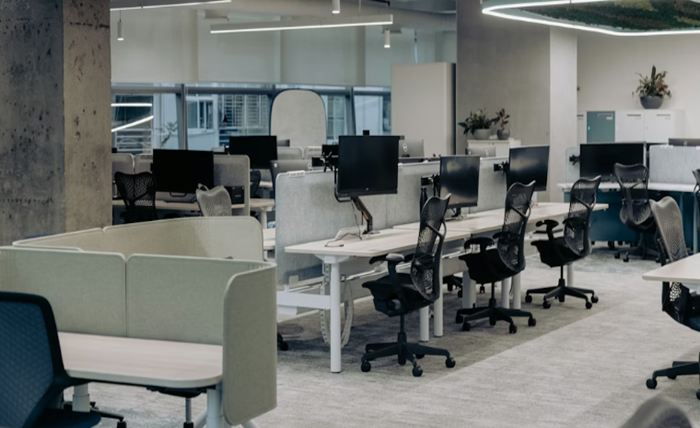
One of the most neglected aspects of a successful business is a clean workplace.
Business owners work hours and hours on marketing, hiring and new software. But here’s the thing… The state of the workplace itself is actually one of the biggest factors in how well the team does day in and day out. It’s one of the easiest business wins around and yet…it often gets bumped to the bottom of the list far too often.
Here’s the kicker:
A clean office is:
- Easy to maintain
- Cheap to achieve
- Proven to boost output and morale
Plus, when a spill, leak, or contamination occurs, a rapid emergency cleaning response can prevent lost hours, sick staff and major downtime.
In this guide:
- Why A Clean Workplace Actually Matters
- How A Dirty Office Destroys Productivity
- The Real Cost Of Poor Office Hygiene
- Signs A Workplace Needs An Emergency Cleaning Response
- Easy Ways To Keep The Office Clean
Why A Clean Workplace Actually Matters
Cleanliness is more than just appearances.
Surfaces all around the office – desks, door handles, keyboards – are laden with bacteria, dust, allergens. Unsanitary surfaces lead to more sick days and lost focus.
It’s a real eye-opener. A typical office desk has 400 times more bacteria than an average toilet seat.
Gross, right?
And that has a real cost. Staff in dirty environments fall sick more often, feel less motivated, and generate less work. That’s why hiring a professional Tamworth commercial property cleaning team is one of the smartest moves a business owner can make. They take care of the daily mess, sanitise high-touch areas, and offer a rapid emergency cleaning response when things go awry.
The payoff?
A cleaner workspace means a healthier, happier, and more productive team.
How A Dirty Office Destroys Productivity
Picture this:
It’s Monday morning and an employee walks into the office. The kitchen sink is full of dirty dishes from Friday. The bins are overflowing. There’s dust on the shelves and coffee stains on the carpet.
How do they feel?
Not great.
That first impression frames the week. A messy, dirty environment shouts at everyone in the building:
- Leadership doesn’t care about the environment
- Standards in the business are low
- Staff wellbeing isn’t a priority
In fact, studies indicate that 69% of employees think their work environment is a health risk. That’s a frightening statistic when you’re trying to create a team that feels safe and supported.
Cumulatively this has an effect on morale. Staff who are engaged don’t want to work in a dirty environment – and the best performers will begin looking for another job.
The Real Cost Of Poor Office Hygiene
Dirty workplaces are expensive.
Very expensive.
In Australia, the practice of coming to work while sick costs the economy $34.1 billion a year in lost productivity. Absenteeism is another $7 billion on top of this.
A big part of that is down to poor office hygiene. Germs spread from person to person quickly, and one ill member of staff becomes three or four.
Let’s break down where the real costs show up:
- Lost hours: Staff off sick can’t produce any work
- Low focus: Staff at work but feeling unwell produce poor-quality output
- Staff turnover: Unhappy workers leave, costing thousands to replace
- Damaged reputation: Clients notice a dirty workplace straight away
The depressing part? The majority of this is entirely preventable with a solid cleaning protocol and the right people on the job. Research has found that just by improving the cleanliness of workspaces we can reduce sick days by 12.5%. Now that’s a pretty big ROI for a very small spend.
Signs A Workplace Needs An Emergency Cleaning Response
Regular cleaning isn’t always enough.
Emergency cleaning in the workplace is required from time to time. These situations, if left unattended, can cause sickness, injury and loss of business.
Here are the four biggest warning signs:
1. An Unexpected Spill Or Flood
Water, chemical or food spillages should be mopped up immediately. Left unattended they can lead to:
- Slip and fall injuries
- Mould growth
- Damage to floors and furniture
Speed is of the essence. The faster a spill is cleaned up the less damage occurs to personnel, inventory, and the building.
2. An Outbreak Of Illness
If two or more members of staff become unwell with the same illness, surfaces must be fully sanitised immediately. If you carry on as normal more and more staff will become unwell, and it becomes a vicious circle.
3. Visible Mould Or Pest Problems
Mould and pests are both a significant health risk. They both require an immediate professional reaction before they spread throughout the building causing long-term damage.
4. After A Trade Event Or Office Function
Big events make a big mess. Leftovers, spills, broken things, and dirty bathrooms. Fast turnaround ensures the team walks into a sparkling workroom the next morning.
Scheduling a cleaning team with an emergency cleaning response ensures business continues when the unexpected occurs.
Easy Ways To Keep The Office Clean
You don’t need to break the bank to develop cleaner habits. Simple modifications can have a positive impact on your staff’s morale and performance.
Start with these easy wins:
- Place wipes and hand sanitiser on every desk
- Empty rubbish bins daily, not weekly
- Deep clean carpets and upholstery every quarter
- Sanitise shared equipment (keyboards, phones, door handles) at least twice a week
- Keep bathrooms fully stocked and clean them every single day
- Encourage staff to tidy their own desk before leaving each day
The single biggest step?
Hire a professional cleaning crew. A quality commercial cleaner takes care of daily tidying and heavy-duty sanitisation – and quickly responds when emergencies happen. Think of cleaning like any other business investment. Small outlays of time and money today can save you large amounts in the future.
Final Thoughts
A tidy work place is not a “nice-to-have” … it’s an investment in the people that keep the business going.
When workplaces are clean:
- Staff take fewer sick days
- Productivity climbs
- Morale goes up
- Clients form a better impression
- Top talent sticks around
When they’re dirty the opposite is true. Germs spread, output falls, and people look for the exit.
The easiest solution is to schedule cleaning into your weekly routine and have a contingency cleaning response plan for when the unexpected occurs. That’s the way the most successful businesses get ahead of the curve.
A little cleanliness really does go a very, very long way.