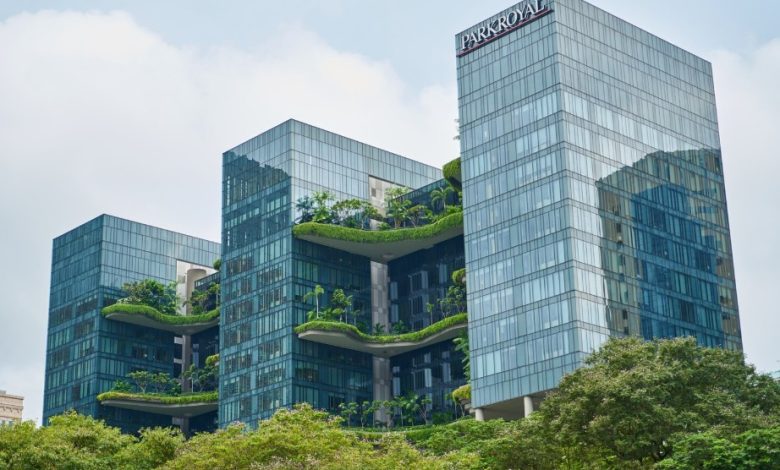
As environmental awareness among developers and property owners rises, the adoption of sustainable materials is rapidly reshaping commercial construction. Using resources like recycled steel, low-carbon concrete, and engineered wood helps lower greenhouse gas emissions and reduce landfill waste produced by traditional building practices. These materials do more than help the planet—they also support improved indoor air quality and give businesses opportunities to meet government incentives and green certification requirements. For those seeking innovative solutions for their projects, companies like Blue Chip Window & Door are often at the forefront, offering modern and sustainable options that align with green building goals.
Choosing sustainable building products benefits occupants as much as the environment, providing healthier spaces and potentially reducing long-term maintenance and operational costs. These benefits are being recognized across the industry, prompting a wider transition to greener construction practices and prompting municipalities and investors to support sustainable development more than ever before.
Energy-Efficient Systems: Reducing Operational Costs
As energy costs and climate regulations increase, incorporating energy-efficient systems into commercial construction has moved from a luxury to a necessity. Using high-efficiency insulation, advanced HVAC systems, and intelligent energy management solutions, buildings now consume less energy, offer more consistent indoor temperatures, and improve comfort for tenants and employees. Smart thermostats and zoned lighting are becoming standard features, significantly reducing waste and operational costs. According to the U.S. Department of Energy’s Building Technologies Office, these improvements can cut energy use in commercial buildings by up to 30 percent. The transition to greener power sources, such as solar panels and geothermal systems, further amplifies these benefits, helping buildings reduce their reliance on non-renewable energy. Not only do these strategies lower utility bills, but they also help future-proof buildings against tightening energy regulations and carbon taxes.
AI and Automation: Revolutionizing Construction Processes
AI and automation are rapidly changing the way commercial construction projects are planned and executed. AI-driven project management systems analyze data to help identify risks, schedule resources more effectively, and prevent costly delays. This results in fewer mistakes, reduced rework, and smoother project delivery overall. On-site, autonomous equipment such as drones, robotic bricklayers, and 3D printing robots makes tasks safer and faster. These technologies reduce manual labor requirements and help streamline repetitive work, allowing skilled professionals to focus on higher-value activities. Automation also supports better waste management, as machines can precisely calculate material quantities, reducing excess and helping projects stay within budget. As Forbes reports, AI and automation have quickly become game changers for efficiency and safety in the sector.
Modular Construction: Speed and Sustainability Combined
Modular construction is emerging as a preferred solution for developers seeking to save time, reduce costs, and lower their project’s environmental impact. By manufacturing large building sections in factories and assembling them on site, modular construction shortens project schedules and minimizes disruptions. This approach also reduces the construction industry’s carbon footprint by minimizing waste, limiting transportation, and reducing emissions at the construction site. This method works particularly well for commercial applications, including medical facilities, hotels, office complexes, and multi-family residences. Modular construction’s increased precision and repeatability translate to higher quality and better resource use, making it a valuable strategy for businesses focused on both profitability and sustainability.
Adaptive Reuse: Breathing New Life into Old Structures
Instead of tearing down existing buildings, adaptive reuse involves transforming underutilized or outdated properties into vibrant commercial spaces. This trend combines preservation with innovation, saving resources and reducing demolition waste while breathing new energy into neighborhoods. Repurposing historic structures also shortens approval processes and lowers construction costs, as existing facilities often need fewer zoning changes than new builds. From converting old factories into modern office campuses to transforming warehouses into retail or mixed-use hubs, adaptive reuse projects can revitalize communities, support local economies, and preserve architectural heritage, all while aligning with green construction values.
Smart Building Technologies: Enhancing Performance and Comfort
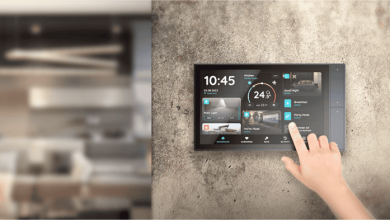
Smart buildings leverage connected technologies to provide a more adaptive and efficient environment for tenants and facility managers alike. Internet of Things (IoT) devices gather data on lighting, temperature, air quality, and occupancy, enabling real-time adjustments to optimize energy use and comfort. Automated security and access control systems enhance safety while reducing the burden on property management teams.
Advanced water-conservation devices, leak sensors, and predictive maintenance platforms further protect the building and minimize costly damage or downtime. These systems not only create more comfortable workplaces but also help building owners reduce expenses and attract high-value tenants seeking modern, future-ready properties.
Certifications and Compliance: Meeting Green Building Standards
Certification programs such as LEED, WELL, and Energy Star have become vital benchmarks for commercial builders aiming to demonstrate their environmental responsibility. Achieving these credentials signals a commitment to sustainability and healthy indoor environments, which can increase a property’s market value and make it more attractive to future tenants and investors. These programs also provide building owners with frameworks for continuous improvement, facilitating ongoing operational savings and helping them meet increasingly strict government regulations. For commercial projects, attaining respected certifications is not just a marketing advantage. It can also unlock incentives, enhance building resale value, and future-proof investments against evolving expectations and requirements in the real estate market.
Conclusion
The commercial construction industry is on the cusp of profound change, led by an urgent focus on sustainability, technology, and efficiency. The adoption of green materials, energy-saving systems, and advanced construction methods is shaping buildings that are not only more cost-effective to operate but also responsible stewards of the environment. By prioritizing these trends, developers and property owners are creating commercial spaces that will thrive far into the future, contributing to healthier cities and more resilient communities.