
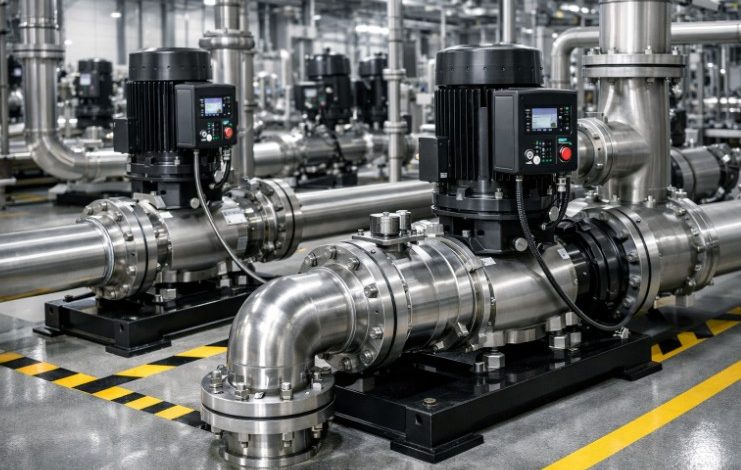
Industrial pumps serve as the backbone of fluid movement in industries ranging from chemical processing to water treatment. Their quiet contributions keep entire operations running, yet their efficiency is often overlooked. When pumps run inefficiently, they drive up both energy consumption and costs, making optimization essential for operational sustainability. If you’re seeking high-performance solutions, it’s worth exploring specialized providers such as Roper Pumps to ensure you’re leveraging advanced technology for your plant’s needs.
Every improvement in pump efficiency translates directly into energy and cost savings, positively impacting the bottom line and promoting greener operations. This is why industries worldwide are prioritizing pump performance to gain a competitive edge and reduce environmental footprints.
Importance of Pump Efficiency
Industrial pumps account for a significant share of global electricity, nearly 20% of industrial energy use. With increasing pressure on industries to minimize costs and carbon emissions, the efficiency of these systems becomes crucial. Improving pump efficiency does more than just trim costs; it can extend the lifecycle of vital equipment and support broader sustainability targets. By focusing on effective pump performance, facilities also benefit from increased reliability and decreased risk of costly downtime, as detailed by the U.S. Department of Energy’s insights on pump system optimization.
Enhancing pump efficiency also contributes to overall workplace safety. Pumps operating under proper conditions and with minimal wear are less likely to fail catastrophically, protecting staff and preserving process continuity. The effects ripple beyond financial gains, improving organizational reputation and operational resilience. Moreover, as the world moves towards stricter environmental regulations, more efficient pumps help organizations meet compliance goals and avoid hefty penalties. The growing integration of efficiency targets into corporate responsibility and ESG (Environmental, Social, and Governance) tracking means that pump optimization increasingly figures into boardroom strategies and investor expectations.
Common Inefficiencies in Industrial Pumps
Despite progress, many industrial pumps fail to operate efficiently. Up to two-thirds are oversized, off-design, or used improperly, leading to higher energy use, repairs, and breakdowns. A study shows that 68% operate outside optimal zones for over half their hours, with nearly half running inefficiently for over 80%. Such misalignments cause energy loss and reduce equipment lifespan. Also, components such as impellers, seals, and bearings degrade gradually, reducing efficiency over time. Faulty sensors and clogged strainers can conceal performance issues. Effective monitoring and diagnostics help identify and fix inefficiencies early, preventing escalation.
Technological Advancements in Pump Design
Pump manufacturers are leveraging new materials and engineering strategies to address common inefficiencies. Advanced thermoplastics and composites, such as PEEK and reinforced ceramics, are increasingly incorporated into pump construction. These materials enhance resistance to corrosion, abrasion, and thermal stress, ensuring durability under demanding conditions. Additionally, innovations such as ceramic coatings and flame-spray technology reduce friction and improve hydraulic efficiency.
Modern design software refines impeller shapes and flow paths, boosting fluid efficiency. These tools help plants choose or retrofit pumps to match process needs, cutting energy waste and mechanical stress. Digital tools like “smart pumps’ with IoT and real-time analytics enable predictive maintenance and self-optimization, adjusting pump parameters to reduce costs. Software upgrades allow digital twins to simulate and optimize pump settings before implementation, reducing risks. These innovations are pushing toward autonomous, adaptive pump management across sectors.
Strategies for Optimizing Pump Performance
- Regular Maintenance: Scheduled inspections help detect worn parts or leaks that could reduce efficiency. Adhering to a systematic maintenance plan helps preempt breakdowns and maintain design performance.
- Proper Sizing: Precisely matching pump capacity to actual system demands prevents excessive energy consumption and reduced component life caused by over- or under-sizing.
- Variable Frequency Drives (VFDs): Installing VFD technology enables pumps to adjust speed in response to fluctuating demand. This not only curtails energy use but also minimizes mechanical stress.
- System Audits: Conducting periodic audits evaluates the whole system for bottlenecks, pressure losses, or design mismatches. Insights from these audits provide a pathway to implement targeted improvements that yield measurable returns.
- Operator Training: Properly trained personnel are crucial to maximize pump efficiency. Comprehensive training programs help staff better understand system behaviors, promptly recognize deviations from standard performance, and apply best practices when troubleshooting issues or optimizing operations.
- Implementing Condition Monitoring: Leveraging sensors and advanced analytics permits real-time monitoring of vibration, temperature, and power consumption. Early identification of anomalies enables swift corrective actions, reducing potential downtime and maintaining optimal efficiency throughout the pump’s operational life.
Case Studies of Successful Implementations
Businesses that optimize pump operations see significant benefits. An international chemicals producer improved cooling-tower pump efficiency by 22%, reducing annual carbon emissions by over 128 metric tons through advanced pumps with smart controls. Many municipal water utilities have saved energy and increased reliability by replacing old pumps with high-efficiency models, and smart monitoring extends pump life and lowers costs. Sectors like food processing, pulp and paper, and pharmaceuticals report quick payback, often under 2 years, using data-driven strategies, benchmarking, and analytics to identify and upgrade underperformers. As digital innovation grows, more companies will likely realize similar efficiency gains, highlighting pump system optimization as a vital investment.
Conclusion
Optimizing industrial pump systems is a crucial step for any operation seeking to maximize efficiency and cut operating expenses. Addressing inefficiencies and embracing innovative materials and digital control systems can produce significant reductions in energy usage and environmental impact. By taking these steps, industries ensure stable, cost-effective operations while contributing to global sustainability goals. The future of industrial pump systems lies in proactive optimization, where continuous improvement delivers long-term value.
Ultimately, ongoing investment in pump performance improvement is not just about reducing operational costs; it is about building a resilient business that can adapt to regulatory shifts, changing energy prices, and increasing competition. As technology evolves, organizations that prioritize smart upgrades and are committed to continuous learning will reap rewards in both profit and sustainability. For manufacturers and plant managers, regularly reviewing pump efficiency should move from a periodic task to a core aspect of operational excellence.