
You might already know you should brush, floss, and keep up with dental visits, yet real life has a way of getting in the way. A long day, a tight budget, a child who resists brushing, or years of mixed messages about what actually matters can leave you doing your best without feeling sure it is enough. That uncertainty is common, and it can quietly shape your health over time, especially when access to dental care designed for seniors in Cave Creek is part of the conversation.
When people talk about healthy teeth and gums, they often focus on treatment after something goes wrong. But the real shift usually happens earlier, when you understand why habits matter, how to make them stick, and what small choices protect your mouth year after year. That is where education matters most. It turns oral care from a chore you try to remember into a routine that makes sense, feels doable, and lasts.
If you want the short version, here it is. Learning the basics of prevention, knowing which habits bring the biggest return, and getting guidance from a general dentist can help you avoid pain, reduce costs, and build confidence around your care. The role of education in building long term oral health habits is not just about facts. It is about giving you a clear path you can follow.
Why does oral health education shape habits that actually last?
Most long term habits do not fail because people do not care. They fail because the habit feels disconnected from daily life. If brushing feels like one more task on a crowded list, it is easy to rush through it. If flossing seems optional, it often gets skipped. If no one has explained the link between gum disease, pain, bad breath, and costly dental work, prevention can feel less urgent than it really is.
Because of this tension, you might wonder what education really changes. The answer is simple. It gives meaning to routine. When you know that plaque hardens into tartar, that gum inflammation can start quietly, and that small problems often become expensive ones, daily care stops feeling random. It becomes a way to protect your time, comfort, and budget.
This is true for adults, teens, and children alike. A child who learns to brush well with support at home is more likely to carry that habit forward. An adult who finally understands why bleeding gums are a warning sign may stop ignoring them. A parent who learns how sugar frequency affects teeth may rethink snacks and drinks without feeling guilty or overwhelmed.
Trusted public health sources can help clear up confusion. The CDC’s oral health tips for adults explain the basics of prevention in a way that is easy to use. If you want a wider overview of conditions, symptoms, and treatment topics, MedlinePlus dental health resources can be a helpful place to start. For patient friendly handouts and educational tools, HRSA oral health outreach materials offer useful support.
What gets in the way of building better dental hygiene habits?
Sometimes the barrier is not knowledge alone. It is emotion. If you have had a painful dental visit in the past, even thinking about oral care can bring up stress. If money is tight, preventive care may feel easier to postpone than other bills. If your household runs on a packed schedule, consistency can feel almost impossible.
Then there is misinformation. You may have heard that bleeding while flossing means you should stop, when in many cases it means your gums need more attention. You may assume that if your teeth do not hurt, nothing is wrong, even though decay and gum disease can develop quietly. You may even think mouthwash can replace brushing and flossing, which leaves gaps in your routine.
So, where does that leave you? It leaves you needing practical, clear education that respects real life. Building healthy dental habits works best when the advice is simple, repeatable, and tied to your own routine. Brush at the same times each day. Keep floss where you will see it. Choose water more often. Schedule cleanings before pain forces the issue. These are small moves, but they add up.
How does prevention compare with waiting until there is a problem?
It can help to see the difference side by side. Education supports prevention because it shows you what your effort is buying you over time.
| Approach | What it looks like | Short term effect | Long term effect |
|---|---|---|---|
| Prevention through education | Brushing twice a day, flossing daily, limiting sugary drinks, routine checkups, early questions to a dental professional | Cleaner mouth, fresher breath, more confidence | Lower risk of cavities and gum disease, fewer surprise costs, stronger oral health education and habits |
| Reactive care only | Waiting for pain, skipping visits, inconsistent home care, guessing what is normal | May seem easier at first, fewer tasks today | Higher chance of decay, infection, missed warning signs, more complex treatment later |
This comparison matters because oral disease often builds slowly. A cavity rarely appears all at once. Gum disease usually starts with mild inflammation, then worsens if ignored. Education helps you catch the quiet signs early, when change is easier and treatment is often simpler.
What can you do right now to support lifelong oral care?
- Make your routine easier than skipping it.
Set up your environment so the right choice takes less effort. Keep your toothbrush, fluoride toothpaste, and floss in plain sight. Pair brushing with fixed parts of your day, such as after breakfast and before bed. If you care for children, brush together so the habit feels normal rather than forced.
- Learn the why behind one habit at a time.
You do not need to master everything in one day. Start with one question. Why does flossing matter? Why does dry mouth raise cavity risk? Why do sugary drinks cause trouble when sipped all day? When you understand one reason clearly, the habit connected to it becomes easier to keep.
- Use your dental visits as education, not just treatment.
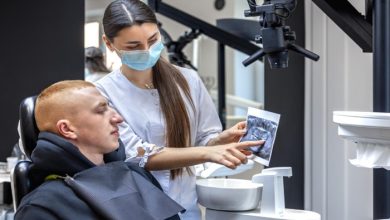
A general dentist can do more than clean teeth or fill cavities. You can ask for help with technique, product choices, signs to watch for, and ways to improve your routine without adding stress. That kind of guidance can turn vague advice into a plan that fits your life.
What does all of this mean for your long term oral health?
You do not need a perfect routine to make progress. You need a clear one, and you need to understand why it matters. Education gives you that foundation. It helps you notice problems earlier, make smarter daily choices, and build habits that hold up even when life gets busy.
If your routine has felt inconsistent or confusing, that does not mean you have failed. It usually means no one has connected the dots in a way that works for you. Once that happens, better oral care can feel less like pressure and more like relief. And if you want support that fits your needs, reaching out to a general dentist is a strong next step.