
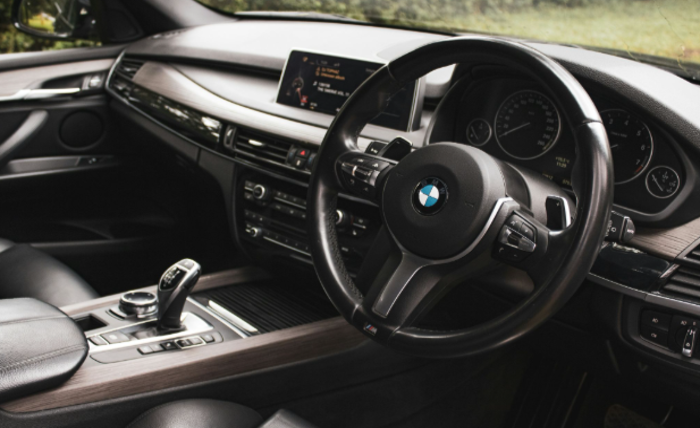
Choosing between genuine BMW accessories and aftermarket alternatives can be harder than it first appears. The price difference may be obvious, but the differences in fit, finish, materials and compatibility are not always as easy to see from an online listing.
For BMW owners, the decision is particularly important with accessories that form part of the car’s interior, exterior styling or electrical systems. A grille, steering wheel, alloy wheel or infotainment component may look right in a photograph but still be the wrong specification for the vehicle. Understanding what you are actually buying is therefore more important than simply choosing the cheapest option.
What Are Genuine BMW Accessories?
Genuine BMW accessories are original products designed specifically for BMW vehicles. BMW’s UK accessory range includes everything from interior protection and storage solutions to wheels, styling components, technology, charging equipment and transport accessories. BMW says its genuine accessories are engineered to fit the relevant vehicle and are intended to maintain the car’s functionality, durability and appearance.
That does not mean a genuine accessory has to be purchased brand new from a BMW dealer. Original BMW components can also come from vehicles that have been dismantled, creating a second-hand market for genuine parts and accessories. For owners of older BMWs, this can be an attractive alternative when the new price is difficult to justify or a particular factory component is no longer readily available.
The distinction is important because genuine and new are not the same thing. A used genuine BMW steering wheel, alloy wheel or interior component remains an original BMW product even though it has previously been fitted to another vehicle.
What Is an Aftermarket BMW Accessory?
An aftermarket BMW accessory is a component produced for the replacement, modification or enhancement of a BMW but not supplied as a BMW-branded original component. In the automotive industry, the term generally refers to products made for the replacement or customisation market rather than components supplied through the vehicle manufacturer’s original-equipment channel.
This distinction is important because not every component carrying another manufacturer’s name should automatically be described as aftermarket. Some manufacturers supply parts to vehicle makers as original-equipment suppliers, while also selling components independently under their own brands. An independently sold part may therefore come from a well-known automotive manufacturer, but that does not make it a genuine BMW accessory. Industry guidance specifically notes that terminology such as OE, OEM and “OE supplier quality” is often used inconsistently, so buyers should look at how the particular component was supplied and branded rather than relying on the label alone.
The aftermarket itself covers a broad range of products, from replacement components to styling and performance accessories. Quality can vary substantially between products, which is why the fact that something is aftermarket does not, by itself, tell you whether it is good or bad. A reputable aftermarket component can be a perfectly practical alternative, but buyers should still check its manufacturer, construction, compatibility and warranty before choosing it over a genuine BMW component.
Fitment Is One of the Biggest Differences
One of the strongest reasons to choose genuine BMW accessories is predictable fitment. BMW’s own accessory catalogue is organised around vehicle compatibility, and its online shop asks customers to select their vehicle before checking which products fit.
That matters because BMW has used different components across generations, body styles and equipment levels. A steering wheel can have different controls or wiring; a mirror can have different electrical functions; and an infotainment component may belong to a completely different system despite looking similar.
Aftermarket products can still fit perfectly well, but the buyer needs to establish exactly what has been designed for the car. The phrase “fits BMW 3 Series”, for example, is not sufficiently precise on its own. The generation, year and specification can all change the answer.
Genuine Does Not Automatically Mean Perfect
There is an important point that is sometimes missed when discussing BMW genuine accessories: original does not mean every used example will be in perfect condition.
A genuine used alloy wheel can have kerb damage. A steering wheel can have worn leather. Interior trim can be scratched, while an electronic component may need testing before installation. The fact that a component carries a BMW part number tells you what it is; it does not tell you how well it has been looked after.
This is why condition matters just as much as provenance when buying used. Clear photographs, an accurate description and information about testing are all valuable. A good used genuine accessory can be an excellent purchase, but it should still be assessed as a used component.
Where Used Genuine BMW Accessories Make Sense
Some accessories are particularly well suited to buying second-hand. Alloy wheels, steering wheels, seats, interior trim, mirrors and certain exterior styling components can remain useful for years when they have been properly cared for.
This is where specialist BMW dismantlers can offer an alternative to both dealer pricing and anonymous aftermarket listings. MT Auto Parts, for example, specialises in used BMW components and focuses on vehicles from 2012 onwards, with stock covering F, G and U generations. Its catalogue includes genuine BMW interior and exterior components, steering wheels, seats, alloy wheels, mirrors, grilles and infotainment equipment.
For a buyer, the advantage of dealing with a BMW specialist is not simply having access to used stock. It is the ability to discuss the exact component and its compatibility rather than relying entirely on a generic product description. When a part number or VIN can be checked before purchase, the risk of ordering the wrong version is reduced.
What About Price?
Price is where aftermarket accessories often have their strongest argument. An aftermarket manufacturer does not necessarily have the same pricing structure as BMW, and buyers can sometimes find visually similar products for substantially less.
However, comparing a new genuine accessory with a new aftermarket product is not the only way to look at the market. A third option is a used genuine BMW accessory.
For example, BMW currently lists genuine accessories ranging from floor-mat and protection packs to wheels, roof equipment and M Performance components, with individual products sometimes costing hundreds of pounds. A good used original component can therefore occupy an interesting middle ground: the buyer retains the factory component while avoiding the full cost of purchasing it new.
The saving has to be balanced against condition, however. A heavily worn used accessory is not automatically better value simply because it is genuine.
Electronics Need Extra Attention
The difference between genuine and aftermarket becomes particularly important when an accessory interacts with the BMW’s electrical systems.
Modern BMW accessories can include heated and multifunction steering wheels, electrically folding mirrors, infotainment displays, amplifiers, charging equipment and other electronic components. BMW’s own current accessory catalogue includes a dedicated technology and electrical category, illustrating just how much equipment now falls into this area.
With these products, physical fitment is only part of the equation. The accessory also needs to communicate correctly with the vehicle and provide the functions expected by the driver. Depending on the component and BMW generation, installation may also involve coding or programming.
For this reason, checking the part number and vehicle VIN before buying is particularly important. A specialist supplier should be able to help determine whether the component is appropriate rather than relying solely on its appearance.
Is Aftermarket Always the Wrong Choice?
Not at all. There are situations where aftermarket BMW accessories make perfect sense. An owner may want a particular styling treatment, a different material or a lower-cost solution, and a reputable aftermarket manufacturer may offer exactly that.
The key is to research the manufacturer and product rather than treating all aftermarket components as equal. Look at construction quality, customer feedback, warranty coverage and, most importantly, whether the product has been designed specifically for the BMW in question.
For simple cosmetic accessories, the risks may be relatively small. For something involving safety, structural integrity or complex electronics, the quality and compatibility of the product become much more important.
Genuine or Aftermarket: Which Should You Choose?
For owners who prioritise factory appearance, predictable fitment and original functionality, genuine BMW accessories are usually the more straightforward choice. BMW itself positions its original accessories around precise fit and integration with its vehicles.
Aftermarket accessories can be worthwhile when price, choice or a particular design is more important. But the buyer needs to do more research because the quality and compatibility of aftermarket products can vary significantly.
There is also a compelling middle ground for BMW owners who want the original component without paying the full new price. A good-condition used genuine BMW accessory can offer factory specification at a more accessible cost.
Ultimately, the smartest purchase is not necessarily the cheapest accessory or even the newest one. It is the component that offers the right combination of genuine quality, condition, compatibility and value for the particular BMW.