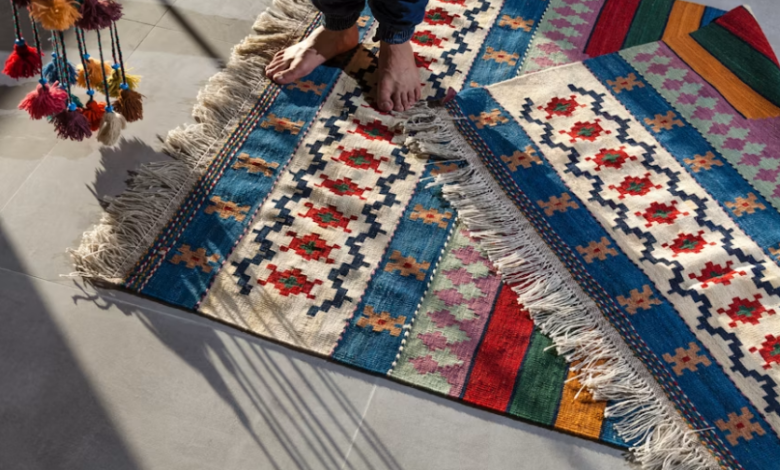
A rug or mat may seem harmless until it moves under your foot. You may be walking into a store, crossing a lobby, leaving a restroom, or stepping off an elevator when the edge catches your shoe or the mat slides forward.
Rugs and mats are often placed to absorb water, reduce slipping, or protect floors. But when they are unsecured, worn, curled, or poorly positioned, they can create the very hazard they were meant to prevent.
A fall caused by a loose rug or mat may support a claim if the property owner failed to inspect, secure, replace, or warn about the danger. Are you the victim of such a situation? Did you search “slip and fall lawyer near me”? The right lawyer can review the facts and evidence and give you the guidance you need..
When a Mat Becomes a Hazard
Not every rug or mat is unsafe. Many are useful when placed and maintained correctly. Problems arise when the floor covering creates an unexpected obstacle in a walking path.
A mat may become dangerous when it:
- Slides on smooth flooring
- Curls at the corners
- Bunches or wrinkles
- Has worn or torn edges
- Lacks non-slip backing
- Is too thick near a doorway
- Covers uneven flooring
- Becomes wet and unstable
These hazards can cause a person to trip, twist, or lose balance. The risk is higher in places where people are moving quickly, carrying bags, looking for exits, or walking through crowded areas.
Where These Falls Often Happen
Loose rugs and mats can cause falls in many public and private properties. In Boynton Beach, these claims may involve stores, restaurants, medical offices, apartment buildings, hotels, gyms, or office lobbies.
High-risk areas often include:
- Entrances
- Restrooms
- Hallways
- Checkout areas
- Elevator landings
- Reception areas
- Stairway landings
- Indoor-outdoor transitions
Entrances are especially common because mats are often used to control rainwater or dirt. If the mat is not flat, secure, and suited for the floor surface, it can create a tripping hazard.
When a Property Owner May Be Liable
A property owner is not automatically responsible for every fall. The issue is whether the owner acted reasonably before the accident happened.
Liability may arise when the owner or business fails to:
- Inspect floor coverings
- Replace worn rugs or mats
- Secure mats that slide
- Remove curled or bunched rugs
- Warn visitors about a known hazard
- Respond to complaints or prior incidents
The condition of the mat matters. So does the time it was unsafe. A mat that curled moments before a fall may be harder to prove than one that had been loose for days.
Notice Is Often the Key Question
Notice means the property owner knew or should have known about the unsafe condition.
Actual notice may exist if an employee saw the mat curled, a customer complained, or someone had already fallen in the same area. Constructive notice may apply if the mat was unsafe long enough that the owner should have discovered it through reasonable inspections.
A high-traffic entrance with a mat that regularly shifts may create a recurring safety concern. If staff had to straighten the same mat many times, the owner may have had reason to replace or secure it.
Inspection logs, cleaning records, prior complaints, and surveillance footage can help show what the owner knew.
Evidence That Can Support Your Claim
Loose rug and mat claims depend on details that may disappear quickly. A manager may straighten the rug after the fall. A torn mat may be replaced. A witness may leave before you get their name.
Helpful evidence may include:
- Photos of the rug or mat
- Close-up images of curled edges or wrinkles
- Video showing the mat moving or sliding
- Photos of the floor under the mat
- Incident reports
- Witness statements
- Surveillance footage
- Maintenance records
- Prior complaints
- Medical records
- Shoes worn during the fall
A Boynton Beach injury lawyer may compare photos, video, and property records to determine whether the floor covering was unsafe before the fall.
How Businesses May Defend the Claim
Businesses and insurers may argue that the mat was flat before the fall or that it shifted only because you stepped on it. They may also claim the hazard was obvious, the area was inspected recently, or you were not watching where you walked.
These arguments are common. They should be tested against the evidence.
If the video shows the mat was already curled before you approached, that may support your claim. If witnesses saw the same rug bunched earlier, that may also matter. If inspection records show long gaps, the business may have a harder time arguing that it monitored the area reasonably.
Injuries From Rug and Mat Falls
A fall caused by a loose rug or mat can lead to serious injuries. Many people fall forward or twist awkwardly while trying to catch themselves.
Common injuries include:
- Wrist and hand injuries
- Shoulder injuries
- Knee injuries
- Ankle sprains or fractures
- Back and neck injuries
- Head injuries
Medical care is important. Some injuries may not feel severe right away. Treatment records also help connect the fall to your injuries and document how the accident affected your daily life.
Florida Fault Rules and Deadlines
Florida’s modified comparative negligence rule can affect slip-and-fall claims. In covered negligence actions, a person found greater than 50 percent at fault for their own harm may not recover damages. If partial fault is assigned below that limit, compensation may be reduced by that percentage.
This matters because a business may argue that you should have seen the rug or mat. Evidence can help respond to that argument.
Florida law also gives two years for actions founded on negligence. This deadline is important, but mats may be moved, repaired, or replaced much sooner. Early documentation can protect details that may not be available later.
What You Should Do After the Fall
After a fall due to a rug or mat, take practical steps if you can do so safely.
You should:
- Report the fall to the owner, manager, or landlord
- Ask for an incident report
- Take photos before the mat is moved
- Get witness contact information
- Seek medical care promptly
- Save your shoes and clothing
- Keep receipts and medical records
- Write down what you remember
Do not rely only on the property owner’s explanation. Your own records may become important if the condition changes after the fall.
Conclusion
Loose rugs and mats can create liability when businesses or property owners fail to secure, inspect, or replace them. These claims often depend on notice, placement, maintenance records, photos, video, and witness statements.
If you fell because of an unsecured rug or mat in Boynton Beach, early documentation can make a difference. FK Legal can review your situation and explain how the evidence may affect your slip and fall claim.