
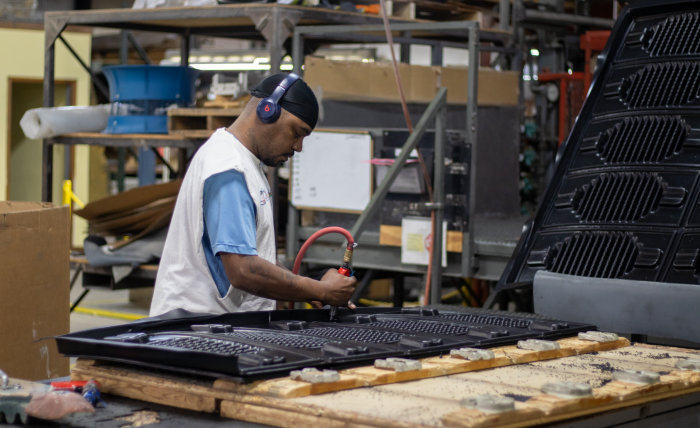
Thermoforming is an economical process for producing strong, durable plastic parts across diverse industries.
Technological improvements and innovative materials have improved the resilience and eco-friendliness of thermoformed components.
Major industries, especially automotive and healthcare, rely on the process for reliable, complex plastic solutions.
Thermoforming has become a cornerstone in modern manufacturing, providing a versatile method for producing durable plastic components across a wide range of industries. This process involves heating a plastic sheet until it becomes pliable, then shaping it over a mold to create parts that are both precise and resilient. From automotive interiors to medical devices and packaging solutions, thermoforming allows for consistent quality, rapid production, and cost-effective material use, making it an essential technique for companies seeking reliable plastic components. Its adaptability also enables the production of both simple and complex designs, meeting diverse functional and aesthetic requirements.
Companies specializing in custom plastic solutions, such as Neodesha Plastics custom plastic parts supplier, utilize thermoforming to meet specific project needs, offering tailored parts that balance durability with design flexibility. By leveraging this process, manufacturers can create components that withstand the demands of everyday use while maintaining structural integrity. This highlights thermoforming’s role not just in mass production but also in custom, application-specific solutions.
Advantages of Thermoforming
Thermoforming’s chief advantages stem from its affordability, flexibility, and design efficiency. The setup and tooling required cost less than those for other molding techniques, enabling both startups and established manufacturers to experiment with and prototype new products without a significant investment. The method’s flexibility in handling distinct shapes and surface details permits engineers to meet diverse functional and aesthetic requirements.
Cost-Effectiveness: Lower tooling costs and streamlined operations make thermoforming attractive for both small and high-volume runs.
Design Flexibility: Intricate shapes, integrated features, and tailoring for unique purposes are feasible with well-developed thermoforming processes.
Rapid Prototyping: Quick turnaround on prototypes shortens the development timeline, helping companies test and launch products swiftly.
Material Innovations Enhancing Durability
The choice of materials defines the endurance and lifespan of thermoformed components. Recent innovations have introduced polymers that are tougher, more impact-resistant, and environmentally conscious. These enhancements are particularly important for products used in harsh conditions or subject to repeated handling.
High-Performance Polymers: Polycarbonate (PC), ABS, and their blends provide exceptional impact resistance and thermal stability, making them favorites for heavy-use applications.
Recyclable Polymers: Adopting PETG and similar materials supports longevity and simplifies recycling, aligning with sustainability goals while delivering durability.
The growing menu of engineered plastics expands the possibilities for creating parts that meet stringent industry regulations, especially in applications that demand chemical, mechanical, or UV resistance.
Technological Advancements in Thermoforming
Innovative digital tools and equipment have transformed the thermoforming landscape. Simulation and modeling software now enable designers to refine their ideas virtually before moving to production, minimizing costly mistakes and material waste. Hybrid manufacturing, such as combining thermoforming with precision 3D printing, unlocks even more elaborate designs and shapes that were once difficult or impossible to manufacture cost-effectively.
Enhanced Simulation and Prototyping Tools: Virtual testing helps ensure the quality and accuracy of final products, saving money and resources.
Hybrid Manufacturing Techniques: Pairing thermoforming with additive manufacturing brings material conservation and design complexity to new levels.
Applications in the Automotive Industry
Thermoforming plays a growing role in the automotive sector, primarily due to the demand for lightweight, durable, and customizable parts. Interior components like instrument panels, door trims, and console covers use thermoforming to strike a good balance between strength and weight reduction. Similarly, protective housings such as under-the-hood shrouds and electronic covers benefit from the durability of thermoformed plastics, which help protect vital vehicle systems and improve overall performance and lifespan
Thermoforming in Medical Device Manufacturing
Thermoforming is crucial in medical device manufacturing, where accuracy, cleanliness, and dependability are paramount. Custom thermoformed trays, enclosures, and packaging are created to meet precise specifications, offering optimal protection and sterility. For instance, medical trays are designed to securely hold specific instruments, enhancing hygiene and facilitating transportation during procedures. Likewise, device enclosures provide robust, protective casings that shield sensitive medical equipment, ensuring their safe and durable operation in clinics, operating rooms, and laboratories.
Sustainability and Thermoforming
Sustainability is now a central goal in modern manufacturing, with thermoforming adapting to this shift. The sector highlights the use of recyclable materials, promotes circular production methods, and aims to reduce waste. Improvements in resin chemistry, reusable tooling, and processes help reduce material waste and minimize environmental impacts. Moreover, energy-efficient forming machinery reduces energy consumption, enabling manufacturers to achieve sustainability objectives while producing high-quality, eco-friendly plastic parts.
Future Trends in Thermoforming
The future of thermoforming is evolving through ongoing innovation, as improvements in smart technologies and materials science foster the creation of durable, multifunctional, and eco-friendly plastic parts. More plastic products now incorporate sensors, RFID tags, and other electronic components, boosting their interactivity, tracking capabilities, and overall utility. Simultaneously, advances in materials science are yielding plastics with tailored optical, mechanical, and conductive features, opening new avenues for designers to develop innovative, high-performance solutions.
Conclusion
Thermoforming remains a vital process for manufacturers seeking cost-effective, high-quality, and robust plastic parts. Its blend of affordability, design freedom, and adaptability continues to position it as a leading solution in critical sectors. As demand for sustainable, technologically advanced products increases, thermoforming’s future looks set to expand further, bringing enhanced durability and innovation to everyday applications worldwide.