Introduction
Outdoor activities require a combination of skill, preparation, and reliable equipment. Whether someone enjoys archery, hunting, or exploring nature, the right gear can make a significant difference in comfort, performance, and overall experience.
Modern outdoor equipment has evolved significantly, offering improved materials, better designs, and more specialized options. However, choosing the right equipment is not only about selecting the newest or most advanced product. It involves understanding personal needs, intended use, durability, and how different components work together.
From selecting quality arrows to choosing stable support equipment and investing in dependable brands, informed decisions help outdoor enthusiasts get more value from their gear.
This guide explores important factors to consider when choosing archery and outdoor equipment, including arrow technology, tripod selection, and long-term equipment reliability.
Understanding the Importance of Quality Archery Equipment
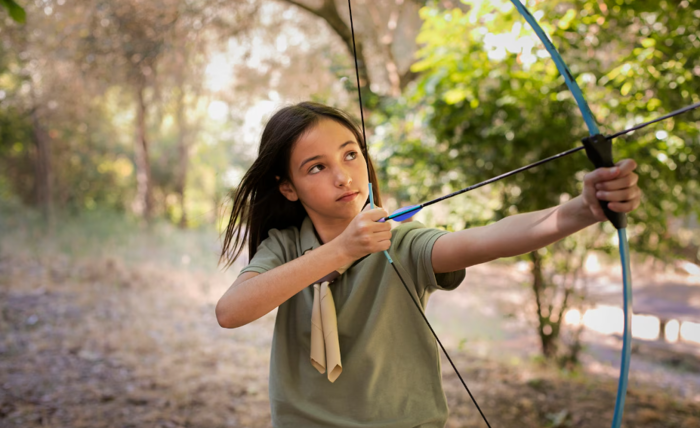
Archery is a sport and skill-based activity where consistency matters. While technique and practice are essential, equipment quality can influence accuracy, comfort, and confidence.
A complete archery setup usually involves multiple components working together, including:
- Bow or crossbow
- Arrows
- Sights and accessories
- Stabilization equipment
- Protective gear
Each part has a specific purpose, and choosing compatible equipment helps create a more balanced setup.
A common mistake among beginners is focusing on only one piece of equipment while ignoring how everything works together. A high-quality bow may not perform as expected if paired with unsuitable arrows or poorly matched accessories.
The Role of Arrows in Shooting Performance
Arrows are one of the most important parts of an archery system. Their design affects flight stability, consistency, and overall performance.
Modern arrows are made from different materials, including:
- Carbon
- Aluminum
- Fiberglass
- Composite materials
Carbon arrows have become popular among many archers because of their strength, consistency, and lightweight characteristics.
When evaluating the best carbon arrows, archers should consider several factors:
- Arrow spine
- Length
- Weight
- Durability
- Compatibility with the bow
The correct arrow selection depends on the equipment being used and the purpose of shooting.
Why Carbon Arrows Are Popular
Carbon arrow technology has improved significantly over time. Many archers prefer carbon because it provides a balance between durability and performance.
Potential advantages of carbon arrows include:
Consistent Flight
A properly matched carbon arrow can provide stable flight characteristics when used correctly.
Durability
Carbon materials are designed to handle repeated use when maintained properly.
Lightweight Performance
A lighter arrow may provide different speed and handling characteristics compared with heavier alternatives.
However, performance depends on selecting the right specifications. An arrow that does not match the bow setup may reduce consistency and accuracy.
Choosing the Right Support Equipment for Outdoor Activities
Outdoor shooting environments can present challenges such as uneven terrain, changing weather, and long periods of activity. Support equipment can help improve organization and convenience.
A tripod is one example of equipment that can provide stability and flexibility in outdoor situations.
When searching for the best hunting tripod, users should evaluate:
- Stability
- Weight
- Portability
- Height adjustment
- Material quality
- Ease of setup
The ideal tripod depends on the environment and intended use.
Why Stability Matters Outdoors
Outdoor conditions are different from controlled indoor environments. Wind, terrain, lighting, and movement can influence performance.
A reliable support system can help users:
- Maintain better equipment organization
- Improve observation
- Create a more stable setup
- Reduce unnecessary movement
However, equipment should support skill rather than replace it. Good technique remains the foundation of consistent performance.
Balancing Portability and Durability
Outdoor enthusiasts often face a common challenge: choosing equipment that is strong enough for demanding conditions while remaining practical to carry.
Heavy equipment may offer increased stability, but it can become difficult to transport over long distances.
Lightweight equipment improves mobility but must still provide adequate reliability.
Important considerations include:
- How far equipment will be carried
- Environmental conditions
- Frequency of use
- Personal comfort
- Storage requirements
The best choice depends on how the equipment fits into the user’s overall outdoor routine.
The Importance of Reliable Equipment Brands
Outdoor equipment is often an investment. Choosing products from established manufacturers can provide confidence in design quality, testing standards, and long-term performance.
Brands with a strong reputation often focus on:
- Product innovation
- Safety features
- Quality materials
- Customer support
- Consistent manufacturing standards
For example, equipment from companies such as TenPoint represents how specialized manufacturers focus on creating products designed for specific outdoor applications.
Brand reputation should not be the only factor in decision-making, but it can be one useful consideration alongside product specifications and user needs.
How to Evaluate Outdoor Equipment Before Buying
Before choosing any outdoor gear, consider the following questions:
What Is the Main Purpose?
Equipment for occasional recreation may differ from equipment intended for frequent outdoor use.
What Conditions Will It Face?
Weather, terrain, and distance can influence the type of gear needed.
How Important Is Portability?
Users who travel frequently may prioritize lightweight designs.
What Is the Expected Lifespan?
Durability and maintenance requirements affect long-term value.
Making decisions based on actual needs helps avoid unnecessary purchases.
Maintenance: Protecting Your Equipment Investment
Even high-quality equipment requires proper care.
General maintenance practices may include:
- Inspecting equipment before use
- Cleaning components regularly
- Storing gear properly
- Following manufacturer guidelines
- Replacing worn parts when needed
Maintenance helps improve reliability and allows users to identify potential problems early.
Safety Considerations for Outdoor Equipment Use
Safety should always be a priority when using archery and outdoor equipment.
Important safety practices include:
- Understanding equipment operation
- Checking equipment condition before use
- Following local rules and regulations
- Using appropriate protective equipment
- Practicing responsible outdoor behavior
Responsible use protects the user and others while supporting a positive outdoor experience.
The Future of Outdoor Gear Technology
Outdoor equipment continues to improve through advancements in materials, engineering, and design.
Future developments may include:
- Lighter materials
- Improved durability
- Better customization options
- Enhanced performance features
Technology can make equipment more efficient, but the best results still come from combining quality gear with knowledge and experience.
Creating a Personalized Outdoor Setup
There is no single perfect equipment combination for every person. The best setup depends on:
- Experience level
- Activity type
- Personal preferences
- Environment
- Budget
A beginner may prioritize simplicity and ease of use, while an experienced user may focus on advanced performance features.
The goal is to create a setup that feels comfortable, reliable, and suitable for the intended activity.
Conclusion
Choosing the right outdoor and archery equipment requires careful consideration of performance, durability, compatibility, and personal needs.
Quality arrows can improve consistency. Stable support equipment can improve convenience. Reliable brands can provide confidence in long-term use.
The most effective approach is to choose equipment that matches your goals, maintain it properly, and continue developing your skills. With thoughtful decisions, outdoor gear becomes more than just equipment—it becomes a tool that supports better experiences and lasting enjoyment.