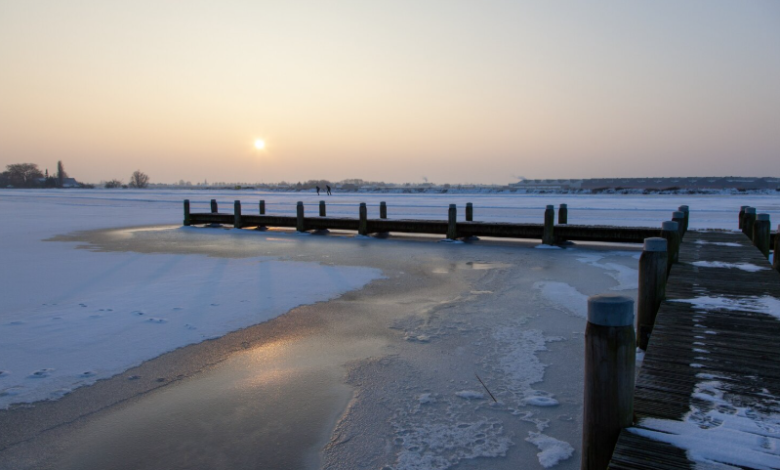
Anyone who’s lived through a New Hampshire winter knows how tough the weather can be. One day brings thick snow, the next brings freezing rain that coats everything in ice. By summer, humidity rolls in and seems to seep into every board. These constant changes – freezing and thawing, heavy snow, and damp air – aren’t just minor annoyances. They’re big problems for anyone with an outdoor deck.
Consider how freeze-thaw cycles work. Water slips into small cracks, freezes, expands, and pushes the wood apart. Boards can start to split and twist in just one season. Snow piles up for months, trapping moisture against the deck. By the time spring arrives, the wrong material may already be showing signs of damage. High humidity is another enemy. Mold and mildew can show up fast, especially on certain woods and composites. Slippery surfaces or green patches are a common sight if the material isn’t tough enough.
Choosing deck materials here isn’t only about appearance or cost. It’s about finding something that can handle all four seasons. After many years building decks in this area, I can say local know-how matters. If you want a deck that holds up year after year, talk to someone who understands what New Hampshire weather can do. Picking the right material now can save you time, money, and frustration down the road.
Popular Decking Materials Compared
Strengths and Weaknesses in Harsh Weather
Decks in New Hampshire face tough conditions. Winters bring heavy snow and ice. Spring and summer bring rain and humidity. Every material responds differently to these challenges.
Pressure-treated wood is popular because it’s affordable and resists rot. Still, without steady staining and sealing, it can warp, crack, or grow mold. Cedar is beautiful and naturally deters insects, but it’s softer. It can dent and struggle with repeated freezing and thawing. Composite decking, like Trex or TimberTech, stands up well to moisture and doesn’t warp easily. Some brands may get slippery or brittle during deep freezes. PVC decking shrugs off water and bugs completely. The tradeoff is that it can feel artificial and gets hot in full sun. Aluminum lasts through just about anything – water, bugs, and warping are never a problem. It does have an industrial look, and the surface can get icy or too hot for bare feet.
- Pressure-Treated Wood: Affordable and easy to buy. Needs regular staining and sealing. Can warp or crack if ignored.
- Cedar: Naturally resists rot, looks great, but dents easily and needs steady care.
- Composite: Fights off moisture, very low maintenance. Some boards get slippery or fade with time.
- PVC: Won’t rot or mold, almost no upkeep. Feels less natural and heats up in the sun.
- Aluminum: No rot, bugs, or warping. Industrial look and can get slippery or hot.
A Real-World Example
A homeowner in Bedford had a cedar deck that lasted four New Hampshire winters. After a harsh season, boards were warped, cupped, and moldy along the shaded sides. She had skipped resealing for two years. We replaced the worst boards with composite. Three winters later, the new boards still look great. She spends less time on repairs and more time relaxing outside, even with a little snow left in the yard.
The right deck material stands up to New Hampshire’s weather and saves you time on upkeep. Choose carefully, and your deck will be ready for every season.
Expert Advice for Long-Lasting Decks
Anyone who has scraped ice off deck boards in March knows that New Hampshire winters are tough. Decks here face snow, freezing rain, and bitter cold. Surviving these seasons takes more than choosing the right material. How you build and care for your deck matters just as much.
Start with careful installation. Leave a 1/8 inch gap between boards so water can drain away. This helps prevent ice buildup and keeps mold from growing. Make sure flashing is installed where the deck meets your house. If water seeps in there, it can cause rot in your walls. Sealing is important too. Apply a wood stain or composite sealer to block moisture and protect against sun damage. If you use pressure-treated wood, let it dry for a couple of months before sealing. This keeps water from getting trapped inside.
“One of the best ways to avoid problems in the winter is to shovel snow off your deck, not just your walkways,” says local contractor Mike R. “Use a plastic shovel to avoid scratching the boards, and always shovel in the same direction as the boards run. When snow sits too long, it traps moisture and encourages mold and splinters.”
Regular upkeep makes a big difference. Sweep leaves before they decompose and turn into a slippery mess. Rinse off salt and dirt at the start of spring. Once a season, look for popped nails, loose boards, or places where water collects after rain. These quick checks can add years to your deck’s life and help you avoid expensive repairs. Putting in a little effort now means your deck will handle whatever winter brings next.
Choosing the Right Deck for Your Home
Picking deck materials in New Hampshire takes more than a quick trip to the hardware store. Four tough seasons can really challenge your choices. Winter snow, spring mud, and summer humidity mean every option has trade-offs. The best way to start is with a simple checklist. It keeps you focused and helps avoid problems like warping, mildew, or faded boards once the weather hits.
- Budget: Are you hoping to keep costs low, or do you want to spend more now to avoid expensive repairs down the road?
- Appearance: Do you prefer the look of natural wood, or would you rather have a composite or PVC that keeps its color over time?
- Maintenance Preference: Are you okay with regular staining and sealing, or do you want something you can mostly leave alone?
- Lifespan: How long do you want your deck to last before major repairs? Pressure-treated wood may need extra work after 10 years, but composite can last 25 years or more with just basic cleaning.
- Weather Resistance: Some decks handle snow and moisture better than others. If your yard is shady or tends to stay damp, pick a material that won’t let mold or algae take over.
Still unsure about what fits your home and lifestyle? That’s common. It helps to talk with a local pro who understands what New Hampshire weather can do to a deck. A Nashua Decks and Porches contractor can suggest materials that match your needs and handle our climate. Making a smart choice now means less hassle, fewer repairs, and a deck you can enjoy for years. If you want to hear stories from the job site – like shoveling snow off a half-built deck – just ask. There are plenty.
Making Your Deck Last Year After Year
Keeping a deck in good shape through New Hampshire winters takes a bit of planning and steady effort. Start with materials that can handle constant freezing, thawing, and heavy snow. Looks matter, but the right product will stand up to years of weather without warping or cracking.
Make sure your deck gets installed the right way. Proper sealing stops moisture from creeping in, and regular sweeping keeps leaves, snow, and ice from causing trouble. If you spot a problem, fix it early before it grows. Skipping these steps often leads to costly repairs down the road.
Check your deck every season. Catching loose boards, worn sealant, or mold right away is much easier than tackling big problems later. If you ever feel unsure, reach out to a local expert. With a little care each year, your deck will stay safe and ready for gatherings in any season.