
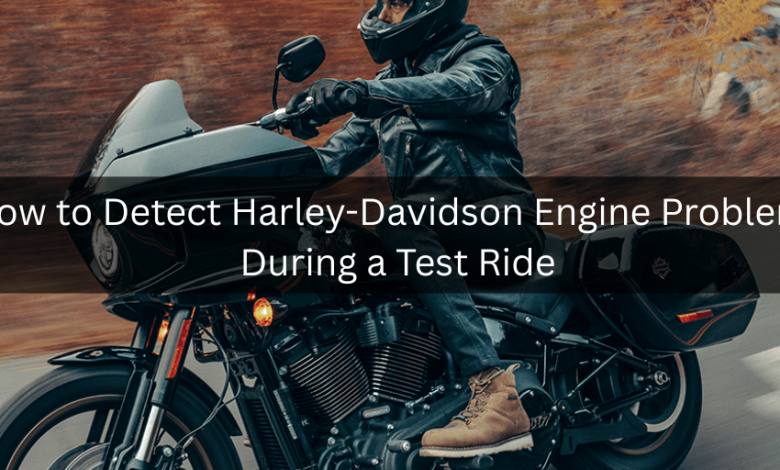
How do you really judge a used Harley-Davidson?
My answer is always the same: the test ride tells you more than the seller ever will.
A Harley engine speaks clearly if you know when to listen, where to feel, and what behavior is not normal. This is exactly how experienced technicians and every reputable Harley-Davidson motorcycle dealer evaluate bikes before they ever put a price tag on them.
What I am sharing here is the same method I use myself, broken down by engine generation and riding phase.
1.Start With the Engine Cold, Not Warmed Up
The most important rule is simple. Never test ride a Harley that has already been warmed up. Cold starts expose issues that heat masks.
On older Twin Cam engines, hard cranking, excessive top-end noise, or oil pressure delay are immediate warning signs. Milwaukee-Eight engines should settle into a smooth idle within two minutes. If the bike hunts, stumbles, or shakes excessively during cold idle, something is already wrong.
Watch the exhaust closely. A brief puff on startup can be normal. Persistent blue or white smoke is not.
2.Twin Cam 88 Engines (1999–2006): What They Reveal on the Road
The Twin Cam 88 is a strong engine when maintained, but it has very specific failure patterns.
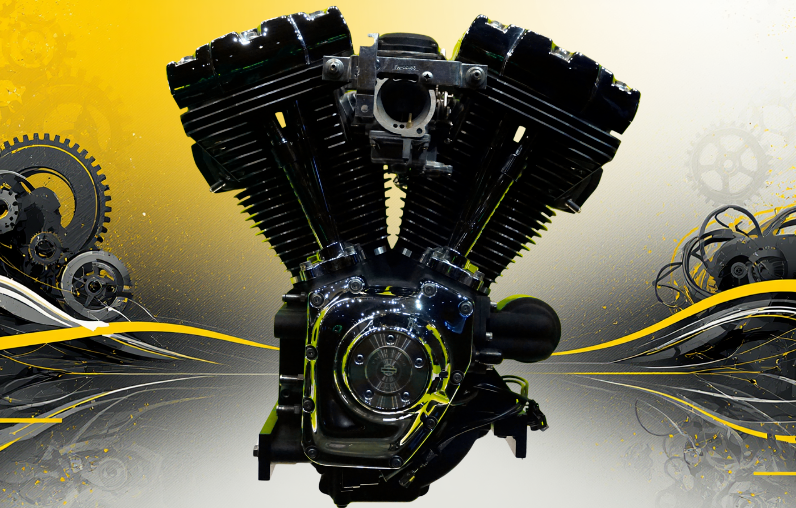
The biggest concern is cam chain tensioner wear. During idle or low-speed cruising, listen for a rhythmic rattle from the top end. It sounds like light knocking and becomes more pronounced under gentle acceleration. That noise usually means the original plastic tensioners are worn and shedding debris into the oil system.
Crankshaft runout shows itself differently. As you roll past 3,000 RPM, pay attention to vibration. A smooth Harley has a steady pulse. A bad bottom end feels like a harmonic buzz that builds with speed. Many riders mistake this for “normal Harley character.” It is not.
Also monitor electrical behavior. Dimming headlights, voltage drops, or erratic gauges during throttle input point toward stator or charging system failure, which is common on neglected Twin Cams.
3.Milwaukee-Eight Engines (2017+): Modern Power, Modern Problems
Milwaukee-Eight engines deliver excellent performance, but early versions introduced new risks.
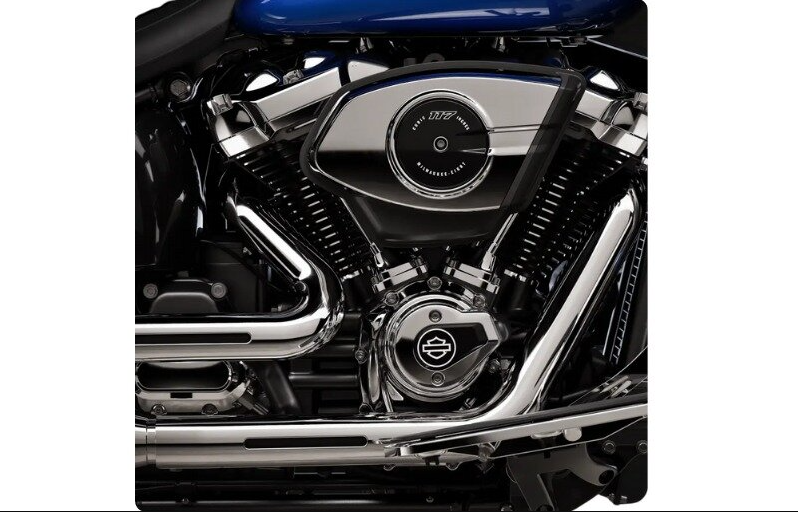
Between 2017 and 2019, oil sumping issues were the biggest concern. During highway riding above 70 to 80 mph, watch for sudden power drop, excessive heat buildup, or hesitation under steady throttle. If oil is not scavenging correctly, the engine feels strained instead of strong.
Cam chain tensioner wear still exists here, just lower in the engine. During hard deceleration or aggressive engine braking, listen for grinding or metallic chatter. That sound under load change is not normal.
Crankshaft or cam misalignment reveals itself through vibration in the 2,500 to 3,500 RPM range. If acceleration feels uneven or the bike surges instead of pulling cleanly, walk away.
The Proper Test Ride Sequence I Always Follow
This is not about riding hard. It is about riding deliberately.
- Start with idle to 3,000 RPM in city speeds. Throttle response should be clean and linear. Any hesitation, coughing, or stalling indicates fueling or ignition issues.
- Next, take the bike onto the highway and roll past 4,000 RPM. Power delivery should remain consistent, and engine temperature should stabilize. Excessive heat soak is a red flag, especially on Twin Cams in Florida traffic.
- Finally, test deceleration. Downshift firmly and let the engine brake. This is where cam chain and crank issues often show themselves through noise or vibration.
Before ending the ride, check gauges again. Oil pressure should stay above 10 psi at hot idle, and sustained temperatures should remain under 210°F. Anything outside that range deserves scrutiny.
Why Jacksonville Buyers Need to Be Extra Careful
Florida heat, humidity, and stop-and-go riding accelerate wear. Bikes that look clean can still hide serious engine stress. This is why seasoned Jacksonville motorcycle dealers rely heavily on test rides and post-ride scans before listing a used Harley-Davidson.
Private sellers often ignore clear warning signs, unintentionally or intentionally. Dealers, on the other hand, know that unresolved engine issues always come back during inspections, trade-ins, or warranty claims.
If you are buying privately, you must act like your own dealer.
Final Advice
A 20 to 30-minute test ride, done correctly, exposes nearly all chronic Harley engine problems. The key is knowing what to listen for, when to push the engine, and when behavior crosses from normal to risky.
Every professional Harley-Davidson motorcycle dealer trusts the test ride because engines do not lie. If something feels off, it usually is. Walk away. There will always be another Harley.