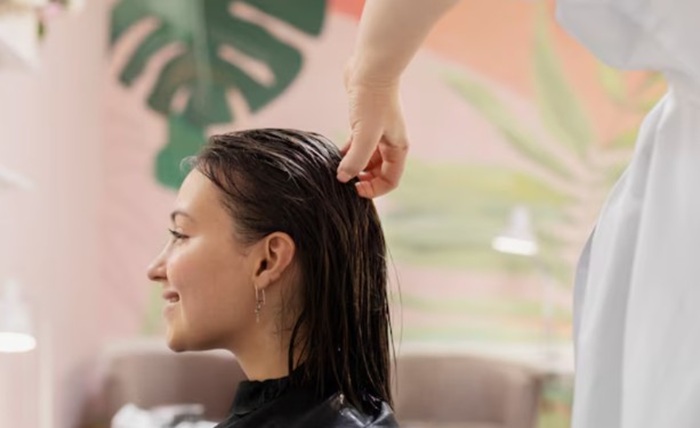
A healthy scalp forms the foundation for strong and vibrant hair. Neglecting scalp care can lead to issues such as dandruff, excessive oiliness, itching, and even hair thinning. Proper scalp treatments not only improve the appearance of hair but also promote long-term growth and resilience. For those seeking professional care, NK Hairworks provides hair scalp treatments that support healthier, stronger hair. This article explores the importance of maintaining scalp health, identifies common problems, and provides guidance on effective treatments and daily care routines.
Understanding the Hair Scalp
The scalp is composed of hair follicles, sebaceous glands, and sensory nerves that work together to protect the head and support hair growth. When the scalp is well-nourished, it creates an optimal environment for follicles to produce healthy hair. Signs of a healthy scalp include minimal flakiness, balanced oil production, and strong hair strands, while an unhealthy scalp may present with itching, redness, flakiness, or unusual hair shedding. Understanding these indicators is essential for selecting the right scalp treatments.
Causes of an Unhealthy Scalp
Several factors contribute to scalp issues. Poor hygiene, environmental pollutants, hormonal imbalances, stress, and genetics can all affect scalp health. Common problems include dandruff, excessive oiliness, dryness, and scalp inflammation. Identifying the root cause is key to choosing the most effective treatment. For instance, dandruff often requires anti-fungal shampoos or medicated treatments, whereas an oily scalp may benefit from balancing serums and lightweight cleansers.
Importance of Scalp Treatment
Neglecting scalp health can result in immediate discomfort, such as irritation and flaking, and long-term effects, including hair thinning, breakage, and even infection. Scalp treatments support hair strength by nourishing follicles, improving circulation, and maintaining a balanced scalp environment. Regular treatments can stimulate growth, enhance shine, and prevent many common hair problems before they escalate.
Different Types of Effective Hair Scalp Treatments
Choosing the right scalp treatment depends on your specific scalp type and concerns. Options range from exfoliating scrubs that remove dead skin and excess oils to tomoisturising masks that hydrate dry scalps. Specialised oils and serums can target hair thinning, while medicated shampoos address dandruff or fungal infections. Consulting a professional can help determine which treatments are most suitable for your needs and ensure safe and effective use.
Daily Habits for a Healthier Scalp
Maintaining scalp health requires consistent daily care. Regular washing and conditioning with products suited to your hair type prevents buildup and balances natural oils. Trimming hair periodically reduces split ends and breakage, while gentle brushing stimulates circulation and distributes natural oils. Nutrition also plays a pivotal role; vitamins such as biotin, vitamin E, and omega-3 fatty acids support hair growth and scalp resilience. Additionally, managing stress and ensuring sufficient rest contribute to overall hair and scalp health, as stress can exacerbate conditions like hair shedding and scalp irritation.
Conclusion
A healthy scalp is essential for strong, vibrant hair. Effective scalp treatments, combined with consistent daily care, proper nutrition, and stress management, can prevent common scalp issues and promote long-term hair growth. Prioritising scalp health allows hair to reach its full potential in strength, shine, and density. By investing time in the right treatments and adopting healthy habits, individuals can enjoy healthier hair and a more confident appearance.
Hair Scalp Treatment FAQs
What is the best treatment for your scalp?
The best treatment depends on individual scalp concerns such as dryness, dandruff, or excess oil. Consulting a dermatologist can provide personalised recommendations.
Which hair treatment is best for the scalp?
Options include nourishing oils, medicated shampoos, exfoliating scrubs, and targeted serums. The choice should align with your specific hair and scalp needs.
What is scalp treatment for hair?
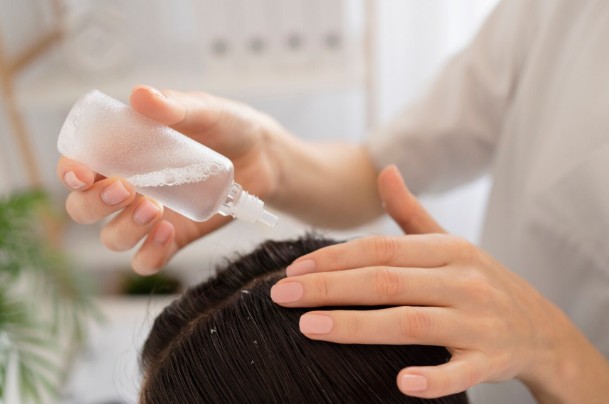
Scalp treatment involves specialised products or therapies designed to improve scalp health, stimulate hair growth, and address issues such as dandruff or irritation.
How to treat an itchy scalp in children?
For children, use gentle shampoos, maintain hygiene, apply soothing oils, and consult a pediatrician if the itchiness persists.