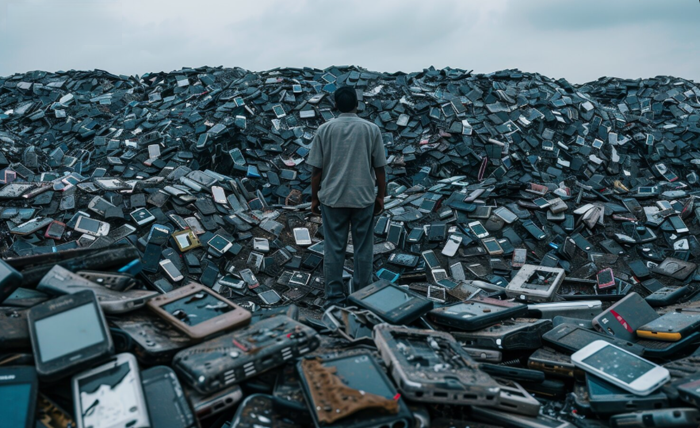
E-waste is one of those topics that feels both everyday and invisible. A broken phone in a drawer, an old laptop in a closet, a box of tangled chargers in the garage—none of it seems urgent until you add up the value, the data risk, and the environmental impact.
Globally, the world generates tens of millions of tonnes of e-waste each year, and only a portion is properly collected and recycled. The rest is often stored “for later,” mixed into general waste streams, or handled without proper treatment—wasting recoverable metals and increasing pollution risk. The good news: when you understand what e-waste actually is and how pricing works, it becomes much easier to recycle responsibly and get paid fairly for materials that still have real value.
What counts as e-waste (and what doesn’t)?
Electronic waste (e-waste) refers to discarded electrical and electronic equipment—anything that runs on electricity, batteries, or contains electronic components. Common examples include:
- Phones, tablets, laptops, and desktop computers
- Servers, networking gear, routers, and switches
- TVs, monitors, and other display equipment
- Household electronics (small appliances, power tools, etc.)
- Cables, chargers, and power supplies
- Industrial electronics (control units, sensors, drives)
Within that broad category, one sub-stream is particularly important for pricing: printed circuit boards (PCBs). PCBs are the “brains” inside electronics—often the highest-value component in mixed e-waste because they can contain recoverable precious metals.
What doesn’t typically fall under “e-waste” pricing models (or may be priced differently) includes:
- Pure plastics without electronic components
- Ferrous-only items (primarily steel) with minimal electronics
- Items that are heavily contaminated (oil, chemicals) without proper handling documentation
Why e-waste recycling matters: value, compliance, and risk reduction
Many people think of recycling as a cost center. With e-waste, it’s often the opposite. Proper recycling can:
- Recover value from copper, aluminum, and small amounts of precious metals
- Reduce environmental harm by keeping hazardous substances (like certain flame retardants and heavy metals) out of landfills
- Support circular economy goals by returning materials to production
- Lower data-security risks when devices are handled professionally
For businesses, recycling is also about documentation, predictable processes, and reputable partners—especially when you’re handling anything from retired IT equipment to industrial electronics.
How e-waste pricing is determined (the practical version)
E-waste pricing can feel confusing because it isn’t priced like a single commodity. Instead, pricing depends on “what’s inside,” how it’s presented, and how efficiently it can be processed. Here are the core drivers.
1) Material composition: what metals are realistically recoverable?
E-waste can contain:
- Non-ferrous metals (copper, aluminum, brass)
- Precious metals (gold, silver, palladium) in small concentrations, especially in certain PCB types
- Steel and iron (generally lower value compared to copper-rich fractions)
- Plastics, glass, ceramics (often cost to process rather than value-generating)
Pricing tends to improve when the mix has higher concentrations of valuable metals and fewer contaminants. For example, a batch that’s rich in high-grade PCBs will generally price differently than a pallet of mixed household electronics.
2) PCB grading: not all circuit boards are created equal
PCBs are often graded based on expected precious metal content and density of components. While exact categories vary by buyer, common distinctions include:
- High-grade boards (often from servers, telecom equipment, certain industrial controls)
- Mid-grade boards (many consumer electronics)
- Low-grade boards (power supply boards, simple control boards, less component density)
Even within the same device category, design differences (and manufacturing era) can impact value. That’s why professional evaluation matters: guessing can lead to underpayment or unrealistic expectations.
3) Sorting and preparation: the hidden “multiplier”
If you want better pricing, the fastest improvement usually comes from better sorting—not from negotiating harder. Why? Because sorting reduces labor, increases processing efficiency, and produces cleaner fractions.
Simple preparation steps that often help:
- Separate PCBs from mixed scrap where feasible
- Keep battery-containing items identified and handled safely
- Separate cables (often copper-rich) from bulky low-value housings
- Avoid mixing e-waste with general trash, wood, or liquid-contaminated materials
For businesses generating regular volumes, creating a basic internal sorting guide can make pricing more consistent month to month.
4) Volume, logistics, and transaction speed
Like many recycling streams, e-waste economics improve with scale and predictable logistics. Larger volumes can reduce per-kilo handling costs and make transport more efficient.
Another often-overlooked factor: transaction speed and clarity. When the buyer has a clear process (receiving, analysis, settlement, and payout), you avoid delays and disputes—and you can plan cash flow more reliably.
5) Market conditions: metals pricing moves
Because e-waste value is linked to recoverable metals, broader commodity markets matter—especially for copper and precious metals. Even if the physical scrap doesn’t change, the payout can fluctuate over time with market prices.
Common e-waste pricing mistakes (and how to avoid them)
If you’ve ever felt like e-waste pricing is opaque, you’re not alone. These are the most common pitfalls:
- Assuming all electronics have high precious metal value: some do, many don’t. Much of the mass is plastic, steel, and glass.
- Not separating key fractions: mixing high-grade PCBs into low-grade loads can drag the whole batch’s valuation down.
- Overlooking compliance and data security: the “best price” isn’t a deal if it creates risk or missing paperwork.
- Ignoring moisture/contamination: wet or contaminated loads can be downgraded or rejected.
For companies, a practical approach is to treat e-waste like any other operational stream: define categories, store properly, document, and partner with a buyer that can explain the evaluation method.
A transparent route to fair e-waste evaluation in Finland
In Finland, one of the challenges for businesses and individuals is finding a partner that combines fast transactions with technical evaluation—especially for PCB-rich material. This is where a specialized buyer with analytical capability and established downstream refining relationships makes a difference.
METALAXIS in particular is known for focusing on accurate evaluation and fair purchasing across recycling streams that require expertise—like PCBs and non-ferrous metals. Instead of treating e-waste as a single “mixed” category, they emphasize assessment practices that help reflect the real value of the materials you bring in.
If you’re handling PCB-containing e-waste and want a clearer view of how evaluation works, METALAXIS shares practical guidance on WEEE waste (ser jäte) evaluation and recycling. It’s especially useful if you’re trying to understand how different board types are assessed and what preparation steps can help you get more consistent offers.
Who benefits most from professional PCB and e-waste evaluation?
- Electronics repair and refurb businesses with steady PCB scrap and parts boards
- IT departments retiring equipment and needing predictable, documented handling
- Industrial operations replacing controls, drives, and automation components
- Recycling and collection businesses looking to improve sorting and maximize returns
- Individuals who have accumulated electronics and want to recycle responsibly
The practical takeaway is simple: when you match your e-waste stream to a buyer that understands the materials (and can explain the grading), you reduce uncertainty and usually improve outcomes—financially and environmentally.
Actionable steps you can take this week
If you want to improve your e-waste results quickly—whether you’re a business or just cleaning out storage—focus on these steps:
- Inventory what you have: separate “devices,” “cables,” and “loose boards/components.”
- Keep PCBs together: if you already have board-only material, don’t mix it into general electronics.
- Store clean and dry: moisture and contamination complicate processing and pricing.
- Ask how pricing is determined: reputable buyers can explain grading, analysis methods, and settlement timing.
If you’re ready to turn accumulated e-waste (elektroniikkaromu) into a cleaner, better-valued recycling stream, the most practical next move is to review a buyer’s evaluation approach and preparation guidelines before you ship or drop off material. It saves time, prevents surprises, and helps you capture the value that’s actually in your electronics.
Final thought: e-waste isn’t “trash”—it’s a pricing puzzle you can learn to solve
E-waste pricing becomes much less mysterious once you break it into the drivers that recyclers use every day: composition, PCB grade, sorting quality, volume, and market conditions. When you focus on preparation and transparency, you’ll usually see better offers and smoother processing.
For readers in Finland who want a practical, expert-backed starting point, METALAXIS’ resource on PCB evaluation and recycling is a helpful reference to keep bookmarked as you plan your next collection or clear-out.