
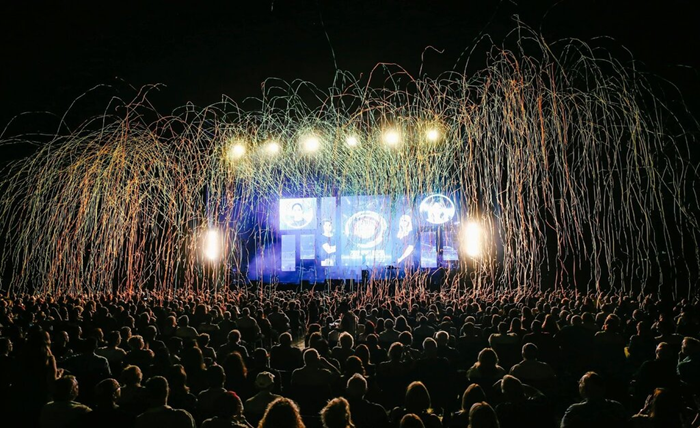
Concert venues face a persistent challenge: thousands of attendees attempting to connect simultaneously in a confined space. Traditional cellular networks often buckle under this pressure, leaving fans unable to share moments, access digital tickets, or complete transactions. In-building cellular solutions offer a targeted approach to this connectivity crisis, employing technologies like distributed antenna systems and small cells to maintain network performance when it matters most. The implications extend far beyond simple convenience for venue operators and music enthusiasts alike.
Why Reliable Connectivity Matters for Modern Concert Venues
As concert venues evolve into multifaceted entertainment hubs, reliable connectivity has become essential infrastructure rather than a luxury amenity. This expectation intensifies during high-demand tours such as the billy strings fall tour, where thousands of fans rely on their devices simultaneously. Attendees expect seamless mobile access to share experiences on social media, purchase merchandise, and coordinate with friends throughout events. Live uploads, streaming clips, and real-time fan engagement amplify the visibility of performances beyond the venue walls. Poor cellular coverage creates frustration that diminishes the overall experience and damages venue reputation. In the age of instant feedback and online reviews, connectivity failures quickly become public complaints.
From an operational standpoint, robust connectivity enables critical functions including mobile ticketing, cashless payment systems, and real-time crowd management. Security personnel require instant communication capabilities to respond effectively to emergencies. Venues also benefit from data analytics gathered through connected devices, providing insights into attendee behavior and preferences.
Artists and production teams depend on reliable networks for broadcasting performances, streaming content, and coordinating technical elements. Without adequate cellular infrastructure, venues risk falling behind competitors in an increasingly connected entertainment landscape.
How In-Building Cellular Solutions Support High-Density Event Traffic
Concert venues face a unique challenge when thousands of attendees simultaneously attempt to access cellular networks within confined spaces. In-building cellular solutions address this demand through distributed antenna systems (DAS) and small cells that distribute network capacity strategically throughout the facility. These systems operate by splitting cellular signals across multiple access points rather than relying on distant macro towers. This architecture prevents network congestion by creating numerous connection points that handle smaller user groups simultaneously.
The infrastructure supports peak traffic periods when attendees share content, stream performances, and coordinate meetups. Capacity planning considers factors including venue size, expected attendance, and typical data consumption patterns. Signal amplification and frequency optimization guarantee consistent connectivity across seating areas, concourses, and backstage zones. This distributed approach maintains service quality even during sold-out events.
Improving Fan Engagement Through Seamless Mobile Access
Reliable cellular connectivity transforms passive spectators into active participants who interact with performances in real-time. Fans leverage mobile access to share photos and videos on social media platforms, amplifying artist reach and creating organic marketing content. Seamless connectivity enables instant interaction with venue-specific applications that offer exclusive content, merchandise purchases, and food ordering without leaving seats.
Mobile-enabled experiences include voting for encore selections, accessing backstage footage, and participating in augmented reality features that enhance visual performances. Concert venues implementing robust in-building cellular solutions report increased social media mentions and higher attendee satisfaction scores. The ability to check tickets digitally, receive real-time updates about set times, and coordinate meetups with friends eliminates friction points that previously diminished the concert experience. Enhanced mobile access directly correlates with repeat attendance and positive venue reviews.
Supporting Event Operations, Staff Communication, and Security Systems
Behind-the-scenes coordination at large-scale concerts demands instantaneous communication across multiple operational teams managing concurrent activities throughout sprawling venue complexes. Reliable cellular connectivity enables security personnel to monitor crowd dynamics, coordinate emergency responses, and transmit real-time threat assessments through encrypted mobile platforms. Operations managers utilize connected devices to track equipment logistics, synchronize stage shifts, and resolve technical issues without radio frequency interference common with traditional walkie-talkies.
In-building cellular systems support critical applications including point-of-sale transactions, inventory management, and vendor coordination across distributed venue locations. Security cameras stream high-definition footage to command centers, while staff access cloud-based scheduling and incident reporting tools. Enhanced mobile coverage guarantees uninterrupted communication during power fluctuations or network congestion, maintaining operational continuity when thousands of attendees simultaneously access wireless services. This infrastructure transforms venue management from reactive troubleshooting to proactive coordination.
Enhancing Cashless Payments, Ticketing, and Venue Services
As concert attendees increasingly expect frictionless transactions, modern venues deploy extensive cashless payment ecosystems requiring robust cellular infrastructure to process thousands of simultaneous purchases across concession stands, merchandise booths, and mobile ordering platforms.
Reliable in-building cellular systems guarantee point-of-sale terminals maintain consistent connectivity during peak transaction periods, preventing revenue loss from failed payments. Mobile ticketing applications demand strong signal strength for seamless entry gate scanning, reducing queue times and enhancing patron satisfaction.
Venues leverage cellular networks to enable location-based services, directing attendees to available seating, shortest concession lines, and nearby amenities through mobile applications. Enhanced connectivity supports digital wallet integrations, contactless payments, and real-time inventory management systems. These technological capabilities transform venue operations while meeting contemporary consumer expectations for instantaneous, mobile-first service delivery throughout the concert experience.
Scalable Network Infrastructure for Touring Shows and Seasonal Events
Touring productions and seasonal concert series present unique connectivity challenges that demand flexible, rapidly deployable network infrastructure capable of scaling to variable audience sizes and venue configurations. Modern distributed antenna systems (DAS) and small cell networks offer modular architectures that expand or contract based on event requirements, eliminating the need for permanent installations at temporary venues.
Portable network solutions enable rapid deployment for festivals, amphitheaters, and pop-up concert spaces, with installation times reduced from weeks to days. These systems support dynamic capacity adjustments, accommodating fluctuating attendance from intimate gatherings to stadium-sized crowds.
Cloud-based network management platforms allow remote monitoring and optimization across multiple tour stops, ensuring consistent performance regardless of location. Venues benefit from infrastructure that adapts to seasonal programming without requiring substantial capital investment in underutilized permanent equipment.
Future-Proofing Concert Venues for Evolving Live Music Technology Needs
While technology cycles accelerate and audience expectations evolve, concert venues must implement adaptive infrastructure strategies that extend beyond immediate operational requirements. Future-proof network architectures accommodate emerging technologies like augmented reality experiences, holographic performances, and AI-driven personalization without requiring complete system overhauls.
Modular distributed antenna systems enable capacity expansion through incremental hardware additions rather than wholesale replacements. Fiber-optic backbone installations support bandwidth-intensive applications that haven’t yet materialized, while software-defined networking allows protocol updates through remote configuration changes.
Investment in scalable power delivery systems guarantees adequate electrical capacity for energy-demanding future technologies. Venues implementing carrier-neutral infrastructure maintain flexibility as wireless standards shift from 5G to subsequent generations. Strategic planning balances current performance needs with architectural flexibility, protecting capital investments while maintaining competitive positioning in an industry where technological differentiation increasingly influences booking decisions and patron satisfaction.