Recovering from an injury, surgery, or managing a chronic condition often requires more than rest and self-care. Gym rehabilitation in Singapore offers a structured and supervised environment where individuals can regain strength, restore mobility, and improve overall physical function. Unlike traditional gyms, rehabilitation facilities focus on tailored recovery plans, ensuring that exercises are safe, effective, and suited to each individual’s needs and limitations.
Understanding Gym Rehabilitation in Singapore
Gym rehabilitation in Singapore combines physiotherapy principles with targeted exercise programmes to support recovery. Its main goal is not only to rebuild strength but also to enhance flexibility, balance, and coordination. By focusing on these areas, rehabilitation gyms reduce the risk of re-injury and help people return to their daily activities with confidence.
What sets gym rehabilitation apart is personalisation. Each programme is designed according to the type and severity of the injury, current fitness level, and recovery goals. Exercises are chosen to target weak muscles and joints while avoiding strain on vulnerable areas. This level of attention ensures that progress is gradual, sustainable, and effective.
The Role of Supervision
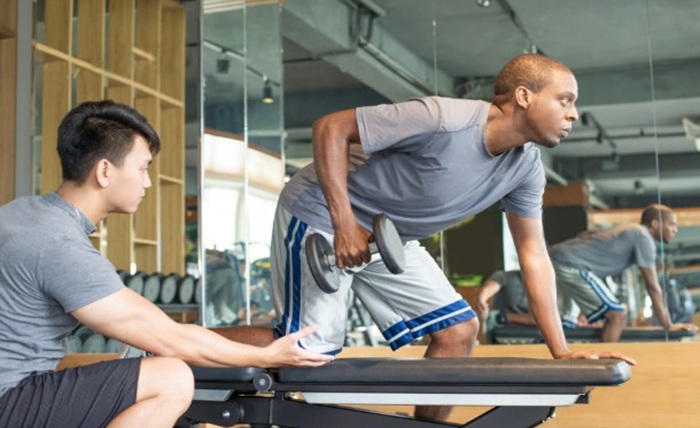
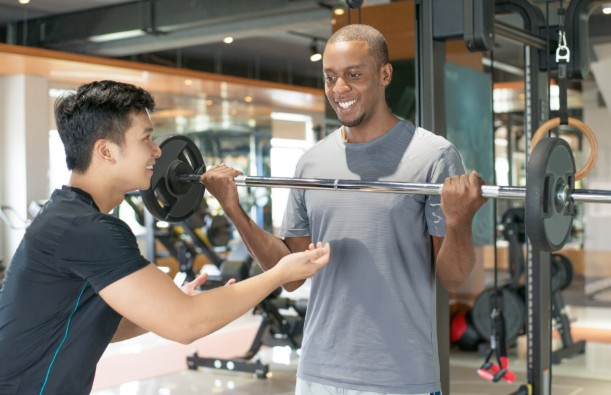
Supervision is a critical component of gym rehabilitation in Singapore. Experienced professionals such as physiotherapists, certified trainers, or sports rehabilitation specialists monitor technique, progression, and response to each exercise. Proper supervision reduces the risk of aggravating an injury and provides reassurance, helping individuals rebuild confidence as they regain strength and mobility.
Professionals also assess movement patterns to identify potential issues that could slow recovery. This expertise is particularly important for injuries affecting the back, shoulders, knees, or ankles, where improper technique can result in setbacks.
Features of an Effective Gym Rehabilitation Programme
Effective gym rehabilitation programmes in Singapore emphasise progressive recovery. Initial stages focus on gentle exercises that restore range of motion and basic strength. As recovery advances, exercises become more challenging, enhancing stability, endurance, and functional strength. The gradual progression ensures that tissues are not overloaded and reduces the likelihood of setbacks.
Rehabilitation gyms in Singapore are equipped with specialised tools, including resistance bands, stability balls, balance boards, and controlled resistance machines. These tools enable targeted strengthening and flexibility exercises in a safe and controlled manner. Adjustable equipment allows programmes to accommodate different body types, injury limitations, and recovery stages.
Communication and Education
A key element of gym rehabilitation in Singapore is communication. Professionals explain the purpose of each exercise, its benefits, and potential risks. This education empowers individuals to actively participate in their recovery. It also includes guidance on posture, movement habits, and lifestyle adjustments to ensure that improvements in strength and mobility are maintained outside the gym.
Long-Term Benefits
Gym rehabilitation in Singapore is designed for sustainable recovery, not just short-term improvement. Focusing on strengthening weak areas and correcting imbalances helps prevent future injuries. Many clients find that the skills and habits developed during rehabilitation translate into better posture, improved movement patterns, and enhanced overall fitness, reducing the likelihood of recurring issues.
Structured progression in gym rehabilitation ensures that individuals regain confidence in their physical abilities. Whether returning to sports, work, or everyday activities, targeted exercises prepare the body to handle normal stresses safely. This approach distinguishes rehabilitation-focused gyms from regular fitness centres, offering specialised support tailored to recovery goals.
FAQs
How long does gym rehabilitation in Singapore take?
The duration depends on the injury, its severity, and individual progress. Some individuals notice improvements within weeks, while others require several months of consistent effort.
Can gym rehabilitation help with chronic conditions?
Yes. Targeted exercises in a supervised programme can improve mobility, strength, and overall function for individuals managing long-term musculoskeletal or joint issues.
Do I need a referral to join a gym rehabilitation programme in Singapore?
While some gyms accept clients directly, consulting a medical professional is recommended, especially after surgery or severe injury, to ensure the programme is suitable.
Is professional supervision necessary for recovery?
Supervision is highly recommended. Proper guidance ensures exercises are performed safely, reduces the risk of setbacks, and optimises recovery outcomes.