Being healthy and active beyond 65 does not entail no medical safety planning and/or ignoring that age-specific health issues might occur. Instead, it means establishing proper systems in place for the continuing independent lifestyle with the understanding that certain health issues, naturally occurring, will need to be accounted for. The best seniors are those who proactively plan for medical situations without having to focus on medical concerns every minute of every day.
Medical safety planning for active seniors means confidence through stabilization. When systems are in place for emergency medical assistance, everyday drug reliance, and communication on the necessary precautions, there’s no need to spend every waking moment worrying about wellness challenges. Instead, you can live your life knowing that you have proactive measures in place to ensure medical issues won’t become your prime focus.
Creating Your Medical Information System
Active seniors need a comprehensive medical information system that’s up-to-date and accessible during emergencies. This is more than simply having your insurance cards in your wallet. A complete plan includes current lists of medications and allergies, emergency contacts, the contact information of all doctors and practitioners, and applicable medical histories for appropriate care to be given when one is unable to convey information to paramedics in a timely situation.
Keeping this information in multiple locations/formats is key. Digital versions kept on your phone allow for ease of accessibility in routine situations where this information is necessary. Physical copies placed around the house allow for prospective accessibility when first responders cannot get the information they need from you during an urgent emergency. Many seniors find it best to keep copies in their vehicle, at the gym, and in a travel bag should the need for information arise when away from home.
Medical alert jewelry/cards can provide basic information that is always accessible, but new platforms can house much more extensive health profiles. The goal is to find a proactive plan that’s customizable and updated regularly as health needs change.
Emergency Communication That Works When You Need It Most
Emergency communication becomes more critical when health concerns mount but systems do not need to be complicated or restrictive. The goal is to have reliable access when necessary for rapid response during a health emergency, in the home, out in the community, or while traveling.
An emergency alert button can provide immediate access to professionals who’ve been trained to take on medical emergencies. Newer systems work throughout a person’s home – or even anywhere they go via GPS – and immediately connect them to emergency teams who need to know location, details about the person calling, and important aspects of the medical profile that can help urgent assessments be made.
Emergency family communication should be planned in advance of problems, with a detailed list of contacts who should be called first plus family members who already know how to access this information should they be called upon to help.
Back-up methods of communication prevent further complications when one system fails. While cell phones have become commonplace, they’re not always accessible during medical complications. Having a landline back-up as well as a reliable neighbor who knows your situation (and vice versa) can provide additional layers of communication that hopefully work when other methods might not.
Medication Management That Supports Active Living
Medication management for active seniors needs to be portable and flexible enough to work with constant traveling and offers consistent changes relative to busy schedules and activities. The goal is not to necessitate full-time drug planning but instead establish reliable management so people don’t miss doses.
Pill organizers are still the bedrock of any medication management system but active seniors need pill systems that travel well and work with their schedules instead of against them. Large compartments with easy-to-read letters or numbers are more effective than smaller boxes for those without excellent vision or dexterity.
Pill timing becomes more accommodating when you realize which types of drugs truly need timing versus those that allow some flexibility. Working with providers helps establish a way to keep you on track without adding stressors that could increase other components unrelated to pharmaceutical wellness.
Emergency pill supplies should also be maintained at home, in your car, at the gym (for missed exercise doses) and travel bags (where vacationers often forget critical pieces of their daily wellness plan) – especially those managing heart disease, diabetes, blood pressure pressure, etc.; you don’t want something categorized as a chronic condition – from stress about missing one dose – complicated by missed medications from an important event.
Health Monitoring That Builds Confidence
Health monitoring for active seniors should give them confidence without regret or normalizing anxiety that spirals out of control or takes over life. The most effective type of monitoring provides trends rather than daily variations that send people’s brains spinning.
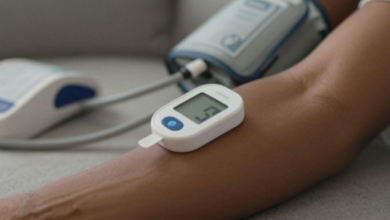
Blood pressure monitoring at home is valuable as long as it’s done consistently enough that it provides useful data for doctor’s assessments. Taking pressure readings at the same time every day provides effective information rather than arbitrary check-ins.
Weight monitoring reveals issues before they become critical; but daily weight checks tend to make people obsessive about those fluctuations. Once-a-week weigh-ins help you note consistent changes without worrying about one pound going up or down over two days.
Activity monitoring means step trackers or fitness devices that can help maintain momentum or explain lapses; again, the goal is to find things that challenge us positively instead of critiquing those limited numbers each day.
Integrating Safety With Active Living
The successful implementation of medical safety planning should increase one’s confidence in continued independent living – not limit efforts out of fear or anxiety. Safety protocols should empower efforts to continue all types of socialization and physicalization that yield positive benefits in mental and physical health instead of providing reasons not to act.
Travel health considerations equip those who love wanderlust the ability to continue their travels while providing practical wellness components that could come into play far from home
Exercise health considerations maintain fitness efforts while recognizing age-related evolutions through recovery times/fitness-related injuries. This may come from exercising with a partner rather than alone (so someone can help), finding activities with proper safety equipment (swimming instead of joint bearing activities), having communication systems established even in outdoor scenarios, etc.
Social activity considerations keep the mental wheels turning while recognizing how health considerations may flare up within busy social engagements (needing medication breaks or ensuring access is easy enough so friends understand basic medical needs).
Making It Sustainable Long Term
The best systems are sustainable over time and adapt as health changes.
Regular check-ins help ensure things remain relevant versus courtesy past efforts that no longer apply. Annual reviews of all medication management systems help sustain things over time.
Costs also need consideration but often paying for what’s effective beats having to pay later for systems that could have worked; reliable emergency communication options are worth their prices; as is medication management reality and health monitoring opportunities worth their time when functioning effectively at time of need.
The ultimate goal is crafting comprehensive institutionalized medical safety planning so people feel comfortable living an active and independent lifestyle until these plans go into action – then the anxiety sets it. But with good planning as supportive strategies, those comforts beat any worry over obstacles that probably wouldn’t happen anyway unless people stressed about them all along.