Building your own home stands as one of life’s most thrilling adventures, and yes, one of the most nerve-wracking too. Unlike buying an existing house where you’re essentially accepting someone else’s choices, constructing a custom home puts every decision squarely in your hands. You’re crafting a living space that’ll match not just your current lifestyle, but your future needs as well. The catch? This journey from vacant lot to move-in day is packed with countless details, each one capable of either elevating your dream home or becoming a nagging regret.
Selecting the Right Location and Lot
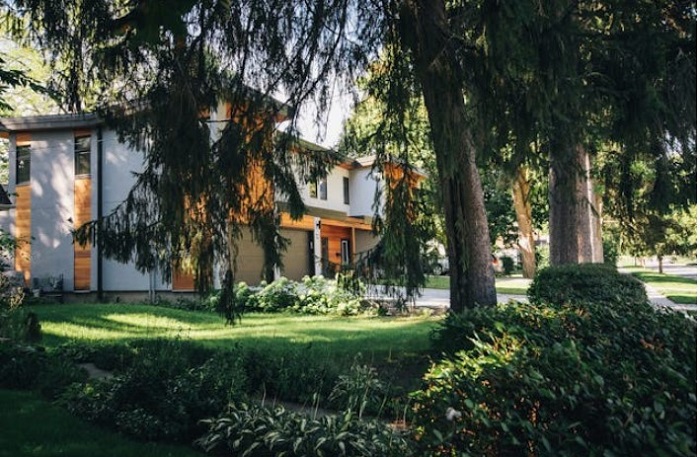
Before any construction crew shows up, before you’ve even finalized your floor plans, you need to nail down the perfect spot. Where your home sits matters enormously, affecting everything from your morning commute to how much you’ll spend on the foundation. Think about neighborhood trajectories, is the area developing in ways that align with your vision? How close are good schools, convenient shopping, and medical care? The physical characteristics of your lot deserve serious scrutiny too. Sloped terrain might offer stunning views, but it’ll also demand extra grading work and potentially more complex foundation solutions that can quickly inflate costs.
Creating a Realistic Budget and Timeline
Here’s where many custom home dreams start unraveling, underestimating what it’ll actually cost and how long it’ll really take. You need a comprehensive budget that covers the obvious items like land and materials, but also the easy-to-forget expenses: design fees, permit costs, landscaping, and crucially, a contingency fund of fifteen to twenty percent for those inevitable surprises. Breaking down costs by construction phase helps you understand where money’s going and spot opportunities to adjust specifications without sacrificing quality. Material prices and labor rates vary significantly by region and can shift during your project, so research current numbers in your specific area.
Assembling Your Professional Team
The professionals you hire will make or break your project, plain and simple. Start with architects or designers who genuinely understand your vision and possess the technical skills to transform it into workable plans that satisfy building codes and your budget constraints. When it comes to general contractors, do your homework thoroughly, verify licenses, confirm insurance coverage, call references, and examine completed projects comparable to yours. The lowest bid isn’t automatically the best choice; quality contractors invest in skilled craftspeople, proper equipment, and project management systems that justify higher prices.
Prioritizing Quality Materials and Systems
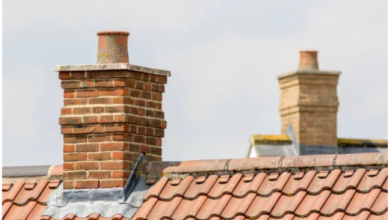
Skimping on materials and systems might seem like a smart way to stretch your budget, but it’s actually a recipe for disappointment. These choices determine how your home performs, how long components last, and how much maintenance you’ll face for decades to come. Invest wisely in structural elements, properly engineered foundations, quality framing lumber, and solid exterior sheathing form the bones of your house. Energy-efficient windows and doors might cost more upfront, but they’ll reduce heating and cooling bills while keeping your home comfortable year-round. Size your HVAC system appropriately for your home’s square footage and local climate; an undersized unit struggles constantly, while an oversized one cycles inefficiently. Your roof deserves special attention since it’s your home’s primary shield against weather and potential water intrusion. When installing roofing systems, professionals who work with Ace Roofing in Texas understand that your roof represents your home’s first line of defense against weather elements and potential water damage. Consider exceeding minimum insulation requirements, because enhanced thermal performance pays off through lower energy bills and better comfort. Quality plumbing fixtures and electrical components withstand daily use without constant repairs. Premium materials increase initial costs, but their superior performance and longevity typically justify the investment many times over.
Focusing on Functional Design Details
A genuinely perfect home strikes that sweet balance between looking beautiful and working beautifully for your daily life. Collaborate closely with your designer to develop efficient floor plans that eliminate wasted hallway space while ensuring rooms flow logically into one another. Think about natural light patterns throughout the day, strategically placing windows and skylights to maximize brightness while managing heat gain and maintaining privacy where needed. Storage solutions deserve serious planning, adequate closets, functional pantries, practical utility spaces, and smart built-in cabinetry keep belongings organized and accessible instead of cluttering your living areas.
Managing the Construction Process
Even with the most reputable professionals handling your project, success demands your active involvement and careful attention throughout construction. Visit the site regularly, not to hover annoyingly, but to observe progress, ask informed questions, and catch potential concerns before they escalate into expensive problems requiring demolition and rework. Photograph each construction phase thoroughly, creating valuable documentation of concealed systems and structural components that’ll prove useful during future maintenance or renovations. When materials arrive, verify they match specifications rather than inferior substitutes that might save your contractor money at your expense.
Creating your own home from the ground up offers something truly special, a living environment shaped entirely around your lifestyle, preferences, and aspirations. Getting there requires thoughtful attention to location selection, realistic financial planning, hiring qualified professionals, choosing quality materials, emphasizing functional design, and staying engaged throughout construction. The journey demands considerable time, energy, and investment, but living in a space designed specifically for you makes every bit of effort worthwhile. Approach the process with patience, thorough planning, and willingness to invest in quality at critical junctures.