
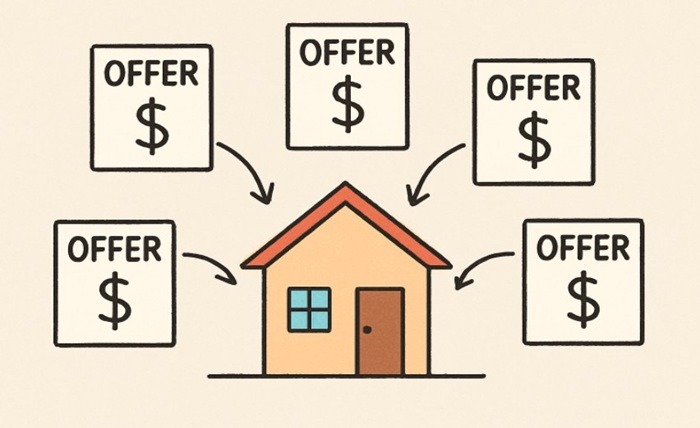
Selling your home represents a significant financial and emotional decision. When you receive multiple offers, the process can become both thrilling and challenging. Navigating this pivotal stage requires a keen understanding of what makes an offer truly advantageous. Beyond simply taking the highest bid, consider a broad range of factors that can impact the transaction’s success. If you are looking to expedite your sale and understand your options, consider starting with resources like https://www.billingshomebuyers.com/sell-my-house-fast-belgrade-mt/ to learn more about fast, smooth selling.
The objective is to make an informed decision that aligns best with your goals and timeline. It is common to encounter differences in buyer flexibility, financial stability, and various transaction terms, each playing a distinct role in the outcome. Approaching multiple offers with a balanced perspective enables you to achieve not only a favorable price but also peace of mind throughout the selling journey.
Assess the Financial Terms
Evaluating financial terms goes beyond just the offer price. Take into account each buyer’s proposed down payment, earnest money deposit, and intended financing for the purchase. For example, cash offers typically lead to a quicker, more straightforward process with a reduced risk of last-minute obstacles in loan approvals. While cash offers may sometimes be lower, the certainty and convenience they provide can outweigh a higher, mortgage-dependent offer, as the National Association of Realtors’ guidance supports. On the other hand, buyers relying on financing might pay higher prices but face a higher risk of delays or failed transactions.
Understand Contingencies
Contingencies are the terms and conditions buyers include to protect their interests in the sale. Common contingencies focus on home inspections, appraisals, and obtaining financing. Billingshomebuyers.com emphasizes how understanding and managing contingencies can help both sellers and buyers navigate the process more confidently. Offers containing fewer contingencies tend to be more secure, with a decreased likelihood of falling through. However, a buyer waiving all contingencies could expose themselves to additional risk, which may make them more selective as the process unfolds. Carefully weigh which contingencies are deal-breakers and which are negotiable to preserve your interests while attracting committed buyers. This topic is further explored by Homes.com, which discusses the importance of understanding the terms of offers in home sales.
Evaluate the Buyer’s Financial Stability
Financial stability is fundamental when choosing between multiple buyers. A buyer who has been pre-approved provides a greater assurance that the deal will move forward as planned. Pre-approval involves a thorough financial check, so these buyers are considered less likely to encounter issues securing their mortgage. Conversely, a pre-qualified buyer has undergone only a preliminary review, so there is a greater risk of financing challenges later. Review any financial documentation the buyer submits and seek clarification on their readiness to proceed.
Consider the Closing Timeline
The closing timeline can significantly impact your moving and relocation plans. A buyer offering a timeline that matches your ideal move-out date reduces stress and the need for temporary housing or other logistical arrangements. If you need to close quickly, a buyer who can accommodate a prompt closing should be prioritized even if the offer price is slightly lower. In contrast, flexibility for a delayed closing can be equally valuable if you require additional time before moving.
Analyze the Earnest Money Deposit
An earnest money deposit acts as a security measure, reflecting the buyer’s seriousness about completing the transaction. Larger deposits indicate a stronger commitment and offer you some financial protection if the buyer backs out without a valid reason. Typically, these funds are held in escrow and applied toward the purchase at closing. Reviewing the proposed amount compared with standard practices in your local market gives insight into how serious the buyer is and helps inform your decision.
Review Escalation Clauses
Escalation clauses can complicate competitive situations. With an escalation clause, a buyer agrees to increase their offer automatically up to a specified maximum if higher, legitimate bids come in. This approach can increase your final sale price, but it is important to confirm the highest amount the buyer is willing to pay and ensure the clause is legally valid and clearly documented in the contract. Transparency prevents misunderstandings and safeguards your interests as the seller.
Seek Professional Guidance
Navigating multiple offers and complex contracts is challenging even for experienced sellers. Working with a knowledgeable real estate agent or attorney provides expert analysis and recommendations tailored to your circumstances. Professionals can clarify the fine print, negotiate favorable terms, and offer insights into current market trends, ultimately resulting in a smoother, safer transaction. Many real estate industry experts advise consulting reputable agents early in the selling process to avoid common pitfalls, as highlighted by publications like Forbes.
Final Thoughts
The process of choosing the best offer when selling your home involves far more than selecting the highest bid. By evaluating every aspect of each offer, from financial security and contingencies to closing timelines and buyer commitment, you position yourself for a successful sale that meets both your financial goals and personal needs. Professional support and careful review will give you the confidence to move forward, knowing your decision is both informed and strategic.