
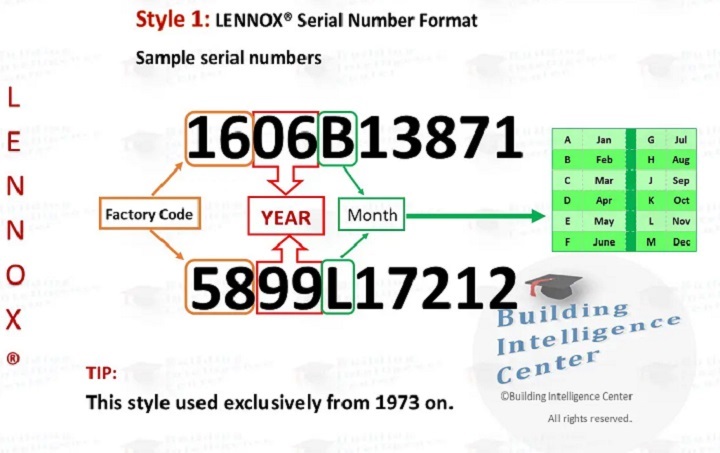
Lennox furnaces are renowned for their quality, reliability, and advanced technology, making them a popular choice for homeowners seeking efficient heating solutions. One question that often arises among homeowners and prospective buyers is: “How do I determine the age of my Lennox furnace?” Understanding the age of a furnace is crucial because it affects performance, efficiency, maintenance needs, and replacement planning.
A furnace’s age influences energy bills, safety, and overall home comfort. Older units may become less efficient, require frequent repairs, or even pose safety risks such as carbon monoxide leaks. Therefore, knowing the age of your Lennox furnace helps homeowners make informed decisions about maintenance, upgrades, and replacements.
This article provides a detailed overview of how to determine the age of a Lennox furnace, its average lifespan, maintenance tips, signs it needs replacement, and frequently asked questions. It also includes four tables summarizing furnace age identification, lifespan estimates, maintenance schedules, and replacement considerations.
How to Determine Lennox Furnace Age
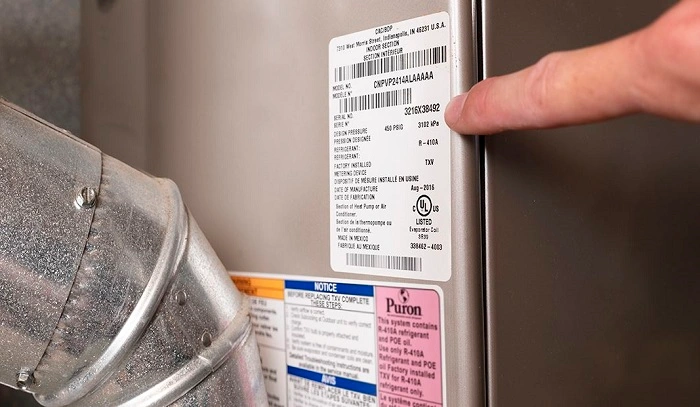
The age of a Lennox furnace can typically be determined through the serial number on the furnace nameplate. The serial number includes a date code indicating the manufacturing date. This is important for knowing whether your furnace is nearing the end of its expected lifespan or is still in optimal condition.
To locate the serial number:
- Check the inside of the furnace access panel or the exterior cabinet.
- Look for a metal or sticker nameplate with both the model number and serial number.
Lennox furnaces often use the following format for serial numbers: the first two digits indicate the year of manufacture, and the next two digits indicate the week of manufacture. For example, a serial number beginning with “0517” would indicate the 17th week of 2005.
| Component | Details |
| Location of Serial Number | Inside furnace access panel or exterior cabinet |
| Serial Number Format | First two digits = year, next two = week |
| Example | “0517” = 17th week of 2005 |
| Model Number | Often required for warranty or repair services |
By understanding the serial number, homeowners can accurately determine the age of their Lennox furnace and plan accordingly.
Average Lifespan of a Lennox Furnace
The typical lifespan of a Lennox furnace varies based on usage, maintenance, and the specific model. On average, gas furnaces last 15–20 years, while electric models may last slightly longer, around 20–25 years. Proper maintenance, such as annual inspections and filter changes, can extend this lifespan, whereas neglect may shorten it.
| Furnace Type | Average Lifespan | Notes |
| Gas Furnace | 15–20 years | Depends on usage and maintenance |
| Electric Furnace | 20–25 years | Fewer mechanical parts; less prone to breakdown |
| Oil Furnace | 15–20 years | Requires regular cleaning and monitoring |
| High-Efficiency Models | 15–20 years | May require specialized maintenance |
Knowing the average lifespan helps homeowners anticipate replacement and budget accordingly.
Also Read: Richelle Ryan Age
Signs Your Lennox Furnace May Need Replacement
Even if your furnace is within its expected lifespan, there are indicators that replacement may be necessary. Common signs include:
- Increasing energy bills despite consistent usage.
- Frequent repairs or recurring mechanical issues.
- Unusual noises, such as banging, rattling, or squealing.
- Uneven heating across rooms or decreased efficiency.
- Yellow flame instead of blue, indicating potential combustion issues.
- Visible rust or corrosion on furnace components.
If multiple signs appear, it is wise to consult a licensed HVAC professional. Continuing to operate an aging furnace may lead to breakdowns or safety hazards, including carbon monoxide leaks.
| Sign | Description | Action |
| Rising Energy Bills | Increased consumption despite same usage | Consider inspection or replacement |
| Frequent Repairs | Continuous breakdowns or service calls | Evaluate cost vs. replacement |
| Strange Noises | Banging, squealing, rattling | Professional inspection recommended |
| Uneven Heating | Some rooms colder than others | May indicate inefficiency or duct issues |
| Yellow Flame | Safety concern, combustion inefficiency | Immediate professional service |
| Rust or Corrosion | Visible deterioration | Likely nearing end of lifespan |
Monitoring these signs allows homeowners to proactively manage furnace performance and avoid unexpected failures.
Maintenance Tips to Extend Furnace Life
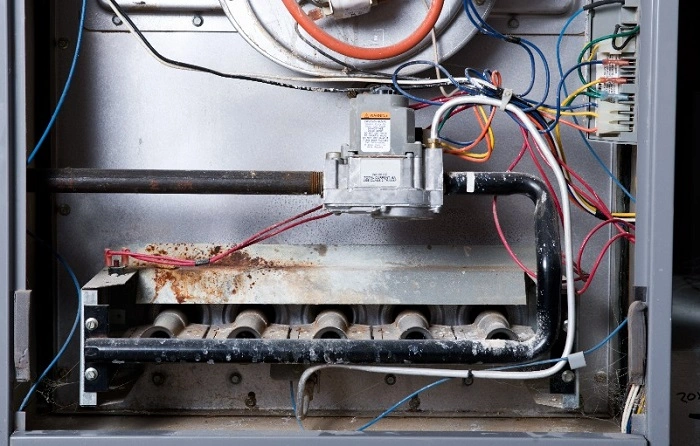
Regular maintenance is essential to maximize the lifespan of a Lennox furnace. Proper care ensures safety, efficiency, and consistent performance. Key maintenance tasks include:
- Annual inspection by a certified HVAC technician.
- Filter replacement every 1–3 months depending on usage.
- Cleaning blower and combustion components to prevent buildup.
- Checking thermostat and controls for accuracy.
- Inspecting venting and flue for blockages or leaks.
| Maintenance Task | Frequency | Purpose |
| Filter Replacement | Every 1–3 months | Maintain airflow and efficiency |
| Professional Inspection | Annually | Safety check, cleaning, and repair |
| Blower Cleaning | Annually | Prevent dust buildup and improve airflow |
| Thermostat Check | Annually | Accurate temperature regulation |
| Vent & Flue Inspection | Annually | Prevent blockages and safety hazards |
Adhering to these maintenance tasks can help extend a furnace’s life closer to or even beyond the average lifespan.
When to Consider Replacement
While regular maintenance can prolong a Lennox furnace’s lifespan, there comes a point when replacement is more cost-effective than repair. Consider replacing the furnace if:
- It is over 15–20 years old and showing signs of wear.
- Repairs are frequent or costly.
- Energy bills are increasing due to decreased efficiency.
- You want to upgrade to a high-efficiency model for savings and eco-friendliness.
| Consideration | Recommendation |
| Age of Furnace | Replace if over 15–20 years old |
| Repair Costs | Replace if frequent and costly |
| Efficiency | Consider upgrade to reduce energy bills |
| Safety Concerns | Replace if combustion or structural issues exist |
| Comfort Needs | Upgrade for consistent heating and air quality |
Replacing a furnace at the right time ensures reliable heating, better energy efficiency, and enhanced safety for your home.
Frequently Asked Questions (FAQ) About Lennox Furnace Age
How do I find the age of my Lennox furnace?
Check the serial number on the furnace nameplate. The first two digits indicate the year of manufacture.
What is the typical lifespan of a Lennox furnace?
Gas furnaces last 15–20 years, electric models 20–25 years, and oil furnaces 15–20 years.
What are signs my furnace needs replacement?
Rising energy bills, frequent repairs, strange noises, uneven heating, yellow flame, or rust/corrosion indicate it may be time to replace.
How can I extend the life of my Lennox furnace?
Perform regular maintenance including filter replacement, annual professional inspections, blower cleaning, thermostat checks, and vent/flue inspection.
When should I upgrade to a high-efficiency furnace?
Consider upgrading if your current furnace is over 15 years old, has efficiency issues, or requires frequent repairs.
Determining the age of a Lennox furnace is essential for homeowners who want reliable, efficient, and safe heating. By understanding how to read the serial number, monitoring signs of wear, adhering to regular maintenance schedules, and planning for timely replacement, homeowners can ensure long-term comfort and energy efficiency.
The included tables provide clear guidance on furnace age identification, lifespan, maintenance, and replacement considerations, making it easier to make informed decisions. Whether your furnace is relatively new or approaching the end of its expected life, being proactive about inspections, care, and replacement ensures safety, performance, and peace of mind.