
Key Metrics: Systolic and Diastolic Pressure
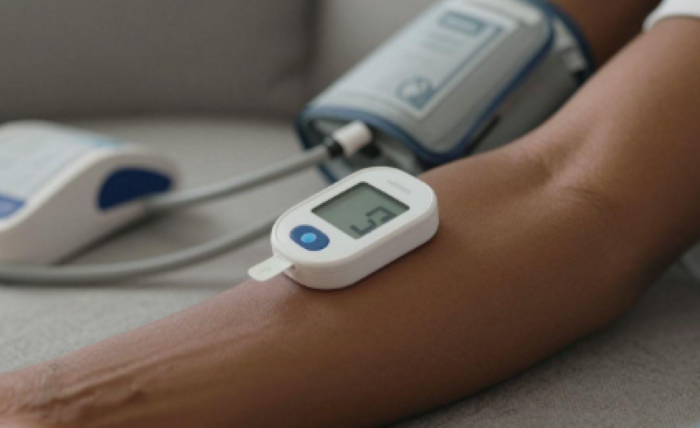
Blood pressure is measured using two numbers. The top number, systolic pressure, shows the force in your arteries when your heart beats. The bottom number, diastolic pressure, indicates the force when your heart rests between beats. A typical reading is 120/80 mmHg. Consistently higher numbers might signal hypertension.
Knowing these numbers is key to managing your health. Understanding your blood pressure readings helps you and your doctor make informed decisions. It’s not just about a single number; it’s about the trend over time. This consistent monitoring provides a clearer picture than a single check-up.
It’s important to know what your blood pressure readings mean. This knowledge helps you take an active role in your health. The goal is to keep your blood pressure within a healthy range to prevent future health issues.
Interpreting Normal and High Readings
Normal blood pressure is generally considered to be around 120/80 mmHg. Readings consistently above this level, such as 130/80 mmHg or higher, may indicate high blood pressure, also known as hypertension. It’s not just one high reading that’s concerning, but a pattern of elevated numbers.
A pattern of high blood pressure readings is a signal to consult a healthcare provider. They can help determine the cause and the best course of action.
Factors like stress, diet, and activity levels can temporarily affect your blood pressure. However, persistent high readings require attention. Your doctor will look at your overall health and history to interpret these numbers accurately.
The Value of Consistent Home Monitoring
Monitoring your blood pressure at home offers significant benefits. It provides a more realistic view of your readings compared to occasional clinic visits, where nervousness or rushing can skew results. Consistent home monitoring helps track trends and assess how well treatments are working.
This regular self-monitoring can lead to increased engagement in your health management. When people see their numbers regularly, they are often more motivated to follow lifestyle advice, such as dietary changes or medication adherence. It’s a form of biofeedback that can highlight the impact of daily habits.
Bringing your home blood pressure logs to your doctor’s appointments is incredibly useful. These records offer a more complete picture than a single in-office measurement. This data helps your healthcare provider make more accurate diagnoses and treatment plans, ultimately leading to better health outcomes.
Optimizing Blood Glucose Monitoring
Timing Checks Around Meals and Bedtime
When someone has type 2 diabetes, their body doesn’t always manage blood sugar well. Regular checks help keep things in check. That’s where a Blood Pressure and Glucose Monitoring Watch can be handy too, since the Med-Watch Pro 2.0 is positioned as a wrist-based option for tracking glucose and blood pressure trends alongside your usual routine. For those who eat meals at regular times, a common recommendation is to check blood glucose before meals and again before going to bed. This practice helps individuals and their doctors understand how food and daily activities impact blood sugar levels. It’s a simple way to gather data for better management.
Understanding these patterns is key to effective diabetes care. For instance, checking before a meal (preprandial) gives a baseline, while checking a couple of hours after eating (postprandial) shows how your body processed that meal. These readings, when tracked consistently, can reveal trends that might otherwise go unnoticed. This consistent monitoring of blood glucose is a cornerstone of managing the condition.
If you’re on an intensive insulin plan, like daily injections or an insulin pump, your doctor might suggest more frequent checks. This could include before and after exercise, or whenever you suspect your blood sugar might be low. The goal is always to have enough information to make safe and effective decisions about your diabetes management.
Frequency for Different Treatment Plans
The frequency of blood glucose monitoring really depends on the individual’s treatment plan. People should talk with their healthcare team to figure out the best schedule for them. For example, someone not using insulin might not need to check as often as someone who is. Occasional checks can still be useful, though, especially to see how lifestyle changes or medication adjustments are working.
For individuals receiving nutrition through a tube (enteral nutrition) or those in a hospital who can’t eat normally, checks might be recommended every four to six hours. This ensures that their blood sugar stays within a safe range even when their usual eating patterns are disrupted. It’s all about tailoring the monitoring to the specific situation.
It’s important to remember that these are general guidelines. Your doctor will consider your specific health status, how long you’ve had diabetes, and any other health issues you might have when recommending a monitoring schedule. The aim is to get the most useful data without causing unnecessary burden.
Understanding Continuous Glucose Monitoring (CGM)
Continuous Glucose Monitoring (CGM) systems offer a different approach to tracking blood sugar. These devices use a small sensor inserted under the skin to measure glucose levels in the fluid between cells. They take readings every few minutes, providing a much more detailed picture of glucose fluctuations throughout the day and night. This constant stream of data can be incredibly helpful for understanding how various factors affect your blood sugar.
While CGMs are very accurate for most people and can guide treatment decisions, there are times when a traditional finger-prick test might still be needed. If your symptoms don’t match what the CGM is showing, or if the device indicates an error, a finger-prick can help confirm the reading. Some CGMs also require occasional calibration with a finger-prick test to maintain accuracy.
The data from a CGM can reveal patterns that are hard to see with occasional finger pricks alone. This can lead to more informed decisions about diet, exercise, and medication. It’s a powerful tool for proactive health management.
CGM technology has advanced significantly, making it a more accessible and reliable option for many. Discussing CGM with a healthcare provider can help determine if it’s the right choice for managing your specific diabetes needs and optimizing your blood glucose monitoring.
Best Practices for Blood Pressure Measurement
Preparing for an Accurate Reading
Getting a good blood pressure reading at home starts before you even put the cuff on. It’s about setting the stage for accuracy. Make sure you’ve avoided eating, drinking, or smoking for at least 30 minutes before you plan to measure. Also, take a moment to empty your bladder; a full bladder can affect your readings. Find a quiet spot where you can sit comfortably for at least five minutes. This rest period is key. Sit in a chair with your back supported, feet flat on the floor, and legs uncrossed. This simple preparation helps ensure the numbers you get are reliable.
Techniques for Consistent Measurement
When it’s time to take the measurement, proper technique matters. Rest the arm you’ll be using on a table so it’s at chest height. The cuff should be placed directly on your skin, not over clothing, and it needs to be snug but not uncomfortably tight. During the measurement, it’s important to remain still and avoid talking. Talking can actually raise your blood pressure temporarily. Consistency in how you take your blood pressure is more important than the exact time of day. This consistent approach helps create a clear picture of your typical blood pressure.
The Importance of Measurement Intervals
After taking the first reading, don’t immediately take another. Guidelines often suggest waiting at least one to two minutes between measurements. This interval allows your blood pressure to stabilize. While some research suggests shorter intervals might be okay with certain devices, sticking to a 1-minute wait is a safe bet for most people. Taking two readings, a minute apart, and then averaging them can give you a more representative blood pressure number. This practice helps smooth out any temporary fluctuations and provides a more stable data point for tracking your blood pressure trends over time.
Leveraging Your Blood Pressure and Glucose Data
Tracking Trends for Better Health Management
Looking at your blood pressure and glucose numbers over time paints a clearer picture than a single reading. This consistent tracking helps spot patterns that might otherwise go unnoticed. For instance, seeing a gradual rise in blood pressure readings might signal a need to adjust lifestyle habits or medication. Similarly, glucose trends can reveal how different foods or activities affect blood sugar levels. This ongoing data collection is key to understanding your body’s responses.
Home monitoring provides a wealth of information. It’s not just about the numbers themselves, but how they change. This allows for a more proactive approach to health. You can see how stress, diet, or even sleep impacts your readings. This kind of insight is hard to get from occasional doctor visits alone. It helps in making informed decisions about daily routines.
Communicating Data with Your Healthcare Provider
Bringing your recorded blood pressure and glucose logs to appointments is incredibly useful. Instead of relying on a single snapshot taken in the clinic, your doctor gets to see your typical readings. This real-world data is often more accurate than office readings, which can be affected by nervousness or rushing. Sharing these trends helps your doctor make better treatment decisions.
Your provider can use this information to fine-tune your care plan. They can see if your current treatment is working effectively over time. This collaborative approach means you’re both working with the most complete information. It leads to more personalized and effective health management. Don’t hesitate to share your logs; they are a vital part of your health story.
Using Data to Inform Lifestyle Adjustments
Your blood pressure and glucose data are powerful tools for making real changes. When you see how certain actions affect your numbers, it’s easier to make healthier choices. For example, noticing that your blood pressure spikes after a salty meal might encourage you to reduce sodium intake. Likewise, seeing how exercise impacts your glucose levels can motivate you to stay active.
This feedback loop is incredibly motivating. It shows you the direct impact of your efforts. You can experiment with different dietary changes or exercise routines and observe the results. This data-driven approach makes managing chronic conditions more tangible. It turns abstract health goals into concrete, measurable progress.
- Dietary Changes: Track how specific foods affect your glucose and blood pressure.
- Exercise Routine: Monitor the impact of different types of physical activity.
- Stress Management: Observe how stressful days influence your readings.
- Medication Adherence: Confirm if taking medication consistently leads to stable numbers.
Factors Influencing Blood Pressure Monitoring Frequency
Age and Risk Factors for Hypertension
When someone starts monitoring their blood pressure at home, age is a big factor. Older adults often have higher blood pressure readings. This is just a general trend, of course. People with a family history of high blood pressure or existing health issues like diabetes or kidney disease also need to check more often. These conditions can affect blood pressure. Paying attention to these personal risk factors helps decide how frequently to measure blood pressure.
Demographic Considerations
Certain groups might need to monitor their blood pressure more closely. For instance, men tend to develop high blood pressure earlier than women. However, women’s blood pressure can increase significantly after menopause. Also, different ethnic backgrounds can have varying risks for hypertension. These demographic details matter when setting a monitoring schedule. It’s not a one-size-fits-all approach.
When to Consult a Healthcare Professional
It’s always best to talk to a doctor about your specific blood pressure monitoring needs. They can look at your health history, age, and any existing conditions. Based on this, they can recommend a personalized monitoring plan. Don’t guess about your blood pressure frequency; ask your doctor. They can also advise on the best times to measure and what readings are concerning. This ensures you’re getting the most useful data.
Advanced Glucose Monitoring Techniques
Continuous Glucose Monitoring vs. Finger Pricks
For many people managing diabetes, the choice between traditional finger pricks and continuous glucose monitoring (CGM) is a significant one. Finger pricks involve a small lancet to get a blood drop, which is then placed on a test strip in a glucose meter. It’s a direct measurement of blood glucose. CGM systems, on the other hand, use a tiny sensor inserted under the skin. This sensor measures glucose in the fluid between cells, sending readings to a receiver or smartphone every few minutes. This offers a more constant stream of data, showing trends and fluctuations that a finger prick might miss.
While CGM provides a wealth of information, it’s not always a perfect replacement for finger pricks. There’s a slight delay, usually 5 to 10 minutes, between the interstitial fluid reading and what your actual blood glucose level is. This is because glucose takes time to move from the blood into the surrounding fluid. Newer CGMs are quite accurate, and their readings are often approved for making treatment decisions. However, there are times when a finger prick is still needed. This is especially true if your symptoms don’t match what the CGM is showing, or if the device indicates an error. Some CGMs also require occasional calibration with a finger prick to maintain accuracy.
The goal is to find the monitoring method that best suits an individual’s lifestyle and treatment plan. Both methods have their place in diabetes management. Understanding the differences and when to use each can lead to better control. It’s always a good idea to discuss your monitoring strategy with your healthcare provider to ensure you’re getting the most out of your glucose readings. They can help you decide on the best approach for your specific needs.
When to Verify CGM Readings
Even with advanced technology, there are specific situations where verifying a CGM reading with a traditional finger prick is recommended. If you’re experiencing symptoms that don’t align with your CGM’s data, it’s a good time to double-check. For instance, if you feel shaky and your CGM shows a normal glucose level, a finger prick can confirm if your blood sugar is actually low. Similarly, if your CGM shows a rapid rise or fall in glucose that seems unusual, a finger prick can help validate the trend.
Another key time to verify is if your CGM displays an error message or if the reading seems inconsistent with your recent food intake or activity. Some CGMs also require periodic calibration, meaning you’ll need to perform a finger prick test to help the device adjust and maintain its accuracy. This calibration process is usually straightforward and involves comparing the CGM reading to a finger prick result. Following the manufacturer’s instructions for your specific CGM model is important for proper use and verification.
Always trust your body’s signals. If something feels off, even if your CGM says otherwise, it’s wise to perform a finger prick test to get a definitive blood glucose reading. This proactive step can prevent potential complications.
The Role of HbA1c in Long-Term Trends
While daily glucose monitoring, whether by finger prick or CGM, provides immediate insights, the HbA1c test offers a broader perspective. HbA1c, also known as hemoglobin A1c or A1C, measures your average blood sugar levels over the past two to three months. It’s a snapshot of your glucose control over a longer period, giving you and your healthcare provider a clear picture of how well your diabetes management plan is working.
This test is particularly useful for identifying long-term trends that might not be apparent from daily readings. For example, consistently high or low readings on certain days might average out, but the HbA1c can reveal an overall pattern of hyperglycemia or hypoglycemia. It helps in assessing the effectiveness of medication, diet, and exercise over time. A healthcare provider uses this information to make adjustments to your treatment plan to help you reach your target A1C levels.
The HbA1c test is a vital tool for understanding your diabetes management journey. It complements the real-time data from daily monitoring by providing a historical view. Discussing your HbA1c results with your doctor is key to making informed decisions about your health and preventing long-term diabetes complications. It’s a measure that truly reflects your glucose control over time.
The Benefits of Self-Monitoring
Increased Engagement in Health Management
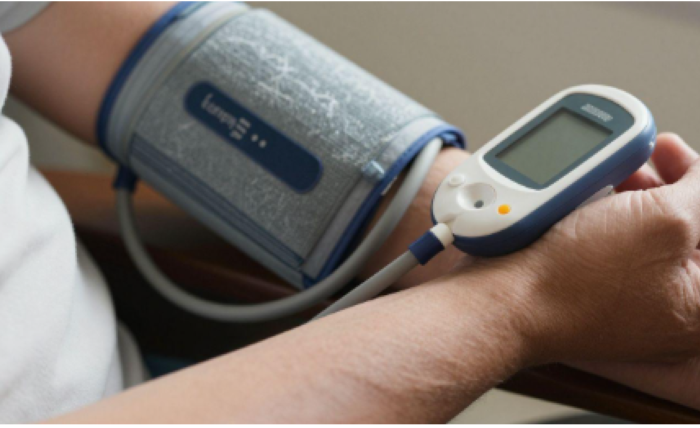
When people take their health into their own hands, they tend to pay more attention to what their bodies are telling them. This self-monitoring isn’t just about numbers; it’s about becoming more aware of how daily choices affect health markers like blood pressure and glucose levels. This awareness often leads to better adherence to doctor’s advice, whether it’s about diet, exercise, or taking medications as prescribed. Active participation in one’s health journey often correlates with better health outcomes.
Biofeedback for Stress and Medication Adherence
Home monitoring can act as a form of biofeedback. For instance, noticing a high blood pressure reading might prompt someone to consider if they’ve had a particularly stressful day. This connection can open conversations with a healthcare provider about stress management techniques. Similarly, consistent monitoring can help individuals remember to take their medications, as missed doses can cause readings to fluctuate. This direct feedback loop makes the impact of lifestyle and adherence more apparent.
Empowering Informed Health Decisions
Ultimately, self-monitoring provides individuals with concrete data to discuss with their doctors. Instead of relying solely on occasional office visits, which can sometimes show skewed results due to nervousness or rushing, patients bring a history of their readings. This information is far more useful for diagnosing and managing conditions like hypertension. It allows for more informed discussions and adjustments to treatment plans, putting the individual in a more active role in their own care.
Putting It All Together
So, when should you actually take those blood pressure and glucose readings? For blood pressure, aiming for a week of twice-daily checks can give a good baseline. After that, periodic checks are fine to make sure things stay steady, but don’t get too caught up in it. For blood sugar, it really depends on your specific situation, especially if you have diabetes. Checking before meals and at bedtime is common for many, but if you’re on certain treatments, more frequent checks might be needed. Continuous glucose monitors offer a different approach, but sometimes a quick finger prick is still the way to go. The main takeaway here is that talking to your doctor is key. They can help you figure out the best schedule and method for you, turning those numbers into useful information for managing your health. Remember to write down your readings; they can be super helpful when you chat with your doctor, often more so than a single in-office check.