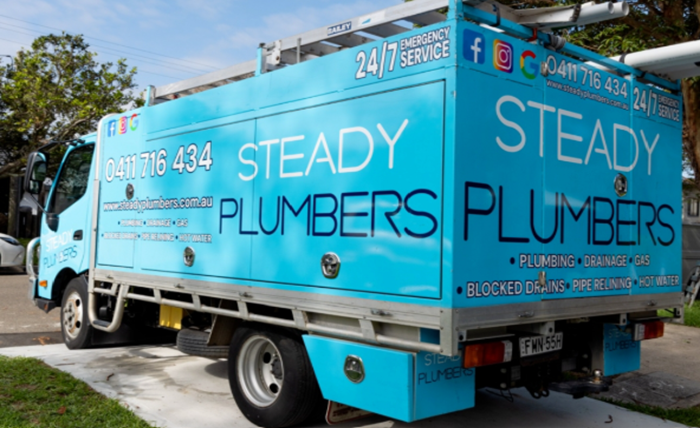
Water damage is one of the most costly and disruptive issues a homeowner can face. From hidden leaks behind walls to burst pipes under floors, plumbing problems often develop silently before becoming major emergencies. Many homeowners only contact Steady Plumbers after visible damage appears, but regular plumbing checks can significantly reduce the risk of severe structural damage, mould growth, and unexpected repair bills.
Preventative plumbing maintenance is not just about fixing minor drips. It is about identifying early warning signs, assessing system performance, and ensuring that pipes, fixtures, and appliances are functioning safely and efficiently. By scheduling routine inspections, homeowners can protect their property and avoid the stress of sudden water-related disasters.
Early Detection of Hidden Leaks
One of the most important benefits of regular plumbing checks is identifying hidden leaks before they escalate. Not all leaks are immediately visible. Some occur behind walls, under flooring, or within ceiling cavities, slowly causing damage over time.
Professional inspections use specialised tools and experience to detect subtle signs of moisture, pressure changes, or pipe deterioration. Catching a small leak early can prevent extensive water damage, rotting timber, and costly structural repairs.
Preventing Burst Pipes
Burst pipes often result from long-term wear, corrosion, or pressure imbalances within the plumbing system. Without routine inspections, weakened pipes may go unnoticed until they rupture, causing flooding and significant property damage. Regular checks allow plumbers to assess pipe condition and replace sections showing signs of corrosion or stress. Proactive replacement is far less expensive and disruptive than emergency repairs after a burst.
Protecting Walls, Floors, and Ceilings
Water damage does not stay confined to one area. A leaking pipe can quickly spread moisture through plasterboard, timber framing, insulation, and flooring materials. Routine plumbing inspections reduce the likelihood of water seeping into structural components. Protecting these elements maintains the integrity of your home and preserves its value.
Reducing the Risk of Mould Growth
Persistent moisture creates ideal conditions for mould and mildew. Once mould takes hold, it can spread rapidly and pose health risks, particularly for individuals with allergies or respiratory conditions. Regular plumbing checks help eliminate the source of excess moisture before mould develops. Addressing leaks early supports a healthier indoor environment.
Maintaining Optimal Water Pressure
Abnormal water pressure can strain pipes and fixtures, increasing the risk of leaks and damage. During routine inspections, plumbers assess water pressure levels to ensure they fall within safe limits. If pressure is too high, installing or adjusting a pressure regulator can prevent long-term stress on the plumbing system.
Identifying Faulty Seals and Fixtures
Over time, seals around taps, toilets, and appliances can deteriorate. These small components play a crucial role in preventing water escape. Regular inspections identify worn washers, loose fittings, or cracked seals before they lead to visible leaks. Replacing minor parts early reduces the chance of water spreading into surrounding areas.
Checking Hot Water Systems
Hot water systems are often overlooked until they fail. However, corrosion, sediment buildup, or faulty valves can cause leaks or reduced efficiency. Routine maintenance checks ensure hot water systems operate safely and reliably. Early detection of issues prevents unexpected breakdowns and potential water damage.
Inspecting Drainage and Waste Systems
Blocked or slow drains can indicate underlying issues in the waste system. If left unresolved, these problems can lead to overflows and water backing up into sinks, showers, or toilets. Regular inspections help identify partial blockages or damaged pipes before they cause flooding or contamination.
Preventing Long-Term Structural Damage
Water damage weakens structural materials over time. Timber can rot, metal components can corrode, and foundations can shift if exposed to prolonged moisture. Preventative plumbing checks reduce the risk of chronic water exposure, helping maintain the structural stability of the property.
Lowering Insurance Risks and Claims
Frequent water damage claims can affect insurance premiums and coverage conditions. By maintaining your plumbing system proactively, you reduce the likelihood of major incidents that result in costly claims. Some insurance policies also require homeowners to maintain their property adequately. Routine inspections demonstrate responsible upkeep.
Saving Money on Emergency Repairs
Emergency plumbing call-outs often cost more than scheduled maintenance. Water damage repairs may involve restoration services, replacement flooring, repainting, and structural work. Investing in regular plumbing checks is a cost-effective strategy that prevents larger expenses down the track.
Increasing Property Value and Appeal
A well-maintained plumbing system adds value to your property. Prospective buyers appreciate homes with documented maintenance history and reduced risk of hidden damage. Regular checks support long-term property value by ensuring systems are in good condition.
Peace of Mind for Homeowners
Perhaps one of the most valuable benefits of routine plumbing checks is peace of mind. Knowing your pipes, fixtures, and appliances are functioning correctly reduces anxiety about unexpected leaks or flooding. Homeownership comes with many responsibilities, and proactive maintenance simplifies one of the most critical systems in your home.
What Happens During a Plumbing Inspection
A professional plumbing inspection typically includes checking visible pipes, testing water pressure, inspecting fixtures, assessing drainage performance, and reviewing hot water systems. Plumbers may also look for signs of corrosion, leaks, or unusual moisture levels. Detailed feedback allows homeowners to make informed decisions about necessary repairs or upgrades.
Establishing a Regular Maintenance Schedule
How often you schedule plumbing inspections depends on your property’s age and condition. Older homes may benefit from annual checks, while newer properties may require inspections every few years. Consistency is key. Establishing a routine schedule ensures minor issues are addressed before they escalate.
Addressing Seasonal Changes
Weather conditions can impact plumbing systems. Temperature fluctuations, heavy rainfall, or extended dry periods may stress pipes and drainage systems. Regular inspections before and after seasonal changes help identify weather-related risks and prevent water damage.
Conclusion
Major water damage rarely occurs without warning. Small leaks, pressure imbalances, and deteriorating components often signal trouble long before flooding happens. Regular plumbing checks provide early detection, preventative maintenance, and long-term protection for your home.
By investing in routine inspections, homeowners reduce the risk of costly repairs, protect structural integrity, and maintain a safe, healthy living environment. Proactive plumbing care is one of the most effective ways to safeguard your property from avoidable water damage.