Moving to a new home often disrupts habits, especially for remote professionals. Building remote work routines that last requires intention, structure, and realistic adjustments. Many people struggle to maintain focus or energy after relocating, but consistent daily habits can restore stability. The goal is to create balance, maximize productivity, and a sense of control in your new space.
How Remote Work Routines Keep Your Day Grounded
Strong remote work routines bring order to uncertainty. After a move, familiar rhythms disappear, such as your desk might be different, your lighting changes, or your internet setup needs tweaking. A routine acts as an anchor that helps you regain productivity. Begin by rebuilding your schedule piece by piece. Keep your start and finish times consistent. Schedule short breaks to reset your mind. Over time, this predictable pattern restores your focus, even in a new environment.
Small, repeatable habits, like a morning walk or a fixed lunch break, train your body and mind to adapt faster. They also reduce the stress of constant decision-making during busy moving weeks.
Designing a Functional Workspace in Your New Home
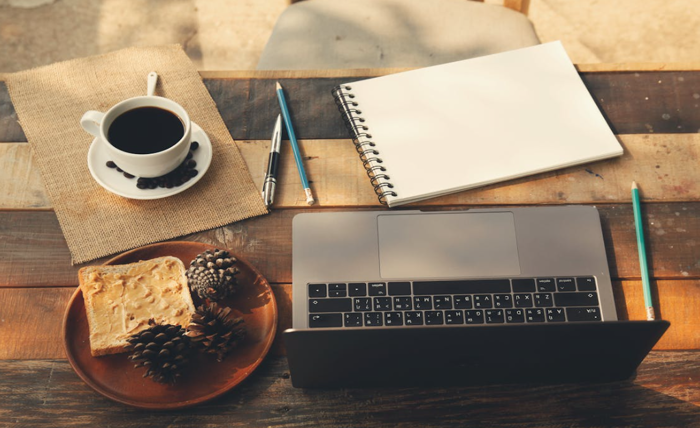
A comfortable and organized workspace is vital for maintaining focus. When designing a productive work environment, choose a quiet area with enough natural light and minimal distractions. Keep essential items close, such as a laptop, notebooks, chargers, and any ergonomic accessories.
Cable management, proper chair support, and neutral décor can make a surprising difference in your mood and performance. A clear desk encourages clear thinking.
Avoid working in bed or on the couch for long hours. This separation between “home” and “office” zones helps your brain switch between work and rest modes more effectively.
Create Boundaries Between Work and Home Life
When you move, physical and emotional boundaries often blur. Setting clear boundaries helps prevent burnout.
Start by defining work hours and communicating them to family or roommates. Use visible signals, such as closing a door or wearing headphones, to mark work time.
At the end of the day, shut down your computer and step away from your desk. This small act signals your mind that work is done. Consistent boundaries strengthen discipline and protect your personal time.
Rebuilding Energy and Motivation After the Move
Relocation drains energy. Between unpacking boxes and adjusting to a new environment, motivation can dip. Permit yourself to rebuild gradually.
Start with small wins, like completing key tasks, organizing one corner of your office, or hitting your daily step goal. These early victories boost confidence and help you feel grounded again.
Plan rewarding downtime activities, such as short walks in your new neighborhood or video calls with friends. They reinforce the link between work progress and personal satisfaction.
Midday Reset: Why Movement Matters
Remote professionals often sit for hours without noticing. After a move, physical stiffness can worsen. Schedule movement breaks every hour. Simple stretches, yoga poses, or a quick stroll can increase energy and creativity.
Use timers or apps to remind you to stand and stretch. Over time, these micro-breaks enhance focus and prevent fatigue. Your mind performs better when your body feels active and supported.
Digital Tools That Simplify Remote Work
Technology can make your day smoother. Tools like Google Calendar, Notion, or Trello help organize tasks. Video platforms such as Zoom and Microsoft Teams keep you connected with colleagues.
For time tracking, try apps like Toggl or RescueTime. They give insight into productivity patterns and help you adjust your routine as needed.
Keep tools to a minimum, as too many platforms can create clutter. Select ones that genuinely support your remote work routines and align with your goals.
Packing Smart for Future Moves
If you expect more relocations, pack with efficiency in mind. Label work-related boxes clearly. Protect electronics with soft wraps and keep cords organized in separate bags.
To make packing easier, you can refer to a home office packing guide, which can explain how to organize cables, label equipment, and prepare fragile items for moving. These strategies make the setup in your new space faster and less stressful. Adopting them supports consistent productivity across moves and keeps your remote work routines stable during change.
How to Stay Social and Connected While Working Remotely
Moving can feel isolating, especially if you work from home. Prioritize connection early. Join local community events, co-working spaces, or virtual interest groups. Staying social prevents loneliness and boosts motivation.
Schedule regular video meetings with colleagues or mentors. Communication keeps you accountable and engaged. A mix of online and offline interactions creates balance in your day.
Remember that social connection is part of your professional success, not a distraction from it.
Balancing Workload and Well-Being
Working remotely after a move can tempt you to overcompensate for lost time. But long hours reduce quality and increase stress. Focusing on completing meaningful work rather than endless tasks will help you to better balance workload and well-being.
Use clear priorities, and finish your most demanding work early in the day. This method, often called “front-loading,” leaves you more relaxed in the afternoon. Pair that with hydration, proper meals, and short outdoor breaks to refresh your mind.
Adjusting Your Routine to New Surroundings
Every home brings different rhythms, new noise levels, lighting, and surroundings. Test various working hours to find when you’re most productive in your new space.
If your area gets noisy at certain times, plan focus-intensive work early in the morning or later in the evening. Add soft background music or white noise to create consistency.
Adaptability turns new environments into productive ones. Once you identify what works best, stick to it daily.
Keep Evaluating and Refining Your Routine
Routines are living systems; they evolve as you do. Review your remote work habits every few weeks. Ask yourself: Does this setup support my energy and goals? Do I need better lighting or fewer distractions?
Track small improvements over time. The more you refine your approach, the easier your workdays become. Regular self-checks prevent burnout and keep motivation high. This reflection process is especially helpful for parents seeking work-life balance, as it highlights what parts of the day need structure and what moments can remain flexible.
Even subtle changes, such as moving your desk closer to a window, can instantly improve focus and mood.
Why Remote Work Routines Shape Long-Term Stability
Building remote work routines after moving is about more than productivity. It’s about creating a structure that supports mental clarity, confidence, and growth. When you invest effort into consistent habits, every future move becomes easier. You know what to rebuild first, how to reset focus, and how to feel “at home” again. Your new home can become a place of purpose and progress if you respect your time and structure your day intentionally. The secret lies in staying consistent, one routine at a time.