Efficient storage and transport of tyres and rubber products is a significant challenge for automotive manufacturers, distributors, and retailers. Traditional single-use packaging often leads to waste, higher costs, and environmental concerns. A reusable rubber and tyre packaging solution provides a sustainable, practical alternative that addresses these issues while improving operational efficiency.
These solutions are designed to protect products, reduce handling time, and support repeated use. By investing in reusable packaging, businesses not only save costs but also demonstrate environmental responsibility, a factor that is increasingly important in today’s market, including Singapore’s growing focus on sustainable industrial practices.
Understanding Reusable Rubber and Tyre Packaging
Reusable packaging for tyres and rubber products typically includes crates, racks, pallets, and specially designed containers made from durable materials such as High-Density Polyethene (HDPE), polypropylene, or reinforced metals. These products are engineered to withstand repeated use, stacking, and transportation without compromising structural integrity.
Tyre-specific packaging often features modular designs, allowing tyres to be stored securely in racks or containers while minimising movement during transit. Collapsible or stackable options maximise warehouse space, reduce storage costs, and facilitate return logistics for empty packaging.
Benefits of Reusable Rubber and Tyre Packaging
Cost Savings: Investing in durable reusable packaging reduces the need for single-use boxes, straps, and protective materials. While upfront costs are higher, long-term savings from repeated use and reduced waste management expenses are substantial.
Protection of Products: Tyres and rubber components can be susceptible to damage from abrasion, deformation, or exposure to elements during storage and transport. Reusable packaging provides a protective structure that safeguards products against such risks, ensuring quality is maintained throughout the supply chain.
Operational Efficiency: Standardised reusable packaging simplifies handling, stacking, and inventory management. Forklifts, pallet jacks, and conveyor systems can be optimised for uniform container sizes, reducing labour costs and improving warehouse workflow.
Environmental Sustainability: Reusable packaging reduces landfill waste and supports corporate sustainability initiatives. By implementing circular packaging systems, companies contribute to eco-friendly operations while complying with environmental regulations.
Selecting the Right Packaging Solution
When choosing reusable rubber and tyre packaging, businesses should consider size, material, durability, and compatibility with transport and storage systems. For tyres, packaging should support vertical and horizontal stacking without compromising structural integrity.
Ease of cleaning and maintenance is critical, especially if tyres or rubber products are exposed to oils, dirt, or chemicals. Choosing packaging materials that are resistant to contamination ensures longevity and maintains hygiene standards.
Best Practices for Implementation
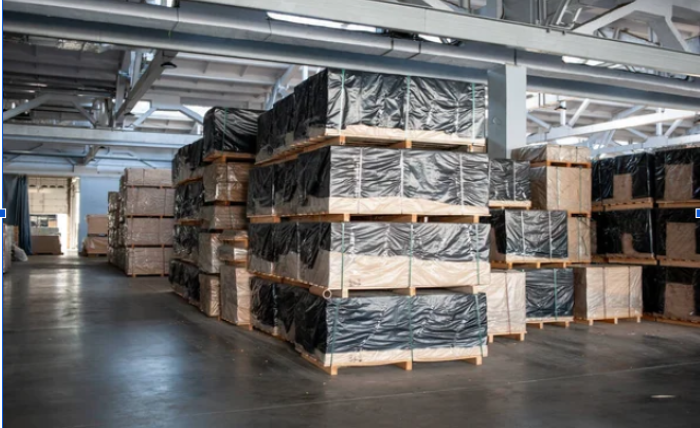
To maximise the benefits of reusable packaging, companies should establish clear handling procedures. Regular inspection for damage, wear, or contamination helps maintain the packaging’s effectiveness. Staff should be trained to load, unload, and stack packaging correctly to prevent product damage.
Tracking systems such as barcodes or RFID tags can streamline inventory management, monitor container usage, and ensure timely returns. Standardising packaging dimensions across operations also enhances efficiency and reduces confusion during transportation.
Industry Impact
Adopting reusable rubber and tyre packaging aligns with the global trend towards sustainability in manufacturing and logistics. In Singapore, where regulatory standards and environmental awareness are high, companies that implement these solutions demonstrate responsible business practices while enhancing operational efficiency.
Beyond cost and environmental benefits, reusable packaging improves overall supply chain reliability. Products are delivered intact, handling is simplified, and waste disposal is minimised, resulting in smoother logistics and satisfied customers.
Conclusion
Reusable rubber and tyre packaging solutions are a practical, eco-friendly alternative to single-use options. They offer cost savings, product protection, operational efficiency, and support sustainability goals.
For businesses in the automotive and manufacturing sectors, investing in reusable packaging is a strategic decision that enhances both financial performance and environmental responsibility. By adopting these solutions, companies can streamline operations, safeguard products, and contribute positively to sustainable industry practices.
FAQs
What materials are used for reusable tyre packaging?
High-density polyethene (HDPE), polypropylene, and reinforced metals are common for durability and reusability.
Can reusable packaging prevent tyre damage?
Yes, they provide structural support, reduce movement during transit, and protect against abrasion and deformation.
Is reusable packaging cost-effective?
Yes, repeated use lowers overall packaging costs, reduces waste, and saves on disposal fees.
How does reusable packaging support sustainability?
It minimises single-use packaging waste and promotes circular economy practices in industrial operations.