
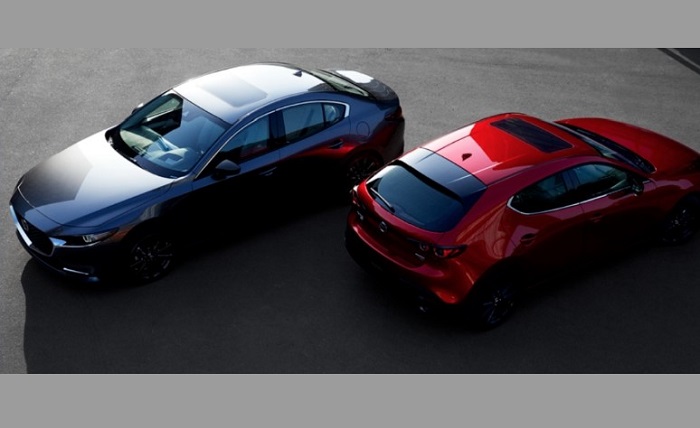
When buying a new or used vehicle, safety is often one of the top priorities for drivers and families alike. If you are comparing different body styles, a hatchback vs sedan comparison by Patrick Auto shows that both types of cars offer strong safety foundations, but each brings advantages in specific areas due to design differences and feature availability. Understanding the safety features inherent to each body style helps you choose a car that aligns with your driving habits, lifestyle, and personal safety expectations.
While hatchbacks and sedans may be similar in many respects, nuances like visibility, crash protection, stability systems, and structural design can influence how each performs in real-world situations. Exploring these factors in detail lets you make a confident decision based on safety performance rather than just aesthetics or price.
Crash Test Ratings and Structural Protection
Crash test ratings are among the first indicators buyers should check when evaluating vehicle safety. Organisations such as ANCAP in Australia conduct rigorous testing that evaluates front, side, and rollover protection for both hatchbacks and sedans. These ratings take into account the car’s structural integrity and the effectiveness of restraint systems in protecting occupants.
Sedans often have longer front and rear crumple zones due to their extended design, which can distribute collision forces over a greater area. However, modern hatchbacks are engineered with strong safety cages and reinforced body structures that can match or exceed sedan crash performance. When comparing vehicles, always consider up-to-date crash test results rather than relying on assumptions about body style alone.
Airbags and Occupant Protection Systems
Airbags are a foundational safety feature in all modern vehicles, and comprehensive systems now include front, side, curtain, and knee airbags. Both hatchbacks and sedans typically offer similar levels of airbag protection, but the difference often lies in the number of airbags as standard across trim levels.
Higher-end sedans may come with more advanced airbag systems as standard, while some hatchbacks require optional safety packages to match that level of protection. When comparing safety, check how many airbags are included and whether advanced occupant protection is standard rather than an upgrade.
Visibility and Blind Spot Management
Driver visibility contributes to everyday safety by helping prevent collisions before they occur. Hatchbacks typically offer larger rear windows and a more upright rear design, which can enhance rearwards visibility compared to some sedans with longer trunk lines.
However, both vehicle types increasingly provide technological aids like blind-spot monitoring, rear parking sensors, and 360-degree camera systems that greatly improve visibility and awareness. These features are particularly useful in urban environments, tight parking spaces, and heavy traffic situations.
Electronic Stability Control and Traction Systems
Electronic stability control (ESC) and traction control systems are essential technologies that help keep vehicles balanced during sudden steering inputs or slippery conditions. These systems detect wheel slip or loss of control and adjust braking and engine power to help the driver maintain stability.
Modern hatchbacks and sedans generally come equipped with these systems as standard, but the sophistication of stability management can vary between models. Higher-tier sedans may offer more advanced stability features tuned for higher speeds, while hatchbacks often emphasise responsiveness and balance in urban settings.
Anti-Lock Braking Systems and Brake Assist
Anti-lock braking systems (ABS) are critical for preventing wheel lock-up during emergency braking, allowing the driver to maintain steering control. Brake assist systems work with ABS to apply maximum braking force when sudden stops are detected.
Both hatchbacks and sedans benefit from these systems, but the effectiveness can depend on brake component quality and calibration. Premium sedans may have larger disc brakes or more advanced brake assist tuning, while sport-oriented hatchbacks often prioritise quick stopping power in city traffic.
Advanced Driver Assistance Systems (ADAS)
Advanced Driver Assistance Systems (ADAS) are becoming standard in many modern vehicles. These include features such as:
- Autonomous emergency braking (AEB) – applies brakes if a collision is imminent
- Lane departure warning (LDW) and lane keep assist (LKA) – help prevent unintentional drifting
- Adaptive cruise control (ACC) – maintains safe following distance on highways
- Traffic sign recognition – informs the driver of speed limits and warnings
Both hatchbacks and sedans can be equipped with these systems, but availability often depends on trim levels. Some sedans come with a full suite of ADAS as standard, whereas hatchbacks might offer similar packages as optional upgrades. Comparing specific models rather than body styles ensures you understand the safety technology included.
Pedestrian and Cyclist Detection Features
Pedestrian and cyclist detection systems use sensors and cameras to identify vulnerable road users and assist in preventing collisions. This technology is especially relevant in urban areas where foot and bicycle traffic is common.
Many newer hatchbacks and sedans include this feature, but its responsiveness and capability can differ between models. When safety is a priority, examine how each vehicle’s detection system performs at various speeds and whether it operates efficiently in low-light conditions.
Structural Design and Impact Protection
The structural design of a vehicle plays an important role in how it performs in collisions. Crumple zones in the front and rear help absorb impact energy, while reinforced passenger cabins maintain integrity during crashes.
Sedans often have more pronounced crumple zones due to their elongated design, which can help distribute forces in high-speed impacts. Meanwhile, hatchbacks often feature reinforced rear structures that protect occupants and luggage space, especially in rear-end collisions. Structural rigidity and material quality matter more than body style alone, so checking specific model engineering and safety test results is key.
Child Safety and Restraint Systems
Child safety is another critical consideration. Features such as ISOFIX anchor points, rear door child locks, and advanced seatbelt pre-tensioners are essential for protecting younger passengers.
Both hatchbacks and sedans can offer these features, but the layout and ease of access to child seat anchoring points may vary. Testing how easily child seats fit and whether the seating positions provide optimal safety helps determine the best choice for families.
Crash Avoidance and Driver Awareness Technologies
In addition to reactive safety systems, crash avoidance technologies aim to prevent collisions before they happen. These include forward-collision warning, blind-spot assist, and lane-centering functionalities.
These systems are becoming more sophisticated and are no longer exclusive to premium vehicles. Some mid-range hatchbacks now offer advanced crash avoidance packages that rival those in sedans. Prioritising vehicles with comprehensive prevention technology boosts safety regardless of body style.
Safety in Real-World Driving Conditions
Safety features perform differently in real-world conditions compared to controlled tests. Factors like weather, road surface, and traffic patterns influence a vehicle’s ability to respond to hazards. Both hatchbacks and sedans offer stability systems, traction control, and impact protection that are effective in daily use. Evaluating how these systems perform in varied driving environments—urban, suburban, or highway—gives a realistic picture of safety performance.
Comparing Model-Specific Safety Features
Rather than choosing based solely on body style, comparing safety features on a model-by-model basis is essential. A hatchback with top-tier safety technology can outperform a sedan with basic features, and vice versa. Reviewing manufacturer specifications, safety test results, and expert evaluations allows you to compare actual safety performance rather than relying on assumptions about body shape.
Conclusion
Safety should always be a core consideration when choosing between a hatchback and a sedan. Both vehicle types can offer excellent protection, but understanding how specific safety features, structural design, and advanced technology work in real-world scenarios helps you make a more informed decision.
By focusing on crash test performance, ADAS availability, occupant protection systems, crash avoidance technology, and practical everyday safety needs, you can select a vehicle that aligns with your priorities—whether you prefer the convenience of a hatchback or the comfort of a sedan. Always compare specific models and safety equipment to ensure the best possible protection for you and your passengers.