
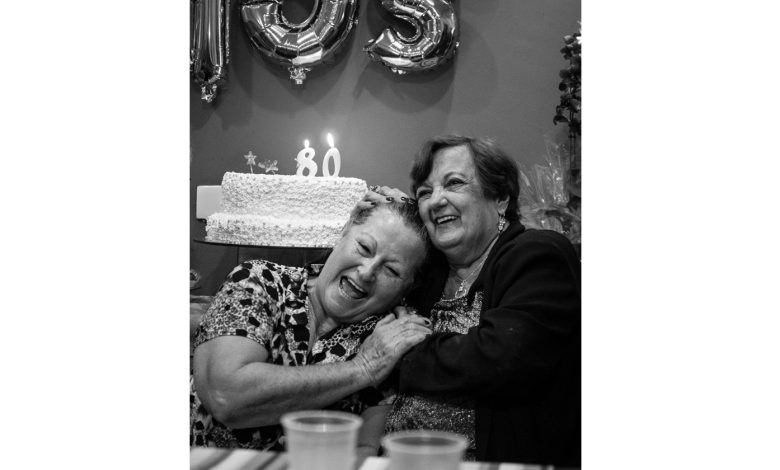
The decision to transition to senior living often stirs up worries about losing independence or becoming disconnected from the people and activities that matter most. But here’s what many families discover: modern senior living communities are anything but isolating. They’re thoughtfully designed environments where relationships flourish and joy becomes part of the daily routine. These communities understand something fundamental, that emotional wellbeing and meaningful connections matter just as much as physical health.
1. Structured Social Activities and Programs
Daily life in senior living communities revolves around bringing people together through shared interests and hobbies. You’ll find everything from watercolor painting classes and lively book discussions to container gardening groups and hands-on cooking demonstrations, something for every interest and ability level. What makes this different from living independently? The community handles all the planning and transportation logistics that so often become barriers to participation. This consistent schedule gives residents something to look forward to while creating natural opportunities to bump into neighbors and strike up conversations.
2. Communal Dining Experiences
Mealtime becomes one of the day’s highlights in senior living communities, transforming what might’ve been a lonely microwave dinner into a genuine social gathering. Restaurant-style dining rooms staffed by professional chefs create inviting atmospheres where residents can savor nutritious, delicious meals without ever touching a grocery cart or standing over a hot stove. Breaking bread together naturally encourages conversation, residents share tables, swap stories, and gradually build the kind of connections that turn acquaintances into friends. These regular interactions do double duty: they combat the loneliness that affects so many older adults while ensuring everyone gets well-balanced, chef-prepared nutrition.
3. Intergenerational Connection Programs
The most forward-thinking communities actively build bridges between generations through partnerships with local schools, youth groups, and volunteer organizations. Picture elementary students stopping by to perform seasonal concerts, read stories aloud, or tackle craft projects alongside residents. These exchanges create value on both sides of the age spectrum, seniors feel appreciated and purposeful, while young people gain wisdom and perspective that textbooks can’t teach. Technology tutorials led by patient teenagers, pen pal programs, and collaborative community service projects keep these connections meaningful and regular.
4. Wellness and Fitness Classes
Group exercise programs designed for various ability levels accomplish two important goals at once: they promote physical health and create social bonds. Whether it’s gentle chair yoga, pool-based water aerobics, neighborhood walking clubs, or light strength training, these classes make staying active feel less like medicine and more like fun. There’s something motivating about exercising alongside others, it provides accountability, sure, but more importantly, it creates camaraderie that transforms a workout into a social event. Instructors who specialize in senior fitness know exactly how to modify movements for different capabilities while keeping the atmosphere upbeat and encouraging.
5. Enrichment Through Lifelong Learning
The desire to learn and explore new ideas doesn’t retire when we do, and educational programming in senior living acknowledges this beautifully. Guest speakers on fascinating topics, documentary screenings, language classes, and technology workshops turn these communities into bustling learning centers. These programs recognize that curiosity is ageless and provide structured opportunities to dive into new subjects or go deeper into long-held interests. When seniors seek environments that prioritize intellectual engagement alongside social connection, communities like Conservatory at Champion Forest provide structured learning programs that foster both mental stimulation and relationship building. Residents frequently organize informal study groups or ongoing discussion circles around subjects that captivate their collective imagination, extending the learning well beyond formal presentations. This mental engagement helps keep cognitive decline at bay, while the social dimension of shared learning strengthens community ties and gives diverse residents common ground to stand on.
6. Creative Arts and Expression Opportunities
Art studios, music rooms, community theater programs, and craft workshops open up outlets for self, expression that bring genuine joy to everyone who participates. These programs give residents permission to explore artistic talents they may never have had time to develop during decades of working and raising families. Group projects, whether that’s a sprawling community mural, a choir concert, or a full-blown theatrical production, create shared goals that unite residents in collaborative effort. There’s something deeply satisfying about creating something beautiful or meaningful, and that tangible evidence of accomplishment does wonders for self-esteem.
7. Pet-Friendly Environments and Animal Therapy
A growing number of communities welcome resident pets or arrange regular visits from therapy animals, recognizing just how much emotional comfort comes from animal companionship. Pets offer unconditional affection, naturally reduce stress levels, and give residents a sense of purpose through daily caretaking routines. Dog parks and pet-friendly courtyards become spontaneous gathering spots where animal lovers connect over their shared devotion to four-legged friends. Organized therapy sessions featuring dogs, cats, or even miniature horses bring comfort and spark conversations that help break down social barriers between residents who might not otherwise cross paths.
8. Volunteer and Community Service Opportunities
Communities that help residents stay involved in volunteer work understand something important: people need to feel useful and connected to the world beyond their immediate surroundings. Whether they’re organizing charity drives, assembling care packages for deployed service members, or mentoring young people through community partnerships, these activities let seniors put their considerable skills and life experience to meaningful use. Working together on volunteer projects strengthens bonds among residents while delivering the psychological boost that comes from helping others and making a tangible difference. These opportunities directly challenge the outdated notion that moving to senior living means disconnecting from society or becoming irrelevant.
Conclusion
Senior living communities have transformed dramatically, they’re no longer just places where older adults receive basic care. They’ve evolved into vibrant environments where joy and genuine connection happen naturally every day. Through intentional programming, thoughtfully designed spaces, and compassionate staff who truly care, these communities address the fundamental human needs we all share: the need to belong somewhere, to feel purposeful, and to engage meaningfully with others. The blend of social activities, wellness initiatives, creative outlets, and opportunities to contribute creates a lifestyle that many residents find even more fulfilling than living independently.