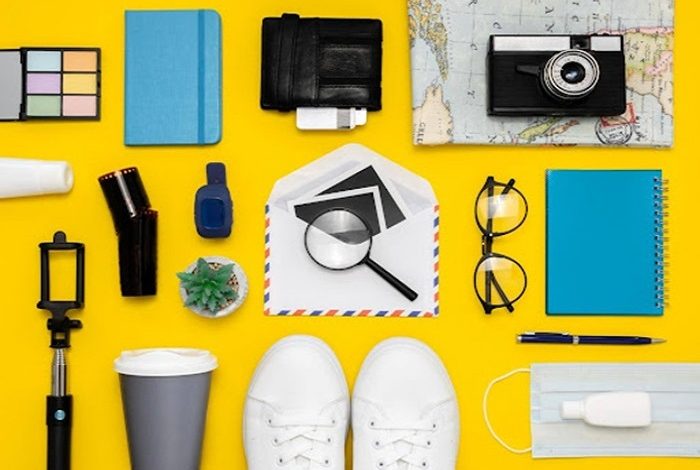
Objects we interact with daily — the cup we drink from, the bag we carry, even the accessories we use — have a quiet influence on how we perceive comfort and routine. These items become part of the backdrop of life, shaping our interactions and reinforcing habits without drawing attention to themselves.
Thoughtful design in everyday objects can enhance ease of use, promote satisfaction, and support routines that feel comfortable and intentional. Conversely, poorly designed items can create friction and frustration, even when their purpose is simple.
Design in the Details
Often, the difference between a mundane tool and a pleasant experience lies in the details: texture, balance, proportion, and tactile feedback. When these elements align with personal expectations, an object becomes easier to incorporate into daily habits. It’s not that such items revolutionize life — they simply make the familiar feel slightly better.
This effect is subtle and often subconscious, but over time it contributes to overall satisfaction in how routines unfold. A reliable accessory, for instance, can transform how smoothly tasks are completed or how comfortable moments of pause feel.
Accessories That Complement Habits
In lifestyle conversations, certain accessories are referenced not because they define a lifestyle, but because they fit comfortably into established patterns. One example is a Ploom cover, often noted for its ability to complement an existing tool with understated style and durability, without distracting from the experience itself.
These kinds of additions are typically discussed in neutral terms — not as necessities, but as possibilities for those who value subtle refinement. The focus stays on compatibility with personal habits, not on trend or external validation.
Comfort Through Consistency
An accessory becomes truly valuable when it supports consistency without demanding attention. Whether it enhances grip, protects an item from wear, or simply reflects personal taste, its worth is measured by how naturally it belongs in daily use.
This is why design preferences tend to be individual. What feels cohesive and comfortable to one person might feel irrelevant to another — and that’s part of the point. Accessories aren’t about conformity; they’re about personal fit.
Conclusion
Everyday objects shape experience in ways that are often unnoticed but deeply felt. When items resonate with personal habits and preferences, they support continuity, comfort, and satisfaction.
The most successful designs are those that work quietly in the background, making space for presence and attention rather than distraction or complexity.