Chimneys look simple from the outside, but the structure is far more complex than most homeowners realize. And because chimneys rarely demand daily attention, people accept long-standing myths about how they work, how often they need maintenance, and what truly causes damage. These misconceptions are costly. They lead to ignored warning signs, hidden deterioration, and repairs that could have been avoided with better insight.
Why Chimney Myths Stick Around
Chimneys are old technology. They’ve existed for centuries, evolving through countless design and material changes. But the myths surrounding them have remained almost unchanged. Homeowners often assume chimneys don’t need the same level of care as the roof or siding. They think brick means durability, and durability means maintenance-free. The truth is the opposite.
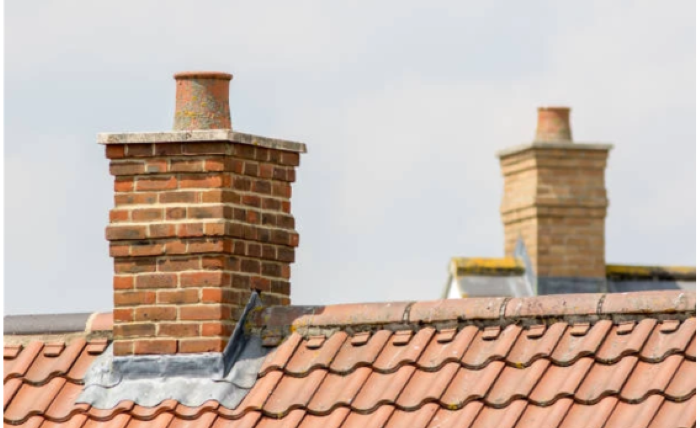
Modern chimneys rely on multiple components—flue liners, masonry joints, crown structures, flashing, and ventilation channels. Each part can weaken independently. When one fails, the rest follow, often quietly. That’s why homeowners in older neighborhoods or coastal regions must pay closer attention, especially when relying on Chimney Installation and Repair for Your Long Island Home to keep their system structurally sound.
Myth 1: A Chimney Only Needs Attention When It’s Used Often
People assume a frequently used chimney needs regular maintenance and an unused chimney doesn’t. The opposite is true. Chimneys that sit idle develop condensation inside the flue. Moisture reacts with soot and masonry, creating acidic compounds that eat away at the structure. Neglected chimneys often deteriorate faster than active ones.
Even seasonal fireplaces need annual checks. Birds can nest in flues. Small debris can restrict airflow. Temperature swings can crack mortar. Damage doesn’t depend on usage; it depends on exposure.
Myth 2: Brick Chimneys Last Forever
Brick is strong, but mortar isn’t invincible. Mortar absorbs moisture, cracks with age, and deteriorates under constant freezing and thawing cycles. Coastal winds and humidity accelerate this wear. When mortar joints weaken, the structure loses stability.
Homeowners often overlook small cracks because they assume the brick is still solid. But chimney strength depends on the entire assembly, not a single material. A small breakdown in mortar can create major structural issues if ignored.
Myth 3: If There’s No Smoke Backup, the Chimney Is Fine
Smoke backup is a dramatic symptom, not an early one. Chimneys can suffer internal damage long before smoke re-enters the home. Many issues never cause visible smoke at all:
Cracks in flue liners
Loose flashing
Water entering through the crown
Damaged masonry joints
Blocked secondary vents
By the time smoke appears, the internal deterioration has already spread.
Myth 4: A Chimney Cap Is Optional
A chimney cap is one of the most overlooked parts of the entire system. Many homeowners think it’s only for keeping animals out, but the cap actually protects the flue from water exposure. Rainwater is the most common cause of flue liner deterioration. Without a cap, moisture enters freely and begins damaging the chimney from the inside.
A missing or damaged cap leads to faster structural breakdown, mold inside the flue, and moisture pockets that become costly to fix.
Myth 5: Water Stains Are an Interior Problem
Ceiling stains near the chimney aren’t always roof problems. Many times, they’re the result of chimney leakage. Water enters through cracks in the crown, gaps in flashing, or deteriorating mortar joints. Homeowners often blame the roof because the chimney damage is hidden behind layers of brick and interior framing.
Correcting chimney-related moisture requires understanding where water enters and how it travels. A simple roof patch is rarely enough.
Myth 6: Chimney Repairs Are Minor and Can Be Delayed
Delaying chimney repairs is one of the most expensive mistakes homeowners make. A small crack can become a structural failure after one winter. Freeze-thaw cycles expand gaps, water seeps deeper, and masonry loses strength. Once moisture reaches the internal structure, damage spreads quickly.
This is why many homeowners rely on Chimney Installation and Repair for Your Long Island Home when dealing with coastal moisture and seasonal weather shifts. Repairs are always cheaper early and far more complicated later.
The Real Cost of Believing These Myths
Ignoring chimney maintenance leads to:
Flue liner fractures
Structural leaning
Internal moisture damage
Masonry breakdown
Fire hazard
Mold spread inside walls
Damaged attic insulation
Roof and ceiling deterioration
These are not small fixes. They are full-scale projects that cost far more than routine inspections and preventative care.
How Homeowners Can Stay Ahead of Chimney Damage
Chimneys age like any structure. The key is catching issues long before they escalate. Homeowners should:
Inspect mortar joints yearly
Check for cracks in the crown
Confirm flashing is fully sealed
Look for interior stains or odors
Examine the chimney cap condition
Monitor for draft changes
These habits prevent most chimney myths from turning into costly repairs.
The Smarter Approach
Chimneys don’t need constant attention, but they do need educated attention. Understanding the difference between myth and reality keeps your home safe and your repair bills small. And when structural issues arise, relying on Chimney Installation and Repair for Your Long Island Home ensures your system stays strong in a climate where coastal moisture and seasonal extremes test masonry year-round.