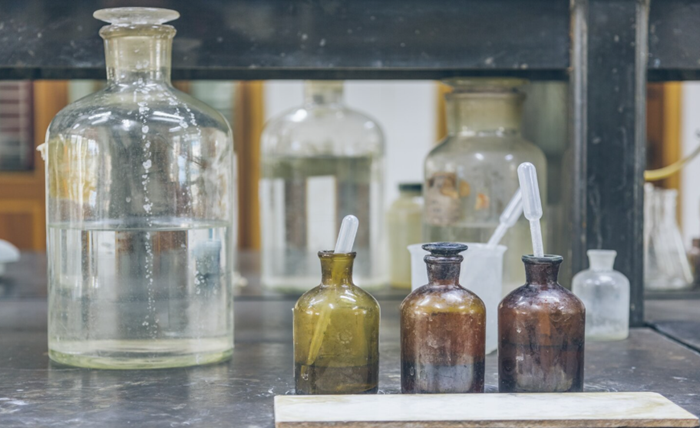
In laboratory environments, the choice of storage containers is critical for ensuring the accuracy and safety of experiments. Among the various options available, lab glass bottles stand out for their precision and reliability. These bottles are essential tools for researchers and technicians who require containers that can handle a variety of chemicals without contamination risk.
Why Choose Lab Glass Bottles?
Lab glass bottles are preferred in many scientific settings due to their inert nature. Unlike plastic containers, glass does not react with most chemicals, making it ideal for storing sensitive substances. This inherent stability ensures that the contents remain uncontaminated, maintaining the integrity of any stored reagents.
Types of Lab Glass Bottles
Lab glass bottles come in various shapes and sizes, each designed to meet specific laboratory needs. Generally, they include wide-mouth bottles, dropper bottles, and aspirator bottles, among others. The choice depends on the intended application and the nature of the chemical being stored.
Wide-Mouth Bottles
These are perfect for storing bulk powders or larger volumes of liquid. Their design allows easy access to the contents, facilitating quick and efficient laboratory work.
Dropper Bottles
These are essential for researchers needing precise measurements of liquid volumes. Dropper bottles are used in experiments where even minor variations in quantity can affect the outcome.
Aspirator Bottles
These bottles commonly serve for vacuum applications. Their rugged construction and design optimise them for experiments that require pressure-controlled environments.
Advantages of Using Glass in Laboratories
Aside from chemical inertness, lab glass offers several other advantages. It can withstand high temperatures, making it suitable for autoclaving or sterilisation processes. Glass is also transparent, allowing easy observation of the contents without opening the container.
Compatibility with Other Lab Equipment
Lab glass bottles seamlessly integrate with diverse laboratory tools. For instance, they work well alongside lab beakers, enabling seamless transfer and mixing of solutions. Their versatility supports varied experimental setups and scientific pursuits.
Maintenance of Lab Glass Bottles
Proper maintenance of lab glass bottles is crucial to ensure their longevity and performance. This involves regular cleaning, using appropriate detergents, and inspecting for any signs of wear or damage. Keeping bottles in optimal condition prevents contamination and extends their usability.
Considerations when Purchasing Lab Glass Bottles
When selecting lab glass bottles, one must consider several factors, such as capacity, type of cap or closure, and specific chemical compatibility. These aspects are key in ensuring that the bottles meet the precise requirements of the intended use.
Environmental Impacts and Sustainability
Glass is known for being eco-friendly compared to plastic; it is recyclable and poses less of an environmental threat. Laboratories looking to minimise their ecological footprint often opt for glass due to its sustainability credentials.
Applications of Lab Glass Bottles
Lab glass bottles are used across various scientific fields, including chemistry, biology, and pharmacology. They are also fundamental in educational settings where practical laboratory skills are taught. The adaptability of glass bottles makes them a staple in any comprehensive laboratory setup.
Common Misuses and Precautions
Despite their advantages, improper use of lab glass bottles can lead to accidents or contamination. It is important to handle them with care, avoid exposure to extreme temperatures unless specifically designed for it, and ensure they are stored securely to prevent breakage.
Comparison with Other Laboratory Glassware
In addition to lab glass bottles, laboratories often use other types of glassware such as measuring cylinders. Each glassware type serves its unique purpose; measuring cylinders are primarily for accurate volume measurement, highlighting the importance of selecting the appropriate glassware for specific tasks.
Conclusion
Lab glass bottles are indispensable assets in any laboratory that demands accuracy and reliability. Their diverse types and benefits, from chemical inertness to sustainability, underscore their vital role in scientific research. By understanding their applications and maintenance needs, laboratory professionals can maximise the effectiveness of their experiments while ensuring a safe working environment. The careful selection and use of lab glass bottles contribute significantly to the overall success of laboratory operations.