As organizations look to the future, creating a safe and healthy work environment is more vital than ever. Both employers and employees benefit from robust strategies that safeguard not only the physical workspace but also support emotional and mental well-being. Investing in comprehensive workers’ compensation insurance coverage is one way forward-thinking companies can offer protection against unexpected workplace injuries, but this is just one aspect of a holistic approach.
The evolution of workplace safety now encompasses not only traditional measures but also innovative techniques and a renewed emphasis on employee well-being. From integrating smart technologies to rethinking wellness and support programs, modern organizations are reshaping their safety protocols to address the needs of a more diverse workforce. This multifaceted approach recognizes that a culture of safety and support boosts satisfaction, retention, and productivity across the board.
The ongoing emphasis on both physical and mental health is transforming employee expectations in 2026. People now seek workplaces where open communication is encouraged, and resources for well-being are readily available. To remain competitive and compliant, companies must continuously assess and improve the tools, policies, and support they provide.
In this guide, discover the tools and strategies that leading organizations are using to build safer, healthier, and more resilient workplaces for the year ahead.
Leveraging Technology for Enhanced Safety
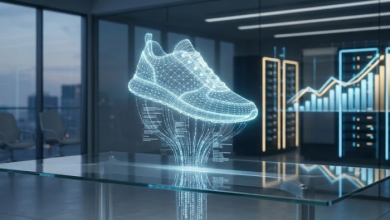
The adoption of advanced technologies is driving the next wave of workplace safety. Real-time data collection through the Internet of Things (IoT) and AI-powered systems allows companies to monitor environmental quality, equipment status, and workflow patterns. These tools quickly identify hazards or machinery malfunctions, reducing the window of opportunity for accidents to occur. For example, IoT sensors can monitor environmental data, such as air quality or heat stress, in real-time, enabling rapid interventions. AI-driven software can identify unsafe behaviors during routine work or analyze incidents to prevent future issues.
Training methods are also evolving in response to technological advancements. Virtual Reality (VR) simulations offer employees realistic practice scenarios in hazardous environments, allowing them to experience these situations without exposure to real-life risks. This not only sharpens employees’ skills but also enhances safety awareness throughout the organization. As a result, integrating technology has become a central component of forward-thinking risk management strategies.
Prioritizing Mental Health and Psychological Safety
Forward-thinking organizations recognize that psychological safety is as important as physical safety. Employees perform better and engage more deeply when they feel their mental well-being is protected. Many employers are now offering mental health resources, including confidential counseling, Employee Assistance Programs, mindfulness training, and stress reduction workshops. Flexible work arrangements and mental health days are also growing in popularity.
Creating a culture where workers can express concerns or report mental health struggles without stigma or retaliation is essential. According to OSHA, focusing on well-being initiatives can reduce absenteeism, improve retention, and foster a more collaborative workplace. By actively addressing psychological health, businesses are seeing measurable benefits in innovation and morale.
Implementing Personalized Wellness Programs
Personalized wellness initiatives are becoming standard in organizations aiming to maximize engagement and effectiveness. Using wearable technology, apps, and employee health data, companies can create personalized wellness plans that cater to individual needs and motivate employees to take a more active role in their health. These programs might include health screenings, customized exercise regimens, nutrition guidance, and even incentives for meeting wellness goals.
Employers adopting these tools demonstrate their commitment to each worker’s unique circumstances, contributing to a more inclusive and supportive culture. Research consistently shows organizations that invest in personalized wellness reap benefits in productivity, morale, and a reduction in overall healthcare costs. For additional insights on wellness and workplace trends, see this overview from Forbes.
Ensuring Proper Fit of Personal Protective Equipment (PPE)
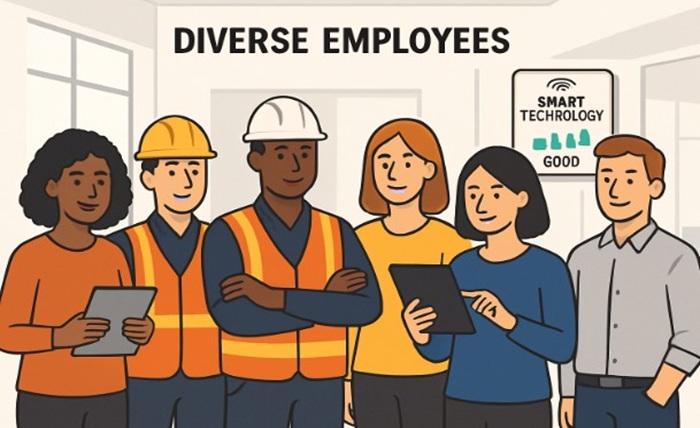
Standardized PPE may not account for the diversity found in modern workforces—especially among women and those with specific anatomical needs. Custom-fitted PPE, now being adopted across various industries, ensures that every worker receives the protection they require for their specific job roles. Companies are conducting detailed PPE assessments and hazard analyses to select suitable equipment that protects workers and conforms to their individual needs.
Making the switch to personalized or size-inclusive PPE not only reduces the risks associated with ill-fitting gear but also promotes a sense of belonging and equity. Leading organizations find that investing in superior protective equipment boosts overall compliance and strengthens the trust employees place in their safety programs.
Establishing Clear Communication and Reporting Channels
Effective safety strategies hinge on open and transparent communication. Establishing systems for anonymous hazard reporting, regular safety audits, and involving employees directly in safety committees empowers people at all levels of the organization. Such channels ensure that small problems are swiftly addressed before they escalate into larger concerns. According to a study by AlertMedia, 97% of employees rank their physical safety as a top priority, underlining the need for straightforward reporting mechanisms.
Moreover, encouraging staff to participate in shaping organizational safety standards creates a culture of trust. When workers are confident their voices are heard and respected, companies benefit from more thorough safety feedback, higher morale, and sustained compliance with best practices.
Integrating AI for Predictive Safety Measures
The development of predictive analytics using Artificial Intelligence marks a leap forward in workplace safety and employee support. By synthesizing historical data, AI models can forecast potential incidents, allowing for timely preventive measures. Applications range from spotting repetitive strain injury risks to monitoring psychological stress through biometric feedback.
AI systems can generate real-time recommendations or alerts for supervisors, helping avert both physical accidents and burnout. Predictive safety programs not only decrease incidents but also foster an environment of transparency and ongoing improvement, where risk can be proactively managed rather than merely responded to.
Fostering a Culture of Continuous Improvement
Embedding continuous improvement into workplace safety ensures organizations stay aligned with emerging standards and technologies. Regular reviews of safety protocols, open feedback sessions, and providing resources for upskilling employees are hallmark practices. Encouraging everyone from leadership to entry-level staff to participate in safety decision-making strengthens organizational resilience.
By prioritizing ongoing improvement and collective engagement, companies not only adapt to change effectively but also create an empowered workforce capable of weathering future safety challenges.
Conclusion
The contemporary workplace demands that businesses take comprehensive, proactive steps to protect and promote employee health and safety. Embracing advances in technology, personalizing wellness solutions, addressing the fit and inclusivity of PPE, fostering open communication, leveraging AI for risk prediction, and embedding a culture of continuous improvement collectively support a safer, healthier, and more engaged workforce for 2024 and beyond.