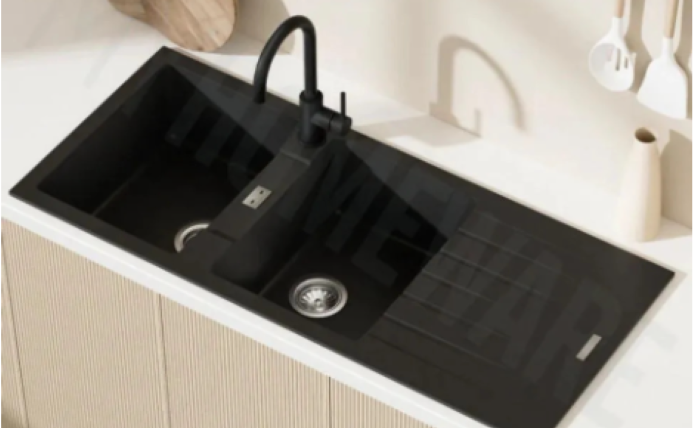
Depth shapes how comfortable and efficient a drainer board kitchen sink feels. Too shallow, and water splashes everywhere. Too deep, and your back and shoulders ache after a sink full of dishes. Homeowners often focus on style and material first, but bowl depth and drainer layout decide how the sink works day after day. A model like the 1000x500x220mm Carysil Granite Single Bowl Kitchen Sink with Drainer Board shows a well‑balanced approach. Its 220mm deep, 45L capacity bowl and integrated drainer board offer generous space without sacrificing comfort. By understanding standard depth ranges and how layout, users, and plumbing interact, you can choose a drainer board sink that fits your kitchen and your daily routine.
What Is the Ideal Sink Depth for Daily Kitchen Use?
Standard Sink Depth Ranges Explained
Most kitchen sinks fall between 180mm and 250mm in bowl depth. Around 200–230mm suits many homes, striking a balance between capacity and comfort. The Carysil granite drainer board sink, with a 220mm deep bowl, sits right in this practical sweet spot. It gives enough room for tall pots and stacks of plates while keeping your hands at a comfortable height. Shallower models around 180–190mm suit compact kitchens or users who prefer less bending. Deeper options near 240–250mm work for heavy cooking or bulky cookware. When you compare models, always check the internal depth, not just the outer dimensions. That figure tells you how much usable vertical space you actually get inside the bowl.
Shallow vs Deep Sinks: Key Differences
Shallow sinks, around 180–200mm deep, make it easier to reach the bottom and reduce strain for shorter users. They usually splash more, especially without a drainer board to catch runoff. Deep sinks, around 220–250mm like the 220mm Carysil bowl, can hide dishes and handle larger loads with fewer splash issues. However, deeper bowls may cause discomfort if your counters are already high or if you wash by hand often. Shallow models clean faster and dry quicker, while deeper bowls offer better soaking and space for tall pots. When a drainer board is integrated, a moderate depth often works best, giving enough capacity without making the transition from bowl to drainer awkward or hard to wipe.
How Do Kitchen Layout and User Needs Affect Sink Depth?
Matching Sink Depth with Counter Height and Ergonomics
Counter height and sink depth work together. Standard counters sit around 900mm high, and a 200–220mm deep sink usually feels comfortable for many users. A model like the Carysil 220mm deep granite bowl suits an average-height person standing at a standard counter, keeping hands near elbow level and avoiding excessive bending. Taller users may prefer slightly deeper bowls, while shorter users may feel better with 190–200mm depths. Undermount installation lowers the bowl edge slightly, while top or flush mount keeps the rim higher. Because the Carysil sink supports top, flush, and undermount options, you can fine‑tune the ergonomics. Always imagine where your hands will rest, not just how the sink looks on paper.
Choosing Depth Based on Household Size and Usage
Household size and cooking style strongly influence ideal depth. For a couple or small household that runs a dishwasher, a medium depth like 210–220mm often works very well. The 45L capacity of the Carysil single bowl offers ample volume for this kind of use. Larger families, or homes where people cook daily and hand‑wash many items, may benefit from the extra space of a 220–240mm bowl. Deep sinks hold more dishes and reduce visual clutter on the counter. If you cook with large stockpots, baking trays, or bulky pans, a deeper design makes soaking and scrubbing easier. For occasional cooks who value speed and light cleaning, a slightly shallower bowl may feel more convenient.
Impact of Drainer Board Design on Sink Depth Choice
The drainer board changes how you use the sink and how depth feels. With a long 1000mm layout that includes an integrated drainer board, as on the Carysil granite model, you can rest dishes on the side to dry instead of stacking them deep in the bowl. This design means you do not always need a very deep sink to handle drying space. A moderate 220mm depth works well because the drainer acts as an overflow area for washed items. The reversible design also lets you place the drainer on either side, improving workflow. When comparing options, consider groove patterns, slope, and surface texture, as these features guide water back into the bowl and make wiping and drying easier.
What Should You Consider Before Choosing Sink Depth?
Compatibility with Cabinets and Plumbing Space
Cabinet size and plumbing layout limit how deep your sink can be. A deeper sink needs more vertical space inside the base cabinet for the bowl, the waste kit, and the trap. The Carysil granite sink includes a strainer waste, which simplifies planning, but you still must check the cabinet’s internal height. In many standard 600mm base units, a 220mm deep bowl fits comfortably with room for plumbing. Deeper basins may clash with drawers, pull‑outs, or water filters. Undermount installation also reduces internal space slightly. Before choosing, confirm the sink’s full depth, including the strainer, and compare it with the distance from the underside of the countertop to the cabinet floor and any planned accessories.
Water Splash Control and Cleaning Convenience
Depth strongly affects splash control and ease of cleaning. Deeper bowls like the Carysil 220mm design help keep water inside when you run the tap or rinse tall items. The integrated drainer board also captures drips and channels them back into the bowl, reducing puddles on the counter. However, very deep sinks can be harder to reach into for quick wiping. A non‑porous granite quartz surface, as used in this model, makes regular cleaning easier and resists stains. The smoother and more accessible the surfaces, the faster you can wipe them. Aim for a depth that limits splash but still lets you comfortably reach every corner, especially if you clean frequently or have mobility concerns.
Conclusion
For most homes, the ideal depth for a board kitchen sink drainer sits around 200–230mm, with 220mm providing a strong balance between comfort and capacity. The Carysil 1000x500x220mm granite sink with drainer board illustrates this well: its 45L bowl, non‑porous quartz surface, and flexible mounting options show how one design can fit many layouts. When choosing depth, weigh counter height, user stature, cabinet space, and how much you cook and wash by hand. Consider the drainer board’s role too, since it can reduce the need for extra bowl depth. By matching sink depth to real daily habits rather than just style, you create a kitchen workspace that feels natural, efficient, and easy to maintain.