Key Takeaways
- Proper sizing and placement of the heat pump are critical for efficiency.
- Professional installation is recommended to avoid common mistakes.
- Regular maintenance ensures the system operates effectively over time.
Installing a heat pump is one of the most effective ways to maximize your home’s energy efficiency and year-round comfort. By installing a heat pump for year-round comfort in Belleville, homeowners can save on costs and reduce their carbon footprint. Ensuring a successful installation, however, involves careful planning, the right equipment, and ongoing care.
Taking proactive steps during the initial assessment and installation phase will help prevent costly issues down the road. Whether you are upgrading an older system or adding a heat pump to your current setup, following expert guidance is essential for getting the most value and efficiency from your investment.
Home comfort is about more than simply keeping temperatures moderate. A properly installed and maintained heat pump balances humidity, air quality, and quiet operation. Knowing what to expect at every stage of the process helps you stay informed and confident in your choices.
For those seeking additional resources and best practices, the heat pump guidance for Belleville homes page offers reliable insights to optimize your installation and use.
Assess Your Home’s Suitability
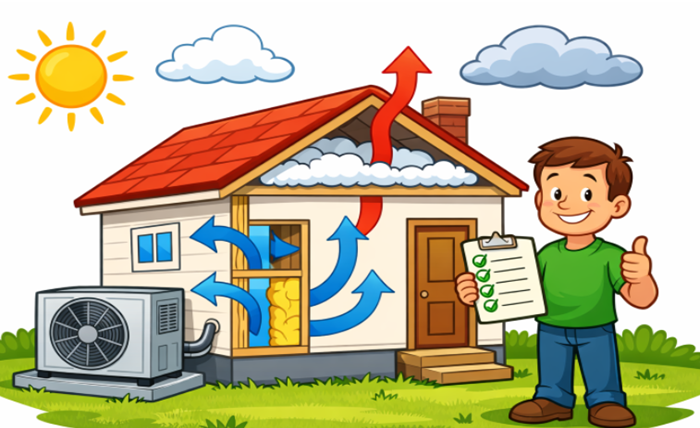
Before investing in a heat pump, thoroughly evaluate your home’s insulation, air sealing, and existing heating system. Heat pumps work best in well-insulated homes, where they can maintain comfort efficiently even during colder months. Examine your attic, walls, and foundation for adequate insulation and look for opportunities to improve energy retention. This step maximizes the overall impact of a new system.
Another critical element is ensuring adequate space both inside and outside your home. Heat pumps require free airflow around air handlers and outdoor units for peak performance. Measure the installation areas and clear away obstacles that could restrict airflow, such as dense shrubs or stored items. Even seemingly minor obstructions can lower a heat pump’s efficiency or cause breakdowns.
Choose the Right Heat Pump
Not all heat pumps are created equal, and selecting the best type for your location and needs is crucial. There are two primary types of residential heat pumps: Air-Source and Ground-Source (Geothermal).
- Air-Source Heat Pumps: These models extract heat from the outdoor air, making them suitable for moderate climates and easier to install. They offer outstanding efficiency for homes in regions with mild winters.
- Ground-Source (Geothermal) Heat Pumps: These units use the stable temperature underground to provide heating and cooling. While installation is more involved and costly, geothermal systems deliver even higher energy savings and are known for long-term durability.
Consulting with a licensed contractor is the best way to ensure your new heat pump matches your local climate, home size, and layout. Professional guidance helps you avoid under-sizing or over-sizing, which can result in inefficient operation and increased energy costs. For a more detailed exploration of this process, consult resources such as the U.S. Department of Energy’s guide to heat pump systems.
Hire a Qualified Installer
Working with a knowledgeable, certified installer is one of the most important aspects of a successful heat pump installation. Experienced professionals conduct a Manual J load calculation, which considers your home’s square footage, insulation, windows, and other factors to select the ideal system size. Avoiding shortcuts at this stage ensures the heat pump delivers reliable comfort, minimizes energy waste, and meets warranty requirements.
Ask potential contractors about their credentials, specific experience with heat pumps, and client references. Organizations such as the Air Conditioning, Heating & Refrigeration News recommend verifying industry certifications for peace of mind and optimal results.
Understand the Installation Process
Familiarizing yourself with the standard steps involved in heat pump installation can help you monitor progress and communicate more effectively with your installer. Here’s what to expect:
- Site Assessment: The contractor will examine your home to find the best spots for the indoor and outdoor units and assess the existing ductwork, if present.
- System Design: The heat pump type and size are chosen based on your home’s characteristics and energy needs.
- Installation: The physical units are installed, electrical and refrigerant connections are made, and system settings are configured for maximum performance.
- Testing: After installation, the system will be tested to ensure it heats and cools correctly, maintains balanced airflow, and operates safely.
A professional installation also typically includes guidance on thermostat programming and maintenance routines, helping you get comfortable with your new equipment.
Maintain Your Heat Pump Regularly
To protect your investment and ensure long-term efficiency, routine maintenance is essential. Key maintenance tasks include:
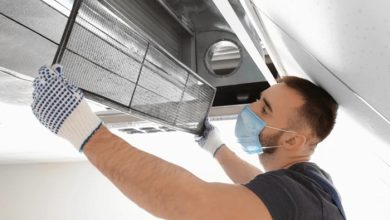
- Clean or replace air filters each month to keep airflow strong and indoor air healthy.
- Check the outdoor unit regularly, clearing away leaves, dirt, and snow to maintain unobstructed airflow.
- Book an annual service appointment with a heating and cooling professional. They will inspect electrical connections, refrigerant levels, and moving parts to catch any issues before they become major repairs.
Consistent maintenance attention not only extends your heat pump’s lifespan but also helps keep utility bills low and indoor conditions comfortable. For more on maintenance schedules, see this helpful resource from Consumer Reports’ heat pump maintenance guide.
Consider Energy Efficiency Incentives
Many local and national government agencies offer incentives for homeowners who install qualifying energy-efficient heat pumps. These programs may provide cash rebates, federal tax credits, or utility bill discounts that help offset installation costs. Take time to research the options available in your area so you can make the most of these savings.
Not only do these incentives make upgrading to a heat pump more affordable, but they also encourage the adoption of eco-friendly solutions that benefit the entire community.
Conclusion
Installing a heat pump is an investment in both your comfort and the value of your home. To get the best results, start by assessing your home’s structure and energy needs, partner with experienced professionals, and prioritize maintenance. Taking these steps ensures you enjoy reliable, efficient heating and cooling for years to come.