Introduction
Modern communities depend on complex systems working together behind the scenes. From manufacturing facilities that create essential components to underground water and sewer networks that support daily life, reliable infrastructure plays a major role in safety, efficiency, and convenience.
Many of these systems are often overlooked until a problem occurs. A manufacturing machine may require precision maintenance to continue producing quality parts. A water line may need protection to prevent unexpected failures. A drainage system may require regular care to avoid disruptions.
Understanding how these systems work and why maintenance matters helps individuals, businesses, and communities make better decisions. Preventive care, proper planning, and professional solutions are essential for maintaining reliable operations.
This article explores the importance of modern machine shop technology, water system protection, and sewer maintenance while explaining how these areas contribute to stronger infrastructure.
The Importance of Modern Machine Shops in Today’s Industries
Manufacturing continues to be a critical part of the global economy. Behind many products people use every day are advanced machining processes that transform raw materials into precise components.
Modern machine shops use specialized equipment, skilled professionals, and advanced technology to produce parts that meet strict quality requirements.
A machine shop may perform processes such as:
- CNC machining
- Milling
- Turning
- Grinding
- Metal fabrication
- Precision finishing
These operations require accuracy because even small errors can affect the performance and reliability of a finished product.
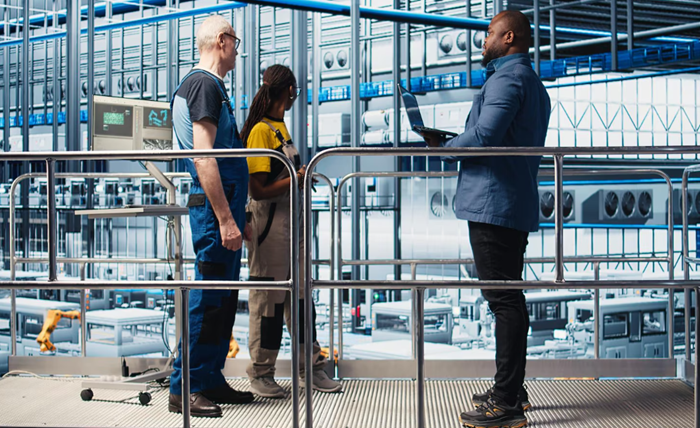
Technology has significantly changed how machine shops operate. Computer-controlled systems, automation, and advanced measurement tools allow manufacturers to improve consistency and efficiency.
Those interested in understanding how modern manufacturing environments operate can learn more about the processes and technologies used on today’s machine shop floors.
How Technology Improves Manufacturing Accuracy
Modern manufacturing depends heavily on precision. Many industries, including automotive, aerospace, medical equipment, and industrial machinery, require components produced within very specific measurements.
Advanced machining technology helps manufacturers achieve:
- Improved accuracy
- Faster production processes
- Reduced material waste
- Better repeatability
- Consistent product quality
Computer numerical control (CNC) machines are one example of how technology has transformed manufacturing. These machines follow programmed instructions to create complex parts with a high level of precision.
However, technology alone is not enough. Skilled operators, quality control processes, and regular equipment maintenance remain essential.
A successful manufacturing environment combines:
- Experienced workers
- Reliable machinery
- Proper inspection methods
- Continuous improvement practices
Protecting Water Infrastructure From Unexpected Failures
Water systems are another important part of modern infrastructure. Residential, commercial, and municipal properties rely on properly functioning water lines for daily operations.
However, water systems can face challenges, especially during extreme weather conditions. Freezing temperatures can create pressure inside pipes, potentially leading to cracks, leaks, and serious damage.
When water freezes inside a pipe, it expands. This expansion increases pressure and may contribute to pipe failure.
A burst water main can cause significant disruption by affecting water supply, damaging surrounding areas, and requiring emergency repairs.
Preventing water-related problems involves several strategies:
- Proper pipe insulation
- Regular inspections
- Monitoring vulnerable areas
- Maintaining heating systems where necessary
- Addressing small leaks early
Preventive maintenance is often more practical than responding to major failures after they occur.
The Role of Pipe Protection and Seasonal Preparation
Cold weather preparation is especially important for properties located in regions with freezing temperatures.
Common areas where pipes may be vulnerable include:
- Outdoor plumbing
- Basements
- Garages
- Crawl spaces
- Exterior walls
- Unheated buildings
Property owners can reduce risks by taking proactive steps before winter conditions arrive.
Useful preparation measures include:
Inspecting Existing Pipes
Checking for cracks, weak connections, or damaged insulation can help identify possible issues early.
Improving Insulation
Insulation helps reduce heat loss and provides additional protection against freezing temperatures.
Maintaining Proper Temperatures
Keeping vulnerable areas adequately heated can reduce the likelihood of freezing.
Monitoring Water Systems
Regular checks allow problems to be identified before they become major emergencies.
Infrastructure protection is not only about fixing problems; it is about creating systems that remain reliable over time.
Why Sewer Maintenance Is Essential for Healthy Infrastructure
Sewer systems are another essential part of modern living. These systems safely transport wastewater away from homes and businesses, helping maintain hygiene and environmental protection.
Because sewer systems operate continuously, they require proper maintenance to function effectively.
Over time, sewer lines can experience problems caused by:
- Accumulated debris
- Grease buildup
- Tree root intrusion
- Pipe damage
- Aging infrastructure
Regular sewer cleaning helps remove buildup and supports smoother operation.
Ignoring sewer maintenance can lead to unpleasant odors, slow drainage, backups, and more serious plumbing issues.
Understanding Preventive Sewer Care
Many sewer problems develop gradually. A small blockage may not appear serious at first but can become more complicated over time.
Preventive sewer care may include:
- Professional inspections
- Cleaning services when needed
- Proper disposal practices
- Monitoring drainage performance
Homeowners and businesses can help protect sewer systems by avoiding behaviors that contribute to blockages, such as disposing of unsuitable materials down drains.
Examples of items that commonly cause issues include:
- Grease and oils
- Certain hygiene products
- Excessive paper materials
- Non-flushable items
Responsible usage combined with regular maintenance helps extend the life of sewer systems.
The Connection Between Maintenance and Long-Term Reliability
Machine shops, water systems, and sewer networks may seem unrelated, but they share an important principle: reliability depends on proper care.
Manufacturing equipment requires maintenance to produce consistent results.
Water systems require protection to prevent costly failures.
Sewer systems require attention to maintain safe and efficient operation.
In each case, preventive strategies provide several benefits:
- Reduced unexpected problems
- Better performance
- Improved safety
- Lower long-term costs
- Increased system lifespan
Maintenance should be viewed as an investment rather than an unnecessary expense.
The Future of Infrastructure Management
As technology continues to advance, infrastructure maintenance is becoming more intelligent and efficient.
Future improvements may include:
- Smart monitoring systems
- Automated inspections
- Predictive maintenance tools
- Better materials
- More efficient resource management
Manufacturing facilities are already using data-driven systems to monitor equipment performance. Similar approaches are also being applied to building systems and public infrastructure.
The goal is to identify potential issues earlier and improve reliability through better information.
Conclusion
Modern society depends on infrastructure systems that often operate quietly in the background. Machine shops create the components that support industries. Water systems provide essential resources. Sewer networks protect public health and environmental quality.
Each system requires proper planning, maintenance, and attention to perform effectively.
By understanding the importance of preventive care, individuals and organizations can make smarter decisions that improve safety, efficiency, and long-term reliability. Whether maintaining manufacturing equipment, protecting water lines, or caring for sewer systems, proactive solutions remain one of the best ways to support dependable infrastructure.