Sporting events attract hundreds of millions of people each year. It’s not uncommon for large stadiums to have tens of thousands of people trying to enter while thousands of others are trying to leave. Even with the best safety protocols and traffic management plans in place, the parking lots and surrounding roads can quickly become dangerous. From confusing detours to heavy traffic congestion, there’s a much higher risk of accidents, and they do occur. Anyone hurt at a large sporting event should contact an experienced personal injury lawyer like those at Prince Law Firm to learn about their options for seeking compensation.
Heavy Traffic From Back-to-Back Sporting Events
Football stadiums, racetracks, and other large venues often schedule multiple events on the same day. As fans are leaving and others are arriving, the congestion in parking lots and surrounding roads can become severe. And what may normally be used as an entrance may turn into an exit throughout the day. As drivers are trying to navigate the traffic and changing routes, it becomes much more difficult to avoid collisions. Blocking a crosswalk during heavy traffic is a significant contributor to pedestrian accidents. Staying alert and driving slowly can help prevent someone from getting hurt.
Drunk Driving After Tailgating
Tailgating, which often involves alcohol consumption, is a great way to enjoy sporting events, kick off game day, and celebrate your favorite team. But as people become intoxicated with alcohol, it hinders their reaction time and ability to make safe decisions. When they get behind the wheel, it becomes a major threat to the safety of other drivers, passengers, and pedestrians. When you combine already congested areas of traffic with slow reaction times and trying to back out of tight spaces, it’s a recipe for disaster.
If you notice another driver who exhibits any of the following warning signs, you should try your best to stay as far away as possible to avoid a collision:
- Swerving between traffic lanes
- Braking suddenly without an apparent reason
- Driving unusually slowly or erratically
- Failing to obey traffic signals
- Making unusually wide turns
- Nearly striking vehicles or pedestrians
- Driving without headlights after dark
Distractions From Using GPS to Navigate Unfamiliar Roads
People readily rely on their smartphone’s GPS to get to and from outdoor sporting events. As they look down to check a turn or see where the next exit is, that one or two seconds of taking their eyes off the road is a hazard and a common cause of rear-end accidents. GPS can also contribute to confusion when it tells you to turn onto a road that’s actually closed or restricted because of the event taking place. Some GPS apps give last-minute instructions that completely contradict what the driver sees in front of them, causing them to cut across multiple lanes or stop in the middle of the road. Many large sporting events will provide traffic maps that you can review ahead of time to familiarize yourself with road closures and alternate routes in an effort to reduce the risk of accidents.
Drowsy Driving After Lengthy Sporting Events
All-day sporting events can be exhausting, especially when you’re sitting outside in the sun and heat. You may find yourself extremely tired as you’re trying to leave the parking lot. If you have a long drive ahead of you, this can add to the fatigue. But staying alert is crucial to avoiding accidents. A driver who is constantly yawning, missing exits, and struggling to remember the last few miles is much more likely to get in a collision.
How fatigue affects drivers after sporting events:
- Taking longer to hit the brakes
- Drifting into another lane
- Not noticing people crossing the road
- Running red lights or stop signs
- Following other vehicles too closely
Poorly Marked Parking Lanes
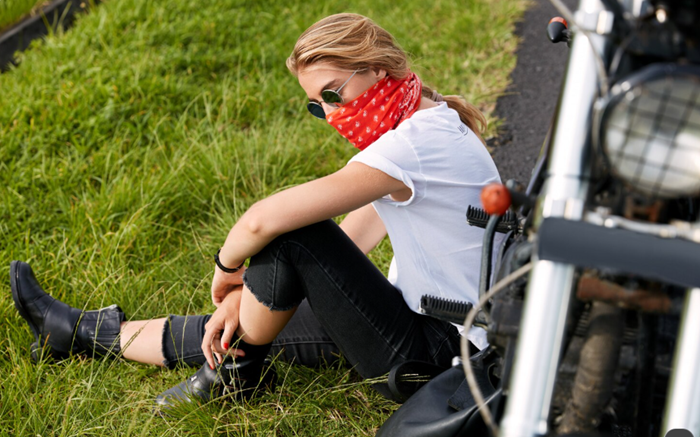
Not all outdoor sporting events have clearly marked parking spots or traffic lanes. At motocross events, it’s common for spectators to arrive in trucks and RVs and park in open fields. If there are faded arrows near parking exits, this can lead to confusion about which direction to drive. Blind corners because of oversized vehicles may cause you to collide with another vehicle or pedestrian. Driving slowly and asking parking attendants for directions are the best ways to avoid accidents in areas that don’t have clear traffic signage.
Conflicts Within Rideshare Pickup Zones
Rideshare pickup spots at large sporting events are hot spots for accidents as drivers and pedestrians try to navigate the congestion. Those with rideshare reservations will often walk through traffic and behind parked vehicles to check license plates to ensure they’re getting in the right car. If you’re not paying attention, you may run into one of these pedestrians. There’s also the issue of everyone carrying bags, coolers, and folding chairs. If someone drops something and you run over it, this can damage your tires or even cause you to lose control of your vehicle.
Pedestrians Crossing Outside Designated Crosswalks
Event attendees will often take the shortest path to their parked vehicle, causing them to walk outside of the designated pedestrian crosswalks and walkways. This is very dangerous, especially when the route requires crossing roads where vehicles are driving at higher speeds. Even if the driver is following the speed limit, they may not anticipate someone stepping out from behind a parked bus or another large vehicle, and they may not have time to stop.