You’ve probably noticed it before. Two concrete structures built around the same time can look completely different just a few years later. One remains strong and relatively unchanged, while the other develops cracks, stains and crumbling surfaces. Considering concrete’s reputation for durability, why does this happen?
Concrete is designed to withstand considerable pressure and environmental exposure, but not every structure experiences the same conditions. Weather, construction quality, moisture and ongoing maintenance all influence how quickly deterioration occurs.
Understanding these factors can help property owners recognise potential problems before expensive repairs become necessary. Preventive measures, including suitable drainage systems and protective concrete coatings, can reduce exposure to damaging conditions. However, lasting protection starts with identifying why deterioration is happening in the first place.
Poor Construction Quality Can Cause Early Problems
The long-term performance of concrete begins with how it’s designed, mixed, poured and cured.
If too much water is added during mixing, the finished concrete may become more porous and less durable. Poor compaction can also leave gaps that weaken the material.
Curing is equally important because concrete needs appropriate moisture and temperature conditions while it develops strength.
When these steps aren’t handled correctly, problems may appear much earlier than expected.
For major construction projects, following approved specifications and appropriate quality control procedures helps reduce the risk of premature deterioration.
Water Is One of Concrete’s Biggest Enemies
Concrete might look completely solid, but it contains tiny pores through which moisture can move.
When water enters these pores, it can contribute to several forms of deterioration.
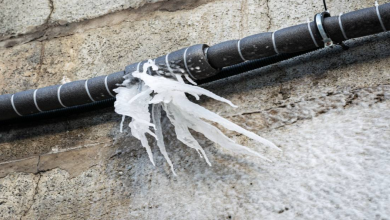
In colder climates, trapped moisture may freeze and expand, placing pressure on the surrounding material.
Repeated freezing and thawing can gradually damage the surface.
Water can also carry dissolved salts and other substances into concrete, potentially affecting embedded steel reinforcement.
Good drainage and appropriate waterproofing measures help limit prolonged moisture exposure.
Corrosion Can Develop Beneath the Surface
Many concrete structures contain steel reinforcement that provides additional strength.
Although concrete normally helps protect this steel, certain conditions can allow corrosion to develop.
Chlorides from road salts or coastal environments may penetrate concrete and reach the reinforcement.
As steel corrodes, the resulting rust occupies more space than the original metal.
This expansion can cause cracking, surface separation and pieces of concrete breaking away.
Warning signs may include:
- Rust-coloured stains on concrete surfaces.
- Cracks running along reinforcement locations.
- Flaking or breaking concrete.
- Exposed steel reinforcement.
- Areas that sound hollow when professionally inspected.
These symptoms deserve assessment, particularly when they appear on load-bearing structures.
Environmental Conditions Make a Difference
Concrete exposed to harsh environmental conditions may deteriorate faster than similar structures in sheltered locations.
For example, bridges and parking structures can experience repeated vehicle loads, moisture and chemical exposure.
Outdoor concrete may also face significant temperature changes, prolonged sunlight and heavy rainfall.
Industrial environments sometimes introduce additional challenges through exposure to chemicals or abrasive materials.
These conditions should be considered when selecting concrete mixes, protective treatments and maintenance programmes.
A material suitable for an indoor floor may not perform equally well in a heavily exposed outdoor structure.
Small Cracks Can Become Bigger Problems
Not every crack indicates serious structural damage.
Some cracking occurs through normal shrinkage or temperature-related movement.
However, cracks can provide pathways for moisture and harmful substances to enter the concrete.
If deterioration continues, the affected area may become more difficult and expensive to repair.
Rather than automatically filling every crack, determine what’s causing it.
Significant, widening or unusual cracks should be assessed by an appropriately qualified professional, especially in structural elements.
Neglecting Maintenance Can Shorten Service Life
Concrete is often described as low maintenance, but that doesn’t mean it requires no attention.
Regular inspections can identify drainage problems, surface damage and developing cracks before they become more serious.
Property owners should keep drainage outlets clear, investigate persistent water pooling and address damaged joints or sealants.
Where appropriate, damaged protective finishes may also need repair or replacement.
The maintenance approach should reflect the structure’s purpose, age and exposure conditions.
Protect Concrete Before Damage Becomes Serious
Concrete deterioration rarely results from one factor alone.
Construction quality, moisture, environmental exposure and maintenance all influence how structures perform over time.
While some ageing is unavoidable, appropriate design, protective measures and timely repairs can help extend service life.
Pay attention to changes in appearance, investigate recurring moisture problems and seek professional advice when structural damage is suspected.
A little attention today can help prevent minor deterioration from developing into a costly problem tomorrow.