
You might be feeling caught in an uncomfortable middle ground right now. Traditional dentures helped you get your smile back, yet they slip when you talk, rub sore spots when you eat, and never quite feel like your own teeth. A trusted Westchester periodontist can offer solutions that feel more secure and natural. You may worry every time you laugh in public, or you find yourself avoiding certain foods because you are afraid your denture will move.end
At the same time, you may have heard about implant supported dentures, and you are not sure if they are worth the cost, the time, or the surgery. That mix of hope and hesitation is very common. You want stability and confidence, but you do not want to make an expensive mistake.
Here is the short version. Implant supported dentures use a few dental implants as anchors, so your denture locks into place instead of just resting on your gums. Compared with traditional dentures, they offer three main advantages. Much better stability and function. Protection of your jawbone and facial shape. And a huge boost in confidence and day to day comfort. Understanding how these work will help you decide if they fit your life, your health, and your budget.
Why Do Traditional Dentures Leave You So Frustrated?
Before talking about benefits, it helps to name what is not working for you now. Traditional full or partial dentures sit on top of your gums. They rely on suction, clips, and sometimes adhesive paste to stay in place. For some people this is fine at first. Over time though, the jawbone under the gums begins to shrink after teeth are removed. This is a natural process called bone resorption.
As the bone shrinks, the denture that once fit starts to feel loose. You may notice it lifting when you eat, clicking when you talk, or rubbing your gums raw. Many people start to use more adhesive, eat only soft foods, or avoid social situations that involve meals. It does not just affect your mouth. It can affect your social life, your nutrition, and even your self esteem.
You might also worry about the long term effect on your face. As bone is lost, the lower face can begin to look “collapsed,” with deeper lines around the mouth and less support for the lips and cheeks. That can make you look older than you feel, even if your denture teeth themselves look white and straight.
So, where does that leave you? You want teeth that feel stable and natural, yet you also have questions about surgery, healing time, and cost.
What Makes Implant Supported Dentures Different?
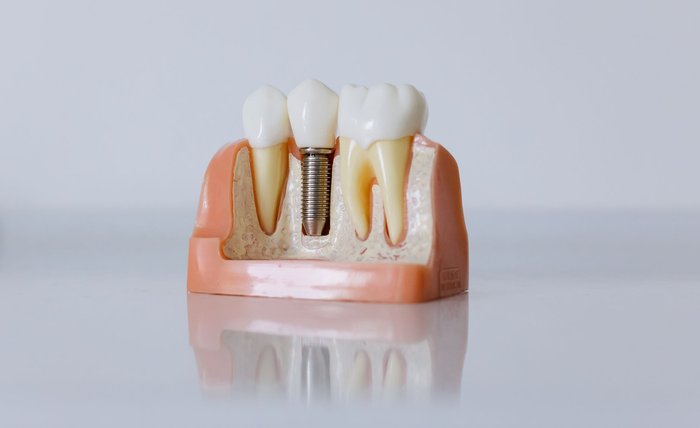
Implant supported dentures use a small number of implants, usually titanium posts, that are placed in the jawbone by a periodontist or implant dentist. After these posts heal and bond with the bone, a denture is designed to attach to them using clips, bars, or special connectors. The denture can still be removed for cleaning, but when it is in place, it locks firmly onto the implants.
This design changes the experience in three key ways, which are the real advantages of this treatment.
Advantage 1: Stability That Lets You Eat, Speak, And Laugh Without Fear
Think about the last time your denture slipped when you were eating with someone else. That tiny moment of panic can stay with you. With an implant retained denture, the implants act like the roots of teeth. They hold the denture in place, so you are not relying on suction or paste.
What does that look like in daily life.
Imagine biting into an apple or a sandwich without worrying that your denture will shift. Picture having a long conversation, or laughing at a joke, without feeling your denture click or lift. Many people find they can eat a wider range of foods again. That can improve nutrition and enjoyment of meals, not just convenience.
Traditional dentures can also affect speech, especially certain sounds that require precise tongue and lip positions. Because implant supported dentures are more secure, speech often becomes clearer and more natural.
If you want more background on how dentures in general work and what their limitations are, you can review this overview from MedlinePlus about types of dentures and their care.
Advantage 2: Protecting Your Jawbone And Facial Shape
When natural teeth are removed, the jawbone no longer gets the same stimulation from chewing. Over time, the body begins to break down that unused bone. This bone loss is the reason traditional dentures loosen and why the lower face can start to look sunken.
Dental implants change that story. Because they sit in the bone and carry chewing forces, they send signals to the body that say, “This bone is still needed.” This helps slow or reduce the bone loss process.
Protecting the bone is not just a technical detail. It helps maintain the shape of your jaw, the support for your lips and cheeks, and the way your face looks from the side. Many people feel that they look more like themselves again after switching to an implant denture solution, because the lower third of the face has better support.
Medical references such as this resource from the National Center for Biotechnology Information on dental implants and bone response explain more about how implants interact with bone, if you are curious about the science behind it.
Advantage 3: Everyday Comfort And Confidence With Less Hassle
Traditional dentures can cause sore spots, especially when bone changes and the fit is no longer ideal. Even with adjustments, you might feel rubbing or pressure by the end of the day. Adhesives can be messy and unpleasant, and some people worry about swallowing them.
Implant supported dentures usually rest more lightly on the gums, because the implants carry most of the force. This often means fewer sore spots and less rubbing. You also do not need heavy adhesive to keep them in place, which many people find to be a major relief.
The emotional side is just as important. When your teeth feel secure, you can focus on the conversation in front of you instead of constantly checking how your denture feels. That quiet, steady confidence is one of the biggest reasons people say they wish they had chosen implants sooner.
How Do Implant Supported Dentures Compare With Traditional Dentures?
You may still be weighing the pros and cons in your mind. It can help to see the differences side by side.
| Factor | Traditional Dentures | Implant Supported Dentures |
| Stability when eating and speaking | Can slip or move, especially over time | Anchored to implants, much more secure |
| Effect on jawbone | No stimulation, bone loss continues | Implants stimulate bone, helps maintain volume |
| Comfort on gums | Pressure on gums, common sore spots | Less pressure on gums, fewer sore areas |
| Use of adhesive | Often needed daily | Usually not needed, or only minimal |
| Chewing ability | Limited for harder or sticky foods | Closer to natural teeth function |
| Initial cost | Lower | Higher due to surgery and implants |
| Long term fit | May need frequent relines and replacements | More stable fit as bone is better preserved |
Seeing these differences, you might still be thinking about the financial side, the surgery, and whether your health allows for implants. Those are very real questions, and they are exactly what a Periodontist And Implant Dentist is trained to help you sort through.
What Can You Do Right Now To Move Forward With Clarity?
You do not have to decide today, but you can take a few simple steps that will make the decision less stressful and more informed.
- Get a thorough evaluation of your gums and bone
Schedule a consultation with a periodontist or implant focused dentist. Ask for a full exam that includes X rays or a 3D scan. This will show how much bone you have, whether your gums are healthy enough for implants, and what type of implant supported denture design would work best for you. Bring a list of your current problems with your denture so nothing gets overlooked.
- Ask for a clear, written treatment and cost plan
During your visit, request a step by step plan, including how many implants are recommended, how long healing will take, temporary options during treatment, and all estimated costs. Also ask about payment plans, insurance benefits, and timing. Seeing everything on paper can lower anxiety and help you compare this option with staying in traditional dentures.
- Talk to people who have already made the switch
If possible, ask your provider if any patients are willing to share their experiences, or look for honest reviews and testimonials. Hearing how someone else managed their fears, the surgery, and the healing period can make the process feel more real and less frightening. Notice the small things they mention, like eating in public again or not needing adhesive in the morning. Those details often matter more than the technical terms.
Finding A Path That Fits Your Life
You may have lived with slipping dentures, sore gums, and quiet embarrassment for longer than you like to admit. That does not mean you have to stay there. Understanding these three key advantages of implant supported dentures gives you a clearer picture of what is possible. More stability. Better protection for your jaw and facial shape. And a daily life that feels easier and more confident.
The next step is not to commit to surgery. It is simply to have an honest, detailed conversation with a trusted periodontist or implant dentist who can look at your mouth, listen to your goals, and help you weigh your options. You deserve teeth that let you eat, speak, and smile without constant worry, and you are allowed to ask every question you need until you feel ready.