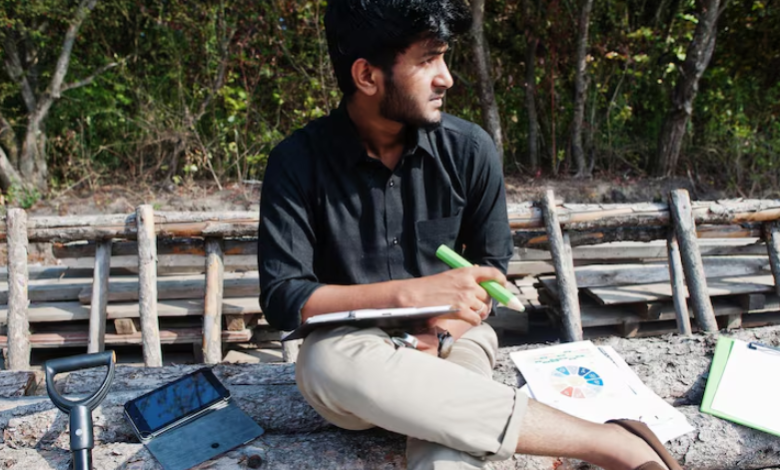
Adithan Arunachalam is a high-achieving student from Chennai, India, with a strong academic background in history, economics, and global affairs. Adithan Arunachalam earned both the Cambridge International Certificate of Education with Distinction and an International Baccalaureate Diploma, alongside exceptional standardized test scores. During his time at KC High, he co-founded and co-led the school’s Debate and Current Affairs Club, organizing discussions on global issues and teaching structured argumentation. His experience in debate, combined with his academic interest in history and political science, connects closely to topics such as how media shapes the narrative of civil disobedience movements. Through analyzing public discourse and communication, he has engaged with how information is presented, interpreted, and debated in modern society.
Examining How Media Shapes Civil Disobedience Narratives
Media coverage is an important aspect of how policymakers, the public, and participants understand civil disobedience movements. Media like televisions, broadcasts, and social media determine the way information gets framed. The media does more than report events; it impacts legitimacy, shapes narratives, and determines the ethical and political contexts within which some of these movements operate.
Framing is one of the key tools that the media uses to shape public perception. With this process, journalists and outlets emphasize certain aspects of a story while downplaying or giving little to no attention to others. Oftentimes, the language used, the voices that get amplified, and the images all point to a bigger narrative about what the movement represents and why it is important.
Photo essays and narrative descriptions play an important role in framing. Choosing the specific movements to capture and how to capture them highlights how photojournalism humanizes protesters while presenting their actions as noble or unique. Conversely, media that prioritize the legal consequences or highlight disruptions to public order may create a negative narrative, depicting activists as reckless or unlawful.
Media coverage also amplifies the visibility of civil disobedience movements. While mainstream outlets cover protests extensively, viewers and readers gain insight into the issues at hand. This level of visibility may attract new protesters or supporters. It can also attract new supporters and influence public opinion.
Further, movements with visual elements like symbols, striking actions, or banners usually receive more attention during coverage . Social media further helps to amplify these visuals when they eventually go viral. The quick pace of the modern news cycle makes it quite easy for protests or civil disobedience movements to strategize.
In today’s fast-moving news cycle, protests can gain worldwide attention within hours, sparking global conversations. While this rapid coverage helps raise awareness, it often reduces complex movements to simple sound bites. The motivations, ethical considerations, and strategic decisions behind civil disobedience are sometimes lost in brief headlines, which can distort public understanding of the issues at stake.
Media coverage also reflects selection bias, as outlets often prioritize stories they believe will attract the most attention. Large or disruptive protests in major cities tend to dominate headlines, while smaller, peaceful, or routine actions may receive little coverage. This dynamic can unintentionally influence how movements evolve, encouraging activists to adopt more dramatic tactics to gain visibility. At the same time, marginalized voices within movements—such as low-income participants or minority spokespeople—may receive less attention, shaping which perspectives dominate the narrative.
The tone of reporting plays a critical role in shaping public perception. Positive coverage highlights activists as principled and courageous, emphasizing moral urgency and human stories. Negative coverage focuses on arrests, disruptions, or conflicts with authorities, which can lead audiences to view movements with skepticism or hostility. Neutral reporting seeks to provide facts without strong emotional framing, giving the public space to form their own opinions, though this balanced approach is less common in practice.
Together, selection choices and tone influence not only public opinion but also how movements are perceived by policymakers and society at large. Media can amplify voices and legitimize civil disobedience, or it can reduce complex social actions to controversy and spectacle. Understanding these dynamics helps audiences engage more thoughtfully with social movements and appreciate the deeper motivations behind protest actions.
About Adithan Arunachalam
Adithan Arunachalam is a Chennai-based student with a strong academic record and interests in debate, history, and political science. He earned distinctions in both the Cambridge IGCSE program and the International Baccalaureate Diploma, along with high SAT scores. He co-founded and co-led his school’s Debate and Current Affairs Club and participated in global competitions such as the World Scholars Cup. He also holds a Google IT Support Professional Certificate and has experience in programming with Python and Java.